

How do you prevent fires when using space heaters?
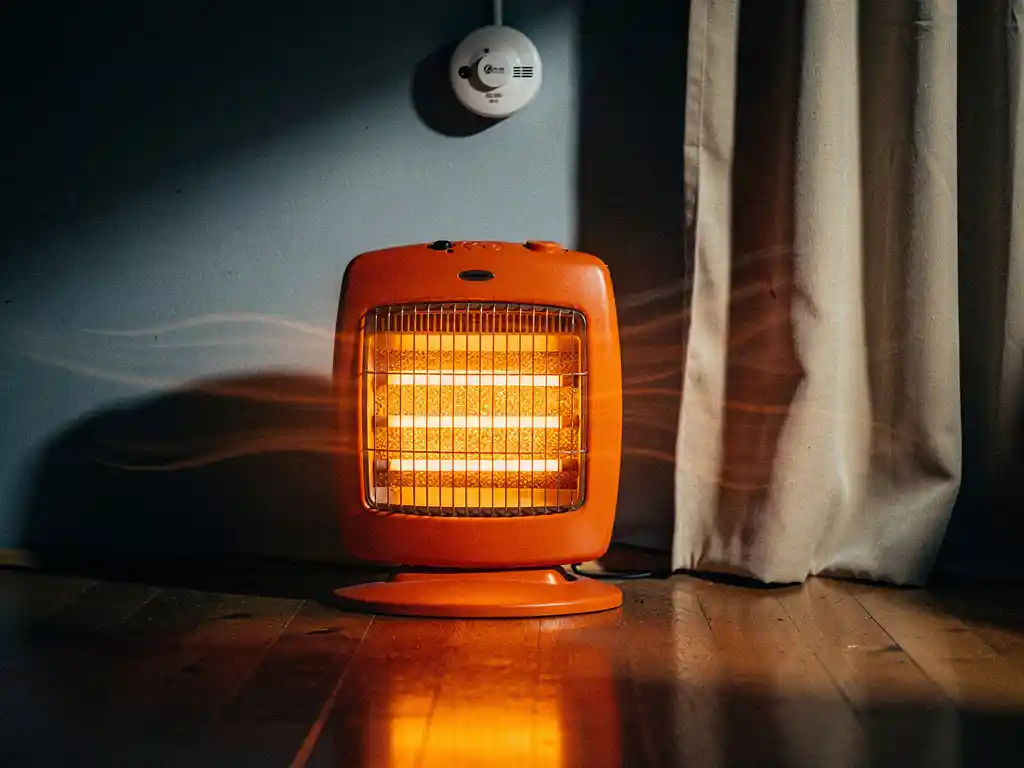
Space heater fires are preventable when you follow a few consistent safety rules: keep the heater away from flammable materials, never leave it running unattended, plug it directly into a wall outlet, and choose a model with built-in safety features like tip-over protection and automatic shutoff. These precautions apply to any portable electric space heater used in a home, office, or commercial setting. The sections below cover the most common space heater fire hazards and how to address them.
What makes space heaters a fire hazard?
Space heaters are a fire hazard because they generate intense, concentrated heat in a small area and are often used near combustible materials, on unstable surfaces, or with inadequate electrical infrastructure. Unlike central heating systems, portable space heaters are frequently moved, misplaced, or left running without supervision, which significantly increases the risk of ignition.
The core fire risk comes from a combination of factors. Most space heaters draw between 750 and 1,500 watts of power, which produces enough radiant or convective heat to ignite nearby textiles, paper, or furniture within minutes if clearance is insufficient. Electrical faults, including overloaded circuits and damaged power cords, are another leading cause of space heater fires.
Older or low-quality heaters may also lack the automatic shutoff mechanisms that modern units include as standard. Without these safeguards, a heater that tips over, overheats, or is left running for extended periods can become a serious ignition source. Understanding these specific space heater fire hazards is the first step toward preventing them.
How far should a space heater be from flammable materials?
A space heater should be kept at least one meter, or roughly three feet, from any flammable materials. This includes curtains, bedding, upholstered furniture, rugs, clothing, paper, and wooden surfaces. The one-meter clearance rule applies on all sides of the heater, not just in front of the heating element.
This distance is not arbitrary. Radiant heaters in particular emit infrared heat that can raise the surface temperature of nearby materials well above their ignition threshold, even without direct contact. Convective heaters, which circulate warm air, carry a lower but still real risk if airflow is blocked by objects placed too close.
In practice, the safest placement for a space heater is on a hard, flat, non-combustible floor surface in the center of a room, away from high-traffic areas where it might be knocked over. Avoid placing heaters on carpets, rugs, or elevated surfaces where stability is reduced and heat transfer to the surface below can occur.
What safety features should you look for in a space heater?
When choosing a space heater, prioritize models with tip-over protection, overheat protection, and a cool-touch exterior. These three features address the most common causes of space heater fires and are widely available across modern heater models at most price points.
Here is what each feature does and why it matters:
- Tip-over protection: Automatically cuts power if the heater falls or is knocked over, preventing the heating element from igniting the floor surface or nearby materials.
- Overheat protection: Shuts the unit down if internal components exceed a safe temperature threshold, protecting against prolonged use or blocked airflow.
- Cool-touch exterior: Reduces the risk of burns and prevents the outer casing from transferring enough heat to ignite contact surfaces.
- Thermostat control: Allows the heater to cycle on and off to maintain a set temperature, reducing continuous operation time and overall heat output.
- Timer function: Lets you schedule automatic shutoff, which is particularly useful if you tend to fall asleep or leave a room with the heater still running.
Look for certification marks from recognized testing organizations, as these confirm the product has been evaluated against established electrical and fire safety standards. Certified products reduce the likelihood of manufacturing defects that could cause electrical faults.
Should you leave a space heater on overnight or unattended?
No, you should not leave a space heater on overnight or unattended. Even heaters with modern safety features carry a residual fire risk when no one is present to respond to a malfunction, a tip-over, or a nearby object that has shifted too close to the heat source. The risk increases significantly during sleep when response time is zero.
Fire safety guidance consistently recommends turning space heaters off before leaving a room or going to sleep. This applies regardless of the heater’s age, quality, or safety certifications. The safest approach is to use a space heater only as a supplemental heat source while you are actively present in the room.
If you rely on a space heater for warmth during the night, consider using a programmable model with a timer that switches the unit off after a set period, such as 30 to 60 minutes after you fall asleep. This reduces overnight exposure without requiring you to remember to turn it off manually. For longer-term heating needs, a fixed heating solution is a safer and more energy-efficient alternative.
What electrical mistakes cause space heater fires?
The most common electrical mistake that causes space heater fires is plugging the heater into an extension cord or power strip rather than directly into a wall outlet. Space heaters draw high current loads that extension cords and multi-socket strips are typically not rated to handle safely, leading to overheating, melting insulation, and potential ignition.
Additional electrical mistakes that increase space heater fire risk include:
- Using a damaged cord: Frayed, kinked, or pinched power cords create resistance points that generate heat and can arc, igniting surrounding materials.
- Overloading a circuit: Running a space heater on the same circuit as other high-draw appliances can trip breakers or, in older wiring systems, cause sustained overloading that heats wiring inside walls.
- Using an undersized outlet: Two-prong ungrounded outlets are not appropriate for modern three-prong heaters. Adapters that bypass the grounding pin reduce electrical protection.
- Running cords under rugs or furniture: Covering a power cord traps heat and prevents inspection for damage, increasing the risk of insulation failure over time.
Always plug a space heater directly into a dedicated wall outlet and inspect the cord before each use. If the outlet feels warm, the plug is discolored, or the circuit breaker trips repeatedly, stop using the heater and have the electrical system inspected.
How can early fire detection limit damage from a space heater fire?
Early fire detection limits damage from a space heater fire by identifying smoke or heat at the earliest stage of combustion, before open flames develop and before fire spreads to surrounding materials. A few seconds of warning can mean the difference between a contained incident and a serious structural fire with significant equipment or property loss.
Standard smoke alarms in most homes and offices detect smoke only after it has reached a certain density in open air, which typically means a fire has already been burning for some time. Aspirating smoke detection systems, by contrast, actively draw air samples through a detection unit and can identify combustion particles at much lower concentrations, often before visible smoke is present.
In commercial and industrial settings where space heaters are used near sensitive equipment, server rooms, or electrical cabinets, early detection is especially valuable. A fire that starts near a switchgear cabinet or ICT enclosure can cause irreversible damage to hardware within minutes. Combining early detection with an automatic suppression response reduces both the damage window and the need for human intervention.
How ExxFire helps protect against space heater fire risk
ExxFire’s integrated fire detection and suppression systems are designed for exactly the environments where a space heater fire can cause the most damage: enclosed equipment spaces, server rooms, electrical cabinets, and high-value infrastructure. The systems combine aspirating smoke detection with non-pressurized nitrogen gas suppression, activating automatically the moment early-stage combustion is detected.
Key features of ExxFire’s approach include:
- Aspirating smoke detection: Actively samples air to detect smoke at concentrations far below what standard detectors register, providing the earliest possible warning.
- Non-pressurized nitrogen suppression: Suppresses fire using inert gas that leaves no chemical residue, protecting sensitive electronics and components from secondary damage.
- Pre-engineered for easy installation: Systems are self-installable without special certification, reducing setup time and cost.
- Integration with existing fire panels: Built-in relays allow the system to report status to an existing fire safety infrastructure, ensuring a coordinated response.
- PFAS-free and environmentally responsible: No harmful chemical agents, making it a sustainable alternative to legacy suppression systems.
Whether you are protecting a data center, a battery energy storage system, or a critical switchgear cabinet, ExxFire’s certified technology ensures that fire is detected and suppressed before it causes lasting damage. Contact ExxFire to discuss the right fire detection and suppression solution for your facility.