
How does fire risk vary between urban and rural properties?
Rural properties face 2–4x longer fire response times. Discover what that means for commercial fire risk.


Rural properties face 2–4x longer fire response times. Discover what that means for commercial fire risk.
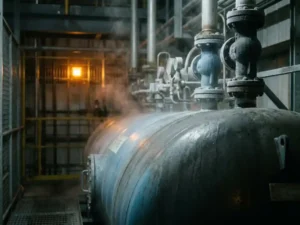
Hydrogen burns invisibly and ignites at just 4% concentration — here's what that means for energy system safety.
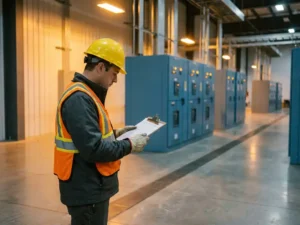
Fire risk assessment is the legal foundation of building compliance — here's exactly what it covers and why it matters.

Electrical faults, arson, and flammable stock make retail stores highly vulnerable — here's what every retailer must know.
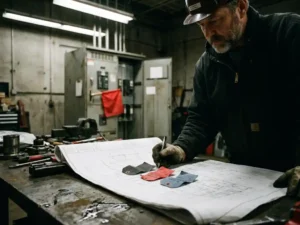
Prioritise fire risks strategically — protect mission-critical assets first before budget runs out.
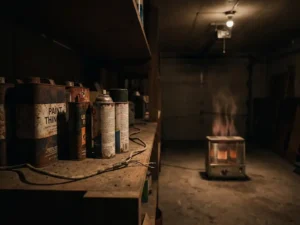
Petrol, acetone, and paint thinners can ignite from a single spark — here's what every homeowner must know.
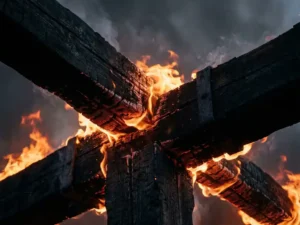
Wood ignites at just 250°C — discover why timber buildings burn faster and what facility managers must do.

One fire incident can shut down operations for weeks — discover what truly effective workplace fire risk prevention looks like.
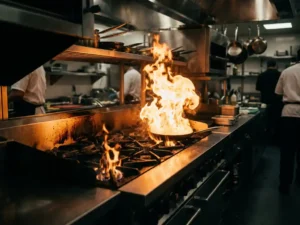
Grease, heat, and electrical faults make commercial kitchens among the highest fire-risk workplaces — here's what operators must know.
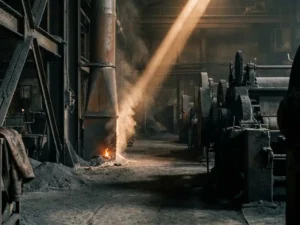
Combustible dust is a hidden industrial fire hazard — discover the risks, warning signs, and suppression solutions that protect your facility.