

What fire suppression agents have the lowest environmental impact?
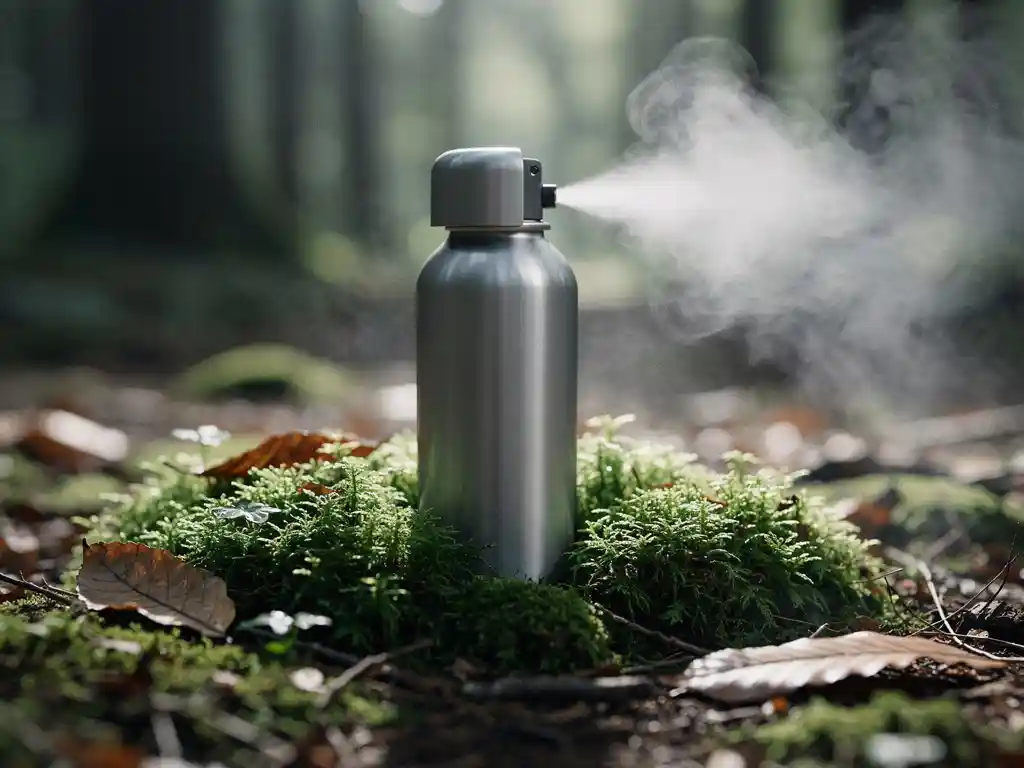
The fire suppression agents with the lowest environmental impact are inert gases, particularly nitrogen. Unlike chemical-based agents, inert gases occur naturally in the atmosphere, leave no toxic residues, and carry no global warming potential or ozone depletion risk. For businesses protecting sensitive equipment, nitrogen-based suppression stands out as both the cleanest and most effective option available in 2026. This article walks through the key questions surrounding suppression agent selection, from the most harmful options to practical guidance on switching to greener alternatives.
Which fire suppression agents are considered most harmful to the environment?
The most environmentally harmful fire suppression agents are halon gases and PFAS-containing foam agents. Halon is a potent ozone-depleting substance, and its production has been banned under the Montreal Protocol since the 1990s. PFAS-based foams, widely used in industrial and aviation fire suppression, are persistent environmental contaminants that accumulate in soil, water, and living organisms.
Beyond halon and PFAS foams, some hydrofluorocarbon (HFC) clean agents carry significant global warming potential (GWP). While they do not deplete the ozone layer, their atmospheric persistence means a single discharge can have a long-term climate impact disproportionate to the volume released. Many of these agents are now subject to phase-down regulations in the European Union and other jurisdictions.
PFAS-containing aqueous film-forming foam (AFFF) deserves particular attention. Widely used for decades in fuel fire scenarios, AFFF has left lasting contamination at military bases, airports, and industrial sites around the world. Regulatory pressure is mounting globally, with several countries moving toward outright bans on PFAS-containing suppression agents in non-essential applications.
What makes an inert gas a low-impact fire suppression option?
Inert gases are low-impact fire suppression agents because they are naturally occurring components of the atmosphere, carrying zero ozone depletion potential and zero global warming potential. They work by reducing the oxygen concentration in a protected space below the threshold needed to sustain combustion, without introducing any foreign chemical compounds into the environment.
When an inert gas suppression system discharges, it releases a gas that already exists in the air around us. Nitrogen, for example, makes up approximately 78% of the Earth’s atmosphere. After a discharge, the gas simply disperses into the surrounding air with no lasting chemical footprint. There is no cleanup required, no soil contamination risk, and no need for specialist disposal.
From an operational standpoint, inert gases also leave no residue on the equipment they protect. This is particularly valuable in environments with sensitive electronics, where chemical agents can cause secondary damage even after the fire itself has been extinguished. The combination of zero environmental impact and zero collateral damage makes inert gas suppression a compelling choice for both sustainability and asset protection goals.
How does nitrogen compare to CO2 and halon as a suppression agent?
Nitrogen is the most environmentally benign of the three. CO2 is a greenhouse gas with a significant global warming potential when released in large quantities, and halon is an ozone-depleting substance now banned for new installations. Nitrogen, by contrast, is inert, non-toxic at the concentrations used for suppression within enclosed equipment, and causes no atmospheric harm.
Nitrogen vs. CO2
CO2 suppression systems work by displacing oxygen and are effective, but CO2 is a recognized greenhouse gas. Large-scale discharges in total flooding applications release meaningful volumes into the atmosphere. CO2 also poses a significant safety risk to personnel in enclosed spaces, requiring strict lockout and evacuation procedures. Nitrogen, used in localized object-level suppression within closed enclosures, avoids both the greenhouse gas concern and the personnel safety complications that come with CO2 flooding.
Nitrogen vs. halon
Halon was once considered the gold standard for clean agent suppression because it extinguishes fire rapidly and leaves no residue. However, its ozone depletion potential is severe, and its production and import have been prohibited in most countries for decades. Existing halon systems are increasingly costly to maintain as the remaining stockpiles shrink. Nitrogen offers comparable residue-free performance with none of the regulatory or environmental liability that halon carries.
What is PFAS contamination and why does it matter for fire suppression?
PFAS (per- and polyfluoroalkyl substances) are a group of synthetic chemicals used in many industrial applications, including fire suppression foams. They are known as “forever chemicals” because they do not break down naturally in the environment. In fire suppression, PFAS contamination matters because foam-based agents containing these substances can leach into groundwater, soil, and ecosystems, causing long-term harm to human health and biodiversity.
The link between PFAS-containing suppression agents and environmental damage is well established. Sites where AFFF foam has been used repeatedly, such as fire training grounds and industrial facilities, have shown elevated PFAS levels in surrounding soil and water sources. Regulatory agencies in the EU, US, and beyond are tightening restrictions on PFAS use, with some categories of fire suppression foam already facing bans or strict usage limits.
For businesses, PFAS contamination is not just an environmental concern but a legal and financial one. Organizations found to have caused PFAS contamination face significant remediation costs and potential liability. Switching to PFAS-free suppression agents is increasingly seen not just as an ethical choice but as a risk management imperative.
Which suppression agents are approved as PFAS-free alternatives?
The main PFAS-free fire suppression alternatives are inert gases (nitrogen, argon, and mixed inert gas blends), CO2, water mist systems, and fluorine-free foam (F3) agents. Among these, inert gases are the most environmentally clean, carrying no chemical residues and no atmospheric harm beyond the displacement of oxygen during discharge.
Fluorine-free foams have emerged as a direct replacement for AFFF in scenarios where foam is operationally necessary, such as large-scale fuel fire suppression. These formulations avoid the persistent fluorinated compounds found in AFFF while maintaining acceptable fire suppression performance in their target applications.
For the protection of enclosed equipment such as electrical cabinets, server racks, battery energy storage systems, and switchgear, inert gas suppression is the most appropriate PFAS-free solution. It combines clean chemistry with targeted, object-level protection, making it well suited to environments where both environmental compliance and equipment preservation are priorities.
Should businesses replace existing suppression systems with greener agents?
Yes, businesses should actively evaluate replacing suppression systems that use halon, HFC-based clean agents, or PFAS-containing foam with greener alternatives. Regulatory timelines are tightening, legacy agent stockpiles are diminishing, and the reputational and legal risks associated with environmentally harmful agents are growing. Acting proactively is less disruptive and less costly than waiting for a forced compliance deadline.
The business case for switching goes beyond regulatory compliance. Greener suppression agents, particularly inert gases, typically require lower maintenance, produce no secondary damage to protected equipment, and simplify post-incident recovery. For organizations with sustainability reporting obligations, eliminating PFAS-containing or high-GWP agents from their fire safety infrastructure directly supports environmental, social, and governance (ESG) commitments.
The transition does not need to be disruptive. Many modern inert gas suppression systems are designed for straightforward installation within existing infrastructure, with compatibility built in for connection to current fire alarm panels. Businesses should prioritize replacement in environments where equipment value is high, downtime is costly, and the existing system relies on agents now facing regulatory restrictions.
How ExxFire supports eco-friendly fire suppression
ExxFire’s integrated fire detection and suppression systems are built around non-pressurized nitrogen gas, making them one of the most environmentally responsible suppression solutions available for enclosed equipment protection. For businesses looking to replace PFAS-containing or high-GWP systems with a certified, sustainable alternative, ExxFire’s technology delivers on every key criterion:
- Zero PFAS, zero chemical residue: Nitrogen leaves no contamination on equipment or in the environment after discharge.
- No ozone depletion, no global warming potential: Nitrogen is an inert, naturally occurring gas with no atmospheric harm.
- Targeted object-level protection: Systems protect closed enclosures such as server racks, switchgear cabinets, and battery energy storage systems up to 4.5 m³, with units interconnectable for larger volumes.
- Early smoke detection integrated: Aspirating smoke detection triggers suppression before a fire develops, minimizing damage and downtime.
- Easy self-installation, low maintenance: Pre-engineered systems require no special certification to install and connect seamlessly to existing fire panels via built-in relays.
- Independently certified: Tested and validated by CNPP France and DMT (TÜV Nord), providing documented compliance assurance.
If your organization is evaluating a move to PFAS-free fire suppression or looking to protect high-value equipment with a clean, certified, and sustainable solution, contact ExxFire to discuss the right system for your environment.
Related Articles
- What are the biggest fire risks in an office environment?
- How do you maintain compliance with fire safety standards over time?
- What are the fire protection requirements for outdoor electrical enclosures?
- How do inert gas systems perform compared to FM-200 in fire suppression?
- What happens to fire suppression agents after discharge?