

What is the fire triangle and why is it important for fire prevention?
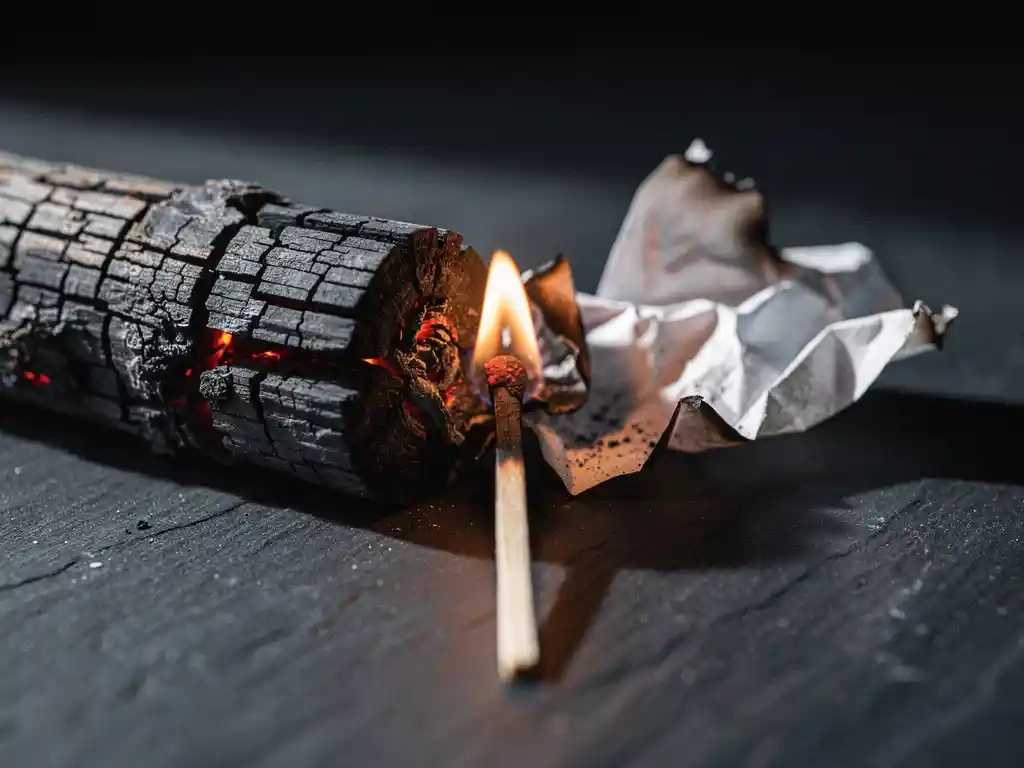
The fire triangle is a foundational model in fire science that identifies the three elements required for fire to ignite and sustain: oxygen, fuel, and heat. Remove any one of these three elements, and combustion cannot occur or will cease. Understanding this model is essential for anyone responsible for fire prevention, safety planning, or protecting critical equipment from fire damage. The sections below unpack each element, explain how the model applies in practice, and address the most common questions surrounding fire prevention and suppression.
What are the three elements of the fire triangle?
The three elements of the fire triangle are oxygen, fuel, and heat. These three components must be present simultaneously and in the right proportions for fire to ignite and continue burning. The fire triangle is a visual representation of this dependency, with each side of the triangle representing one element.
- Oxygen: Fire requires oxygen to sustain the chemical reaction of combustion. In most environments, the surrounding air provides sufficient oxygen. Combustion typically requires an oxygen concentration of at least 16%, with normal air containing around 21%.
- Fuel: Fuel is any combustible material that can be oxidized during burning. This includes solids such as wood and paper, liquids such as oil and solvents, and gases such as propane or methane. In electrical environments, insulation materials, plastics, and cabling all serve as potential fuel sources.
- Heat: Heat is the energy source that raises a material to its ignition temperature. Once a fire starts, it generates its own heat, which sustains and spreads combustion to nearby fuel sources.
All three elements are interdependent. A pile of wood in the absence of oxygen will not burn. An open flame without fuel will extinguish itself. Heat alone, without a combustible material present, produces no fire. This interdependency is precisely what makes the fire triangle such a practical framework for fire prevention and suppression strategies.
How does removing one side of the fire triangle extinguish a fire?
Removing any single element of the fire triangle breaks the combustion cycle and extinguishes the fire. Each suppression method targets one of the three sides: cooling removes heat, smothering removes oxygen, and fuel removal eliminates the combustible source. Most fire suppression systems are designed around at least one of these mechanisms.
Water-based suppression systems work primarily by cooling, absorbing heat rapidly from burning materials to bring their temperature below the ignition threshold. Foam systems smother a fire by forming a barrier between fuel and oxygen. CO2 and inert gas systems displace oxygen within an enclosed space, starving the fire of the oxidizer it needs to continue burning.
Fuel removal is the least common suppression method in practice, but it plays an important role in prevention. Keeping combustible materials away from heat sources, clearing debris near electrical panels, and using fire-resistant materials in construction all reduce available fuel before ignition occurs.
Understanding which side of the fire triangle a suppression system targets is critical when selecting the right solution for a specific environment. In enclosed electrical cabinets or server racks, for example, water-based suppression is unsuitable because it would damage the equipment. Inert gas suppression, which removes oxygen without leaving residue, is far more appropriate in those contexts.
What is the difference between the fire triangle and the fire tetrahedron?
The fire tetrahedron is an expanded version of the fire triangle that adds a fourth element: the chemical chain reaction. While the fire triangle identifies oxygen, fuel, and heat as necessary conditions for fire, the fire tetrahedron recognizes that combustion also involves a self-sustaining chemical reaction that must be interrupted to fully extinguish certain fires.
The fire triangle is sufficient to explain most common fires and suppression methods. However, it does not fully account for why some chemical fires are difficult to extinguish even when one of the three classic elements is reduced. The chain reaction element explains why certain suppression agents, such as halon or dry chemical powders, are effective: they chemically interrupt the combustion process rather than simply removing heat, fuel, or oxygen.
In practical fire safety planning, the fire triangle remains the dominant model for education and basic suppression strategy. The fire tetrahedron is more relevant in specialized contexts, such as aviation fire suppression, chemical plant safety, or the design of clean agent suppression systems. For most industrial and commercial environments, the fire triangle provides a fully adequate framework for understanding ignition risk and suppression requirements.
What types of fires correspond to different fuel sources?
Fire classification systems categorize fires based on the type of fuel involved, because different fuel sources require different suppression approaches. Using the wrong suppression agent on a fire can be ineffective or actively dangerous.
- Class A fires involve ordinary solid combustibles such as wood, paper, textiles, and plastics. These are the most common fire type and are typically extinguished with water or foam.
- Class B fires involve flammable liquids such as petrol, oil, paint, and solvents. Foam, CO2, and dry powder agents are appropriate here; water is not.
- Class C fires involve flammable gases such as propane or natural gas. These fires are best controlled by shutting off the gas supply rather than applying suppression agents.
- Class D fires involve combustible metals such as magnesium, lithium, or sodium. These require specialist dry powder agents and are common in battery and chemical manufacturing environments.
- Class F fires involve cooking oils and fats at high temperatures. Wet chemical agents are used in commercial kitchen environments.
- Electrical fires (Class E in some systems) involve energized electrical equipment. Non-conductive suppression agents such as CO2 or inert gases are required; water must never be used.
In environments where battery energy storage systems are present, fire risk often spans multiple classes. Lithium-ion batteries, for instance, can produce their own oxygen during thermal runaway, which means traditional oxygen-displacement methods may be insufficient on their own. Early detection and rapid suppression at the source are therefore critical in battery environments.
How does the fire triangle apply to protecting electrical equipment?
Protecting electrical equipment from fire means addressing all three sides of the fire triangle within the specific conditions of an enclosed, energized environment. Electrical enclosures such as switchgear cabinets, server racks, and battery storage units contain all three fire triangle elements: electrical faults or overheating provide heat, insulation and cabling provide fuel, and the air inside the enclosure provides oxygen.
Because electrical equipment must remain energized during operation, removing the heat source through design (such as proper load management and cooling) is the first line of defense. However, faults, short circuits, and component failures can generate heat unpredictably, making suppression a necessary backup layer.
Suppression systems for electrical enclosures must target oxygen or the chemical chain reaction without introducing conductive or corrosive agents. Water and foam are excluded because they would destroy the equipment they are meant to protect. Inert gases such as nitrogen are particularly well-suited: they displace oxygen within the enclosure, extinguishing the fire without leaving any chemical residue that could damage sensitive electronics.
Early smoke detection is equally important in this context. Electrical fires in enclosed cabinets often begin with slow smoldering, producing smoke well before visible flame appears. Aspirating smoke detection systems that continuously sample air within the enclosure can identify combustion products at the earliest possible stage, triggering suppression before significant damage occurs. This early-intervention approach directly reflects the fire triangle logic: interrupt the fire cycle before it is fully established.
What are the most effective fire prevention strategies based on the fire triangle?
The most effective fire prevention strategies are built around systematically reducing or controlling one or more elements of the fire triangle before ignition occurs. Prevention is always preferable to suppression, and the fire triangle provides a clear framework for identifying where preventive measures should be applied.
Controlling heat sources
Regular maintenance and inspection of electrical systems, machinery, and heating equipment reduces the risk of uncontrolled heat generation. Thermal imaging surveys can identify hotspots in electrical panels before they reach ignition temperatures. Proper ventilation and cooling in server rooms and battery enclosures prevent heat accumulation that could trigger a fire.
Managing fuel loads
Reducing combustible materials in high-risk areas limits the fuel available to a developing fire. This includes using fire-retardant materials in construction, organizing cable management to reduce insulation density, storing flammable substances in appropriate containers away from heat sources, and conducting regular housekeeping to eliminate accumulated debris near electrical equipment.
Limiting oxygen availability
In enclosed, high-risk environments, oxygen reduction systems can maintain a low-oxygen atmosphere that prevents ignition without being harmful to humans at certain concentration levels. For unmanned or equipment-only enclosures, inert gas suppression systems can displace oxygen entirely upon detection of smoke or fire, providing a highly effective last line of defense.
Combining all three approaches produces a layered fire safety strategy. Detection systems provide early warning, preventive measures reduce ignition probability, and suppression systems act as a safety net when prevention alone is insufficient. Organizations managing mission-critical equipment should treat the fire triangle not as a theoretical model but as a practical checklist for evaluating risk at every stage of their fire safety planning.
How ExxFire helps protect critical equipment using fire triangle principles
ExxFire’s integrated fire detection and suppression systems are engineered around the core principle of the fire triangle: eliminating oxygen within the protected enclosure before fire can establish itself. Designed specifically for closed environments such as server racks, switchgear cabinets, battery energy storage systems, and high-voltage enclosures, ExxFire’s systems act at the earliest stage of the combustion cycle.
- Aspirating smoke detection continuously samples air inside the enclosure, identifying combustion particles at the pre-ignition stage, before visible flame or significant heat has developed.
- Non-pressurized nitrogen gas suppression displaces oxygen within the enclosure upon detection, extinguishing the fire without leaving chemical residue that could damage sensitive electronics or components.
- Patented Cool Gas Generator technology stores nitrogen in a solid, non-pressurized state, eliminating the safety risks and maintenance requirements associated with pressurized gas cylinders.
- PFAS-free suppression ensures full compliance with tightening environmental regulations, replacing legacy chemical agents with a clean, inert alternative.
- Easy self-installation without specialist certification, with built-in relays for integration into existing fire safety infrastructure.
- Tested and certified by CNPP France and DMT Dortmund (TÜV Nord), providing verified performance assurance for compliance-driven organizations.
For organizations looking to apply fire triangle principles in a concrete, certified, and sustainable suppression solution, ExxFire offers a purpose-built answer. Contact ExxFire today to discuss which system configuration is right for your environment.
Related Articles
- How do you document fire suppression compliance for an audit?
- How do children accidentally cause fires and how can parents prevent them?
- How do you create a fire prevention plan at home?
- How does ESG compliance affect fire protection decisions in 2026?
- How does green fire protection align with EU taxonomy requirements?