

How do you create a fire prevention plan at home?
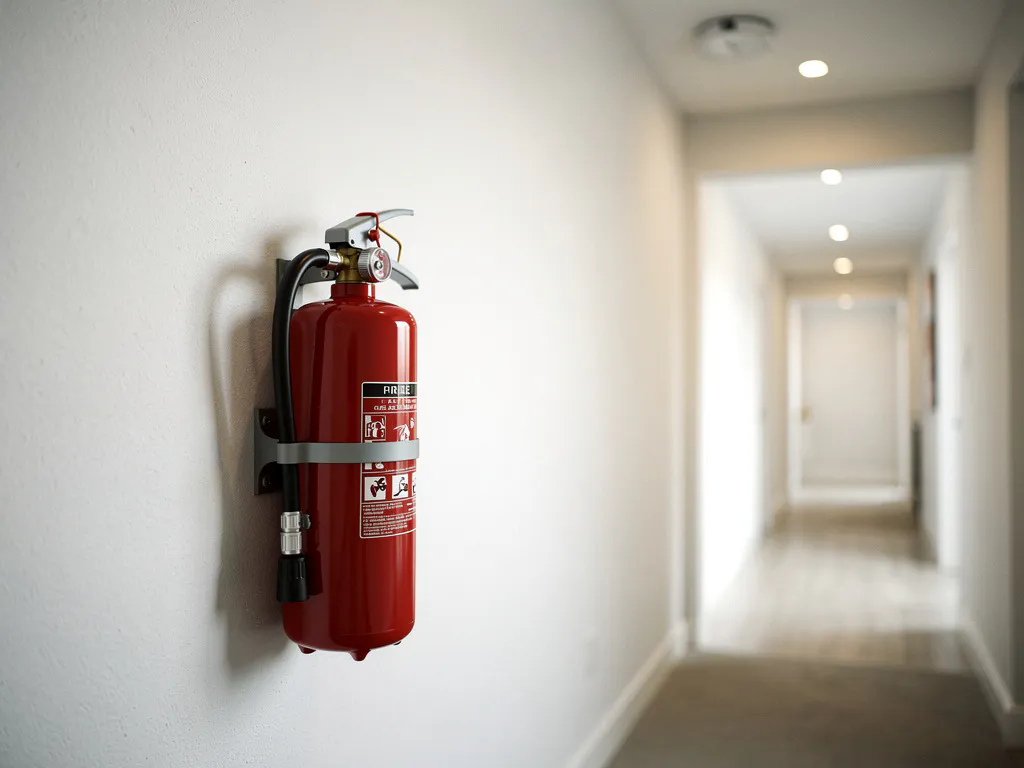
A home fire prevention plan starts with identifying hazards, installing detection equipment, and establishing a clear escape route for every member of your household. Every home needs one because residential fires can spread rapidly, and preparation is the single most effective way to reduce injury, death, and property loss. The sections below walk through each key component, from spotting risks to reviewing your plan regularly.
What should a home fire prevention plan include?
A home fire prevention plan should include a hazard audit of your living space, working smoke detectors on every level, a mapped escape route with a designated meeting point outside, and assigned responsibilities for each household member. It is a living document, not a one-time checklist, and it covers both prevention and response.
Think of the plan in two layers. The first layer is prevention: reducing the conditions that allow a fire to start. This means safe storage of flammable materials, regular appliance maintenance, and good habits around cooking, candles, and electrical equipment. The second layer is response: knowing exactly what to do when a fire starts, including how to alert others, how to exit safely, and where to gather once outside.
A complete fire safety plan at home typically covers the following elements:
- A room-by-room hazard inventory
- Smoke detector and carbon monoxide detector locations and test schedules
- A floor plan sketch showing at least two exit routes from every room
- A designated outdoor meeting point
- Emergency contact numbers accessible to all household members
- Assigned roles for children, elderly residents, or anyone with mobility needs
- A fire extinguisher in the kitchen and its maintenance schedule
What are the most common fire hazards in a home?
The most common fire hazards at home are cooking equipment, electrical faults, heating appliances, candles, and smoking materials. Cooking is the leading cause of residential fires in most countries, typically due to unattended stovetops or grease ignition. Electrical hazards, including overloaded sockets and damaged wiring, are a close second.
Understanding where fire risks concentrate helps you focus your fire prevention efforts where they matter most. Room by room, the risks look like this:
- Kitchen: Unattended cooking, grease buildup in ovens and extractor hoods, and flammable items left near burners
- Living room: Overloaded extension leads, candles left unattended, and fireplaces without guards
- Bedroom: Charging devices left overnight, electric blankets, and smoking in bed
- Utility room or garage: Flammable liquids stored near heat sources, tumble dryer lint buildup, and faulty appliances
- Throughout the home: Old or damaged wiring, blocked vents on appliances, and clutter near heat sources
Many of these hazards are preventable through simple habits: never leaving cooking unattended, cleaning appliances regularly, avoiding overloaded sockets, and keeping flammable materials away from any heat source. A periodic walk-through of your home with fire hazards in mind takes less than thirty minutes and can reveal risks that have built up gradually over time.
How do you create a fire escape plan for your household?
To create a home fire escape plan, draw a simple floor plan of your home, mark at least two exit routes from every room, identify a clear meeting point outside, and practice the route with all household members. The goal is for everyone to be able to exit in under two minutes without needing to think.
Start with a sketch of each floor, noting all doors, windows, and stairways. For every bedroom, identify a primary exit and a secondary exit in case the primary route is blocked by smoke or flames. Ground-floor windows are often viable secondary exits. For upper floors, consider whether a foldable escape ladder stored under the bed is appropriate.
When building your home fire escape plan, keep these principles in mind:
- Choose a meeting point that is a safe distance from the building and easy for everyone to find, such as a neighbor’s driveway or a specific street corner
- Make sure children know the plan and understand that once outside, they must stay outside and never re-enter
- Assign a responsible adult to assist anyone who needs help evacuating, such as young children or elderly relatives
- Practice the escape drill at least twice a year, including at night when disorientation is more likely
- Identify a designated person to call emergency services from outside the building
A practiced escape plan dramatically improves outcomes in a real fire because it removes decision-making under stress. When the route is memorized, people act faster and more calmly.
Where should smoke detectors be placed in a home?
Smoke detectors should be installed on every level of the home, inside each bedroom, and outside every sleeping area. At a minimum, place one on each floor, including the basement, and one in the hallway near bedrooms. Interconnected alarms, where one triggers all others, offer the best protection.
Placement details matter as much as quantity. Mount detectors on the ceiling or high on a wall, since smoke rises. Keep them away from kitchens and bathrooms, where steam and cooking fumes can trigger false alarms. A distance of at least three meters from cooking appliances is a reasonable guideline.
For a complete fire safety checklist approach to detector placement:
- Test every detector monthly by pressing the test button
- Replace batteries at least once a year, or use ten-year sealed-battery models
- Replace the entire unit every ten years, as sensor sensitivity degrades over time
- Never paint over a detector or cover it, even temporarily
- Consider combination smoke and carbon monoxide detectors for rooms with gas appliances or attached garages
What type of fire extinguisher is best for home use?
The best fire extinguisher for home use is a multi-purpose dry powder or ABC-rated extinguisher, which handles the most common household fires, including those involving wood and paper, flammable liquids, and electrical equipment. For kitchens specifically, a wet chemical extinguisher is the safest choice for cooking oil fires.
Fire extinguishers are classified by the types of fire they can tackle. In a home setting, you are most likely to encounter Class A fires (ordinary combustibles like wood, paper, and fabric), Class B fires (flammable liquids), and Class E or electrical fires. An ABC-rated extinguisher covers all three, making it a practical all-round choice for living areas, hallways, and garages.
A few practical guidelines for home extinguisher use:
- Keep a kitchen-rated extinguisher within reach of the stove but not directly above it, where a fire could block access
- Mount extinguishers at eye level in visible, accessible locations
- Check the pressure gauge monthly to confirm the unit is still charged
- Have the extinguisher professionally serviced annually
- Only attempt to fight a fire if it is small, contained, and you have a clear exit behind you
Remember that a portable extinguisher is a first-response tool for small fires, not a substitute for evacuation. If a fire is growing or producing heavy smoke, leave immediately and call emergency services.
How often should you review and update your fire prevention plan?
You should review your fire prevention plan at least once a year and update it whenever a significant change occurs in your household or home. Changes that trigger an immediate review include moving to a new home, renovating, adding new occupants, purchasing major new appliances, or when a child becomes old enough to follow the escape plan independently.
An annual review does not need to be lengthy. A structured walkthrough covering the following points takes around thirty minutes and keeps your fire safety at home current:
- Test all smoke detectors and replace batteries if needed
- Check the fire extinguisher pressure gauge and expiry date
- Walk each escape route to confirm exits are clear and unobstructed
- Confirm that all household members still know the meeting point
- Identify any new hazards introduced since the last review
- Practice the escape drill with all residents
Seasonal reviews can also be valuable. Winter brings increased use of heating appliances and candles, while summer often means more barbecues and garden equipment. Adjusting your fire prevention tips and habits to the season adds an extra layer of protection throughout the year.
How ExxFire helps protect high-value equipment from fire
While the guidance above focuses on residential fire safety, the same principles of early detection and fast suppression apply even more critically in environments where sensitive or high-value equipment is at stake. ExxFire specializes in exactly this challenge.
ExxFire’s integrated fire detection and suppression systems are designed to protect closed enclosures such as server racks, electrical cabinets, switchgear, and Battery Energy Storage Systems. The technology combines aspirating smoke detection with non-pressurized nitrogen gas suppression, stopping fires at the source before they can spread and cause costly damage. Key features include:
- Early smoke detection that identifies a fire threat before flames develop
- Clean nitrogen suppression that leaves no chemical residue and causes no secondary damage to sensitive electronics
- PFAS-free technology that meets modern environmental and compliance standards
- Easy self-installation without the need for special certification, keeping total cost of ownership low
- Seamless integration with existing fire panels via built-in relays
- Certification by CNPP France and DMT, part of TÜV Nord, confirming independent validation of performance
If your organization relies on mission-critical equipment that cannot afford downtime or hardware loss, contact ExxFire to find out how its systems can be integrated into your fire safety strategy.