

How do you select a fire detection system for a regulated environment?
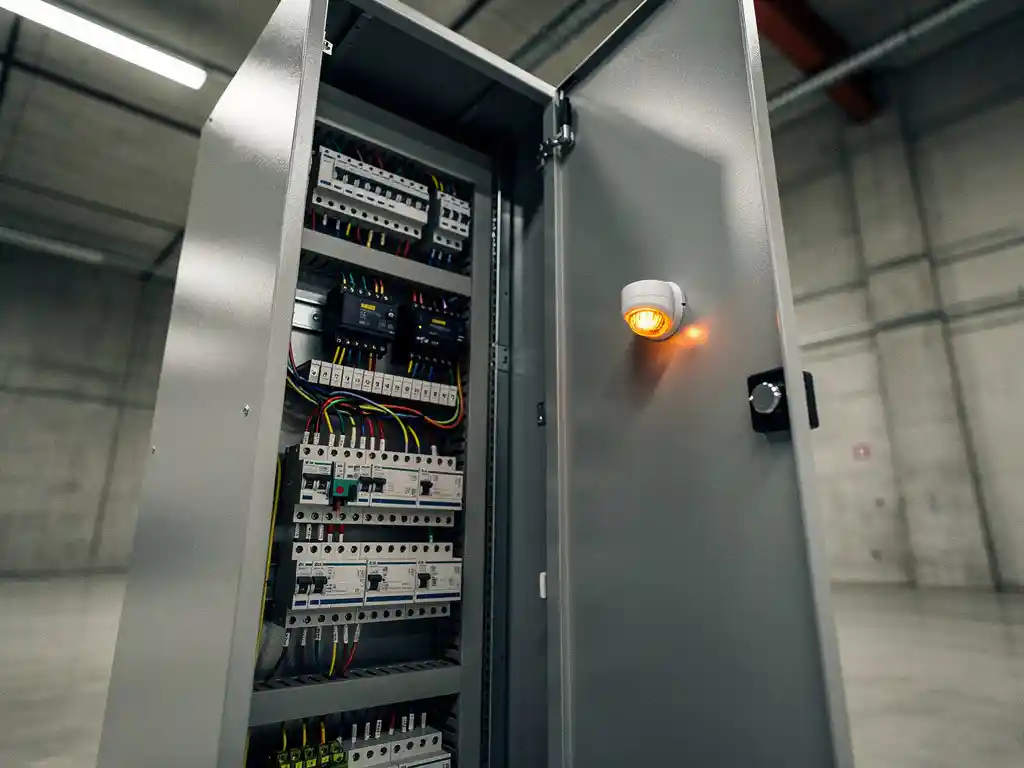
Selecting a fire detection system for a regulated environment requires matching detector technology and zone classification to the applicable regulatory framework governing your facility. The right system must satisfy both the detection performance standards and the equipment certification requirements relevant to your industry and hazard profile. The questions below walk through each decision point in that selection process.
What regulations govern fire detection systems in industrial environments?
Fire detection systems in industrial environments are governed by a combination of international standards, regional legislation, and industry-specific codes. The most widely referenced frameworks include EN 54 (the European standard for fire detection and alarm systems), NFPA 72 (the National Fire Alarm and Signaling Code used in North America), and FM Global loss prevention data sheets. Facilities operating in explosive atmospheres must also comply with the ATEX directive in Europe (2014/34/EU) and its international equivalent, IECEx.
Beyond these baseline standards, sector-specific requirements often layer additional obligations on top. Oil and gas facilities frequently reference API and ISO standards, while mining operations may face jurisdiction-specific mining safety regulations. Insurers such as FM Global impose their own technical requirements that go beyond statutory minimums. Understanding which standards apply to your facility is the essential first step before any equipment selection begins.
Regulatory compliance is not a one-time exercise. Standards are revised periodically, and facilities are expected to maintain alignment with the current editions. Building a compliance calendar into your fire safety management programme helps ensure that system reviews coincide with regulatory updates rather than lagging behind them.
What types of fire detection technologies are used in industrial settings?
Industrial fire detection relies on several core technologies, each suited to different hazard types and environmental conditions. The main categories are point smoke detectors, heat detectors, flame detectors, aspirating smoke detection (ASD) systems, and gas detectors. Selecting the right technology depends on the nature of the fire risk, the physical environment, and the speed of detection required.
- Point smoke detectors are the most common type and work well in clean, enclosed spaces, but can be compromised by dust, humidity, or airflow in industrial settings.
- Heat detectors respond to temperature rise and are better suited to dirty or dusty environments where smoke detectors would generate false alarms.
- Flame detectors use infrared or ultraviolet sensors to identify the optical signature of a flame, making them suitable for open areas with fast-developing fires.
- Aspirating smoke detection (ASD) actively draws air samples from the protected area and analyses them for combustion particles, enabling very early warning before visible smoke develops.
- Gas detectors are used where flammable or toxic gases present a fire or explosion risk, triggering alarms before ignition conditions are reached.
In practice, many industrial facilities use a layered approach, combining two or more technologies to achieve both early detection and resilience against false alarms. The choice of technology directly influences which product certifications are required and how the system must be installed.
How does the hazardous zone classification affect detector selection?
Hazardous zone classification determines which fire detectors are legally permitted in a given location. Under the ATEX framework, zones are classified based on the likelihood and duration of an explosive atmosphere being present: Zone 0, 1, and 2 for gas and vapour hazards, and Zone 20, 21, and 22 for combustible dust. Any electrical equipment installed in these zones, including fire detectors, must carry the appropriate ATEX or IECEx certification for that zone category.
A detector certified for Zone 2 cannot be installed in a Zone 1 area without creating a compliance violation and a genuine safety risk. This means the zone classification of each location within a facility must be established before equipment is specified. Zone classification drawings, often called area classification drawings, are typically produced by process engineers and form part of the facility’s safety documentation.
The practical implication for procurement is that standard commercial fire detectors are not suitable for hazardous areas. ATEX fire detection equipment is engineered with explosion-proof or intrinsically safe enclosures and must be tested and certified accordingly. Specifying non-certified equipment, even temporarily, exposes the facility to regulatory penalties and invalidates insurance cover in the event of an incident.
What is the difference between standalone detection and combined detection-suppression systems?
A standalone detection system identifies a fire and raises an alarm but does not take any suppression action itself. A combined detection and suppression system integrates both functions, so that when detection thresholds are met, suppression is triggered automatically, often within the same enclosure or object being protected. The key difference is response time and the degree of human intervention required to limit damage.
Standalone detection is appropriate where a central alarm system can reliably mobilise a suppression response quickly enough to prevent significant damage. In large open areas or facilities with dedicated fire response teams, this approach is practical. However, for enclosed equipment such as electrical cabinets, server racks, or battery energy storage systems, the time between alarm and manual intervention is often long enough for a fire to cause irreparable damage to sensitive components.
Combined systems address this gap by acting at the source of ignition without delay. Because suppression is triggered at the object level, the fire is contained before it spreads to surrounding infrastructure. This approach also reduces the risk of collateral damage from suppression agents reaching equipment that was not directly involved in the fire. For mission-critical assets where downtime carries significant financial or operational consequences, integrated detection and suppression is increasingly the preferred specification.
What are the key criteria for evaluating a compliant fire detection system?
Evaluating a compliant fire detection system requires assessing certification status, performance under site conditions, integration capability, and total cost of ownership. A system that meets the regulatory standard on paper but generates excessive false alarms or requires specialist maintenance will create operational problems that undermine both compliance and business continuity.
- Certification and testing: Confirm that the system holds the relevant certifications for your jurisdiction and hazard zone, such as EN 54 approval, ATEX certification, or FM approval. Certifications should be issued by recognised third-party bodies, not self-declared.
- Detection sensitivity and speed: Assess whether the detection technology is appropriate for the type of fire risk present, particularly for slow smouldering fires in enclosed equipment where early warning is critical.
- Environmental suitability: Verify that the equipment is rated for the temperature range, humidity levels, dust exposure, and vibration conditions present in your facility.
- Integration with existing infrastructure: The system should be able to report status to your existing fire alarm panel or building management system without requiring a full infrastructure replacement.
- Installation and maintenance requirements: Consider whether installation requires specialist certification and how frequently the system needs inspection or servicing. A lower maintenance burden reduces lifetime cost and compliance risk.
- Suppression agent compatibility: If the system includes suppression, confirm that the agent is approved for use in your jurisdiction and does not create secondary hazards for personnel or equipment.
Documenting the evaluation process itself is good practice. A written record of why a particular system was selected, referencing the applicable standards and the criteria used, provides an audit trail that supports regulatory inspections and insurance reviews.
How do you document and validate fire detection system compliance for audits?
Documenting fire detection system compliance for audits requires maintaining a structured set of records that demonstrate the system was correctly specified, installed, tested, and maintained in accordance with the applicable standards. Auditors and inspectors typically expect to review system design documentation, product certification records, commissioning test reports, and a log of ongoing maintenance and inspections.
The core documentation set should include:
- System design records: Drawings showing detector placement, zone layouts, and coverage calculations referenced against the applicable standard.
- Product certification documents: Copies of EN 54, ATEX, FM, or other relevant certificates for every component in the system.
- Commissioning report: A signed record of the initial acceptance test, confirming that the system performed as designed under test conditions.
- Maintenance log: A dated record of every inspection, test, fault, repair, and component replacement, showing who carried out the work and what standard was followed.
- Change management records: Documentation of any modifications to the system after commissioning, including the reason for the change and confirmation that compliance was re-verified.
Many facilities also benefit from aligning their fire detection documentation with their broader ISO 45001 occupational health and safety management system or ISO 14001 environmental management records, creating a single audit-ready compliance framework. Where systems report to a central fire panel, event logs from that panel can supplement the manual records and provide a time-stamped history of alarms, faults, and test activations.
How ExxFire supports compliant fire detection system selection
ExxFire offers a fully integrated approach to fire detection and suppression that directly addresses the compliance and performance requirements outlined above. The ExxFire system combines aspirating smoke detection with non-pressurized nitrogen gas suppression in a single, pre-engineered unit, designed specifically for enclosed equipment such as electrical cabinets, switchgear, and battery energy storage systems.
Key features that support compliance and operational requirements include:
- Third-party certification: Systems are tested and certified by CNPP in France and DMT (part of TÜV Nord) in Germany, providing the independent validation that auditors and insurers require.
- PFAS-free suppression: Nitrogen is an inert gas that leaves no chemical residue and contains no PFAS compounds, making it compatible with current and emerging environmental regulations.
- Seamless panel integration: Built-in relays allow the system to report detection and suppression status to an existing fire alarm panel, avoiding costly infrastructure changes.
- Self-installation without specialist certification: The pre-engineered design reduces installation complexity and lowers total cost of ownership.
- Scalable protection: Units protect enclosures up to 4.5 m³ and can be interconnected for larger volumes, making the system adaptable to a wide range of industrial equipment configurations.
If you are specifying a fire detection system for a regulated industrial environment and need a solution that combines early detection, automatic suppression, and full audit documentation support, contact ExxFire to discuss your specific requirements.
Related Articles
- What are early warning systems used in fire management?
- What is the difference between a fire alarm system and a suppression system?
- Why is fire suppression agent selection a sustainability decision?
- What is the EU chemicals strategy for fire protection?
- How do inert gas systems compare to HFC-based suppression agents?