

How does fire management protect ecosystems?
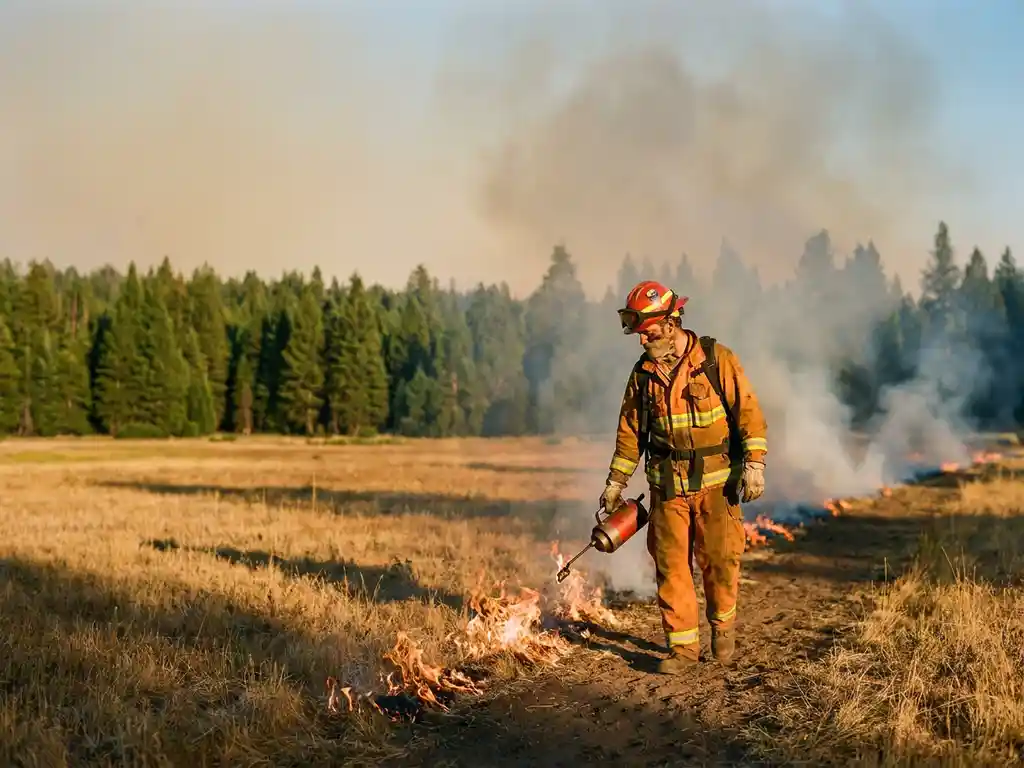
Fire management protects ecosystems by controlling the timing, intensity, and frequency of fire to mimic natural burn cycles, reduce dangerous fuel loads, and support the species and habitats that depend on periodic fire. Without active fire management, ecosystems accumulate dry vegetation that turns low-intensity natural processes into catastrophic wildfires. The questions below unpack how that protection works in practice.
What happens to an ecosystem immediately after a fire?
Immediately after a fire, an ecosystem enters a rapid and often dramatic phase of ecological reset. Vegetation is reduced, soil is exposed, and many animal species temporarily relocate. However, this disruption is not the same as destruction. For fire-adapted ecosystems, the post-fire landscape is the beginning of a renewal cycle, not an endpoint.
In the hours and days following a fire, the soil surface absorbs increased sunlight and rainfall more directly. Ash deposits release nutrients, particularly phosphorus and potassium, that were previously locked in organic matter. This nutrient flush can trigger fast-growing pioneer plant species to germinate, often within weeks of a burn.
Animal responses vary by species. Many invertebrates, small mammals, and reptiles survive underground or in rocky refuges. Larger animals typically move away from the burn zone and return as vegetation recovers. Some bird species, such as woodpeckers and raptors, actively seek out recently burned areas to exploit the abundance of exposed insects and small prey.
The severity of the immediate impact depends heavily on fire intensity and the ecosystem type. A low-intensity surface fire in a grassland may leave root systems intact and allow regrowth within days. A high-intensity crown fire in a forest can sterilize the topsoil and delay recovery for years. This distinction is central to why fire management focuses on controlling intensity, not simply preventing fire entirely.
What is the role of fire in maintaining healthy ecosystems?
Fire is a natural ecological process that many ecosystems require to remain healthy. It clears accumulated dead plant matter, recycles nutrients, opens forest canopies to allow light to reach the ground layer, and creates the mosaic of habitats that support biodiversity. In fire-adapted ecosystems, the absence of fire is itself a form of ecological disruption.
Across grasslands, savannas, shrublands, and many forest types, plant communities have co-evolved with periodic fire over thousands of years. Grasses with deep root systems regenerate quickly after burns. Certain tree species, such as lodgepole pine and banksia, have serotinous cones that only open and release seeds in response to fire’s heat. These adaptations reflect how deeply fire is woven into the reproductive biology of fire-dependent species.
Fire also plays a structural role. Without periodic burning, fast-growing shrubs and trees can outcompete low-growing plants and grasses, reducing the diversity of plant communities. Dense, unburned vegetation creates a uniform structure that supports fewer species overall. Regular fire maintains what ecologists call habitat heterogeneity, the variation in vegetation height, density, and composition that different species rely on for shelter, foraging, and breeding.
From a fire ecology perspective, the goal of fire management is not to eliminate fire but to ensure that fire occurs at the right frequency and intensity to sustain these ecological functions without causing irreversible damage.
How does prescribed burning protect native biodiversity?
Prescribed burning protects native biodiversity by deliberately reintroducing fire under controlled conditions to restore the natural fire regimes that many species depend on. By burning at planned intervals, land managers prevent the buildup of dense vegetation that suppresses fire-adapted native plants and the animals that rely on them.
Many native plant species are poor competitors in the absence of fire. When fire is excluded for long periods, invasive or opportunistic species often fill the space, displacing the native ground flora that forms the base of local food webs. A well-timed controlled burn can set back these competitors and give native species the open, nutrient-rich conditions they need to re-establish.
For fauna, the patchwork of burned and unburned areas created by prescribed burning is particularly valuable. Small mammals, reptiles, and ground-nesting birds use recently burned patches for foraging while retreating to adjacent unburned areas for shelter. This mosaic effect, achievable only through carefully planned controlled burns, supports a wider range of species than either a uniformly unburned or uniformly burned landscape would.
Prescribed burning also reduces the risk of catastrophic wildfire, which poses the greatest single threat to biodiversity in fire-prone regions. By keeping fuel loads manageable, biodiversity protection is built into the fire management strategy itself. A landscape that burns regularly at low intensity is far less likely to experience the high-severity fires that can eliminate entire plant communities and destroy nesting habitat for decades.
What’s the difference between wildfire suppression and fire management?
Wildfire suppression is the reactive effort to extinguish uncontrolled fires as quickly as possible. Fire management is the broader, proactive discipline of planning and applying fire, or preventing it, to achieve specific ecological, safety, and land management outcomes. Suppression is a tool within fire management, but fire management is far more than suppression.
For most of the twentieth century, the dominant approach in many countries was total fire suppression: put out every fire, as fast as possible. This approach, while understandable from a short-term safety perspective, created a significant long-term problem. Decades of suppression allowed fuel loads to accumulate to levels far beyond what natural fire cycles would have permitted. When fires did break out, they burned hotter and spread faster than historic fires, causing far greater ecological and structural damage.
Modern wildfire management recognizes this legacy and takes a more integrated approach. It combines several strategies:
- Prescribed burning to proactively reduce fuel loads before dangerous conditions arise
- Mechanical fuel reduction such as thinning and clearing in areas where burning is not appropriate
- Strategic suppression that prioritizes protecting lives and critical infrastructure while allowing some fires to burn in lower-risk areas
- Ecological monitoring to assess whether fire regimes are achieving intended biodiversity and restoration outcomes
The distinction matters because suppression alone does not address the underlying fuel accumulation problem. True ecosystem protection through fire requires accepting that fire is a natural process and managing its expression rather than eliminating it.
How do indigenous fire practices inform modern ecosystem management?
Indigenous fire practices inform modern ecosystem management by demonstrating that deliberate, low-intensity burning applied over long timeframes can sustain productive, biodiverse landscapes. Indigenous communities across Australia, North America, Africa, and elsewhere developed sophisticated burning knowledge over thousands of years, and that knowledge is increasingly recognized as a foundation for contemporary fire ecology.
Indigenous burning was typically characterized by frequent, small-scale burns applied in specific seasons, in specific locations, and for specific purposes. These included promoting the growth of food plants, improving visibility and travel routes, managing grazing habitat for game animals, and reducing the risk of large uncontrolled fires. The cumulative effect was a landscape shaped by human fire use in ways that supported both human communities and ecological diversity.
Modern fire managers have drawn several key lessons from these practices:
- Burning frequency matters as much as burning intensity. Small, frequent burns are far less damaging than infrequent, high-intensity events.
- Seasonal timing affects which species benefit. Burning at different times of year produces different ecological outcomes.
- Local and place-based knowledge is irreplaceable. Indigenous practitioners understood their landscapes at a resolution that broad-scale scientific surveys often cannot replicate.
In Australia, collaborative programs between indigenous land managers and government agencies have demonstrated measurable improvements in biodiversity outcomes and reductions in large wildfire events where traditional burning has been reintegrated. This growing body of evidence has shifted fire management frameworks in many jurisdictions toward co-management models that formally incorporate indigenous ecological knowledge.
When does fire management fail to protect an ecosystem?
Fire management fails to protect an ecosystem when the timing, frequency, or intensity of burns is mismatched to the ecological needs of that landscape, when climate conditions override planned burn parameters, or when fire management is applied in isolation without addressing the broader pressures an ecosystem faces. No fire management strategy is effective in every context.
One of the most common failures is burning too infrequently. When prescribed burns are delayed due to weather windows, budget constraints, or regulatory barriers, fuel loads continue to build. A single missed burn cycle in a high-fuel landscape can substantially increase the risk that the next fire, whether managed or uncontrolled, burns at an intensity that causes lasting ecological harm.
Climate change is increasingly undermining fire management effectiveness. As temperatures rise and droughts become more prolonged, the window during which safe prescribed burning is possible narrows. Simultaneously, the risk period for catastrophic wildfire expands. In some regions, fire managers are finding that the fuel reduction achieved through prescribed burning is being offset by the increased flammability of vegetation under hotter, drier conditions.
Fire management also fails when it is treated as a standalone solution. Ecosystems under pressure from invasive species, habitat fragmentation, overgrazing, or pollution may not recover as expected after fire, even when burns are well-executed. Ecosystem restoration requires fire management to be integrated with weed control, revegetation programs, and landscape-scale planning.
Finally, social and political barriers can prevent fire management from being applied at the scale and frequency required. Community opposition to smoke, liability concerns, and fragmented land tenure all limit what is achievable on the ground. Effective fire management depends as much on governance and community engagement as it does on ecological science.
How ExxFire helps protect what fire threatens
While landscape fire management focuses on ecosystems, the assets and infrastructure within those landscapes face their own fire risks. ExxFire provides a direct, object-level layer of protection for the critical equipment that organizations cannot afford to lose to fire.
- Early smoke detection: Aspirating smoke detection identifies fire at the earliest possible stage, before suppression is needed
- Clean nitrogen suppression: Non-pressurized nitrogen gas extinguishes fire without chemical residues, leaving sensitive electronics undamaged
- No PFAS, no environmental harm: ExxFire’s patented technology is a fully PFAS-free alternative to legacy gas suppression systems
- Easy installation, zero maintenance: Systems are designed for self-installation with no ongoing maintenance requirements once commissioned
- Certified and tested: All systems are validated by CNPP France and DMT, part of TÜV Nord
For organizations operating in fire-prone environments or managing mission-critical infrastructure, ExxFire’s combined detection and suppression systems provide reliable, sustainable protection at the lowest possible Total Cost of Ownership. Contact ExxFire to find out which system is right for your application.