

How does fire prevention differ for apartments vs. Houses?
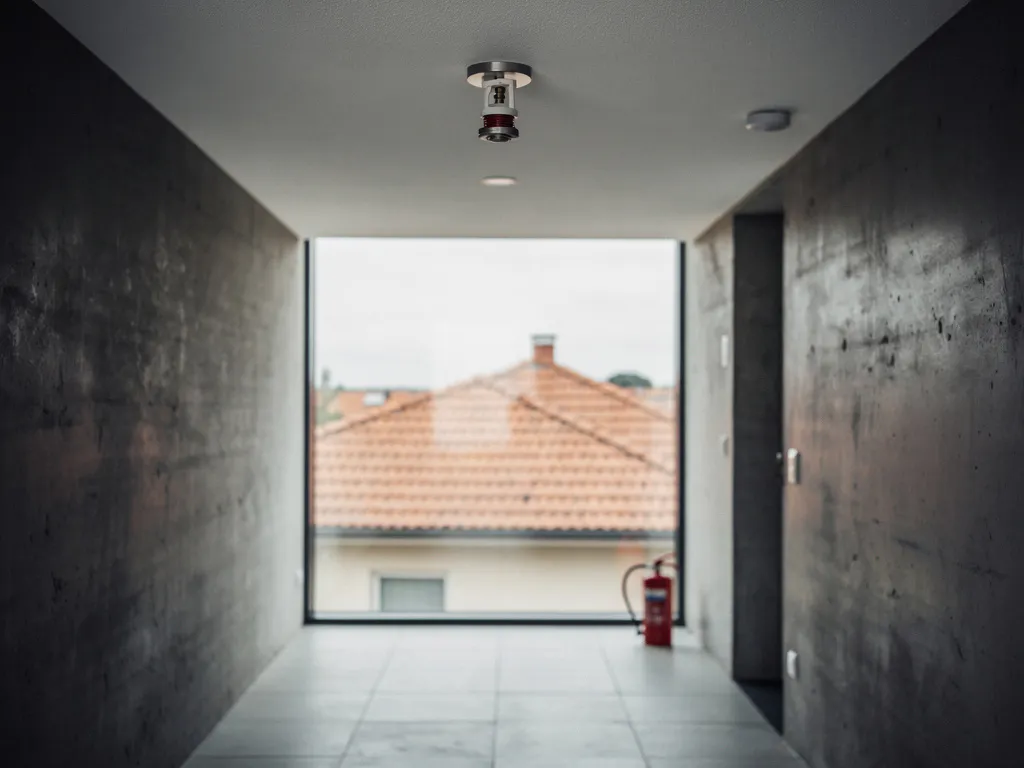
Fire prevention differs for apartments versus houses primarily because of how each dwelling type is built, occupied, and managed. Apartments share walls, floors, and ventilation systems with neighboring units, meaning a fire can spread quickly across multiple households. Houses stand independently, giving occupants more control over their environment but also more personal responsibility for every aspect of fire safety. The sections below address the most common questions about residential fire prevention across both dwelling types.
What fire risks are unique to apartment buildings?
Apartment buildings face fire risks that are directly tied to high-density living. When dozens or hundreds of households share a single structure, the number of potential ignition sources multiplies, and the consequences of a single fire can affect far more people than in a standalone house.
Several risks stand out as particularly relevant to apartment environments:
- Shared electrical infrastructure: Older apartment buildings often have aging wiring systems that serve the entire structure. Overloaded circuits, outdated panels, and faulty connections in shared spaces can ignite fires in areas residents have no direct access to or visibility over.
- Corridor and stairwell hazards: Items stored in hallways, such as bicycles, furniture, or cardboard boxes, can fuel a fire and block escape routes for every resident in the building.
- Cooking and smoking in close proximity: Cooking remains the leading cause of residential fires, and in apartment buildings, this risk is compounded by the sheer density of kitchens in a single structure.
- Balcony fires: Outdoor furniture, barbecue grills, and discarded cigarettes on balconies are a common ignition source in apartment buildings, with flames capable of climbing rapidly upward to higher floors.
- Laundry rooms and shared utilities: Communal dryers with accumulated lint, boiler rooms, and electrical substations in shared utility spaces introduce risks that individual residents cannot directly manage.
In a house, most of these risks are contained within a single household’s control. In an apartment, many of them exist beyond any one resident’s reach, which is why building-level fire prevention systems and management protocols are so critical.
How does fire spread differently in apartments versus houses?
Fire spreads faster and more unpredictably in apartment buildings than in houses because shared structural elements, ventilation shafts, and stairwells act as pathways that carry heat, smoke, and flames across multiple units. In a house, fire typically spreads room to room; in an apartment building, it can travel vertically and horizontally through the structure itself.
In a detached house, fire spreads primarily through open doorways, combustible materials, and the roof space. The fire is largely contained within the building envelope, and neighboring properties are rarely at immediate risk unless the buildings are very close together.
In an apartment building, the dynamics are more complex. Vertical shafts, including elevator shafts, stairwells, and pipe chases, create a chimney effect that draws smoke and heat upward quickly. Horizontal spread can occur through shared walls, ceiling voids, and ductwork. A fire starting in a ground-floor unit can fill upper-floor corridors with smoke within minutes, even before flames reach those areas.
This difference in fire behavior is one of the main reasons apartment buildings are subject to stricter building codes, including fire-rated walls, self-closing fire doors, and compartmentalization requirements. These passive fire protection measures are designed to slow the spread of fire and give residents more time to evacuate safely.
Who is responsible for fire prevention in an apartment?
Fire prevention responsibility in an apartment is shared between the building owner or management and the individual residents. The landlord or building manager is responsible for the common areas, structural fire safety measures, and compliance with local fire safety regulations. Each resident is responsible for fire safety within their own unit.
In practice, this means:
- Landlords and building managers must ensure that fire detection systems in common areas are installed and maintained, that escape routes are kept clear, that fire doors are functional and self-closing, and that the building meets current fire safety codes.
- Residents are responsible for not obstructing hallways, maintaining smoke detectors inside their own units, avoiding unsafe use of electrical appliances, and following building fire safety rules.
In a house, the homeowner or tenant carries the full burden of fire prevention, from testing smoke alarms to maintaining heating systems and ensuring safe storage of flammable materials. There is no shared responsibility, which means there is also no safety net if the occupant neglects their fire prevention duties.
Understanding this division of responsibility matters because gaps often appear at the boundary between individual and collective accountability. Residents who assume the building management handles everything, or managers who overlook individual unit risks, leave the entire building more vulnerable.
What fire detection systems work best in apartments?
Interconnected smoke alarms are the most effective fire detection approach for apartments. When one alarm triggers, all alarms in the unit or across the building sound simultaneously, giving every resident early warning regardless of where the fire starts. This is significantly more effective than standalone alarms that only alert occupants in the immediate area.
For individual apartment units, optical smoke detectors are generally preferred over ionization detectors because they respond faster to slow-burning, smoldering fires, which are common in living spaces. Heat detectors are better suited to kitchens, where cooking steam and smoke can cause false alarms from standard smoke detectors.
For apartment buildings as a whole, addressable fire alarm systems allow building managers to identify the exact location of a triggered detector, speeding up the emergency response. These systems connect all detectors throughout the building to a central panel, providing a real-time picture of where smoke or heat has been detected.
In a house, the detection approach is simpler. A combination of smoke alarms on every level, including inside bedrooms and hallways, plus a carbon monoxide detector near sleeping areas, provides solid coverage. The key principle in both dwelling types is early detection: the sooner a fire is identified, the more time occupants have to evacuate and the less damage the fire causes.
How do escape routes differ between apartments and houses?
Escape routes in apartments are more complex and less flexible than in houses. Apartment residents typically depend on shared corridors and stairwells to exit the building, and they may be located many floors above ground level. In a house, occupants can usually exit through multiple doors or windows directly to the outside.
In a house, escape planning is relatively straightforward. Every room should have at least two possible exit routes, and ground-floor windows offer direct escape options. Upper-floor rooms may require escape ladders, but the distances involved are manageable, and occupants are not dependent on shared infrastructure.
In an apartment building, effective escape planning requires residents to:
- Know the location of all stairwells and fire exits in the building, not just the nearest one
- Never use lifts during a fire evacuation
- Keep their front door closed when evacuating to slow fire spread into the corridor
- Know the building’s assembly point and evacuation procedure
- Understand the difference between a full evacuation order and a “stay put” instruction, which some high-rise buildings use when compartmentalization is designed to contain the fire
The “stay put” versus “evacuate” distinction is particularly important in taller apartment buildings. Residents should be aware of their building’s specific evacuation policy and follow instructions from building management and emergency services rather than acting on instinct alone.
What are the most effective fire prevention habits for each dwelling type?
The most effective fire prevention habits focus on eliminating ignition sources, maintaining detection equipment, and keeping escape routes accessible. While the core principles apply to both apartments and houses, the specific habits that matter most differ depending on the dwelling type and the degree of shared responsibility involved.
Fire prevention habits for apartment residents
- Test smoke detectors inside your unit monthly and replace batteries annually
- Never block corridor fire doors or prop them open, as they are designed to contain fire and smoke
- Avoid leaving cooking unattended, especially on high heat
- Do not overload electrical sockets or use extension leads in place of permanent wiring
- Keep balconies free of combustible materials and never use barbecue grills on balconies unless explicitly permitted
- Report maintenance issues, such as faulty wiring or damaged fire doors, to building management promptly
Fire prevention habits for house occupants
- Install smoke alarms on every floor and test them regularly, replacing units older than ten years
- Clean dryer lint filters after every use and check the exhaust duct annually
- Store flammable liquids, such as petrol and paint, in a detached outbuilding away from the main structure
- Maintain a clear space around electrical panels, boilers, and heating equipment
- Create and practice a household fire escape plan, including a designated meeting point outside
- Have chimneys and flues professionally swept and inspected once a year if used regularly
Across both dwelling types, the habits that prevent the most fires are consistent: never leave open flames unattended, keep electrical systems in good condition, and ensure that working smoke detection is always in place.
How ExxFire supports fire detection and suppression in critical environments
While the fire prevention habits above apply to residential settings, many of the same principles extend to the high-value, mission-critical environments that ExxFire specializes in protecting, including electrical cabinets, server enclosures, and battery energy storage systems found in apartment buildings, commercial facilities, and industrial sites.
ExxFire’s integrated fire detection and suppression systems are designed to protect closed enclosures where a fire can cause severe damage before a building-level alarm is triggered. Key features include:
- Aspirating smoke detection: Detects smoke at the earliest possible stage, long before flames develop, giving operators maximum response time
- Non-pressurized nitrogen gas suppression: Extinguishes fire at the source using inert gas that leaves no chemical residue and causes no damage to sensitive electronics or components
- PFAS-free technology: A clean, environmentally responsible alternative to legacy suppression agents, meeting the growing demand for sustainable fire safety solutions
- Easy self-installation: Pre-engineered systems that do not require special certification to install, reducing implementation time and cost
- Integration with existing fire panels: Built-in relays allow the system to report status to a building’s existing fire safety infrastructure seamlessly
Whether protecting a switchgear cabinet in a residential complex or a battery energy storage system in an industrial facility, ExxFire’s systems ensure that fire is detected and suppressed at the object level before it can spread. Contact ExxFire to find out how its certified, TÜV Nord and CNPP-validated technology can be applied to your specific environment.
Related Articles
- What causes most house fires?
- When should you upgrade your fire suppression system to meet new standards?
- How does IEC 62368 relate to fire safety in electronic equipment?
- Why is cabinet-level fire suppression more effective than room-level systems?
- What is the difference between fire prevention and fire protection?