

What are the most common fire hazards at home?
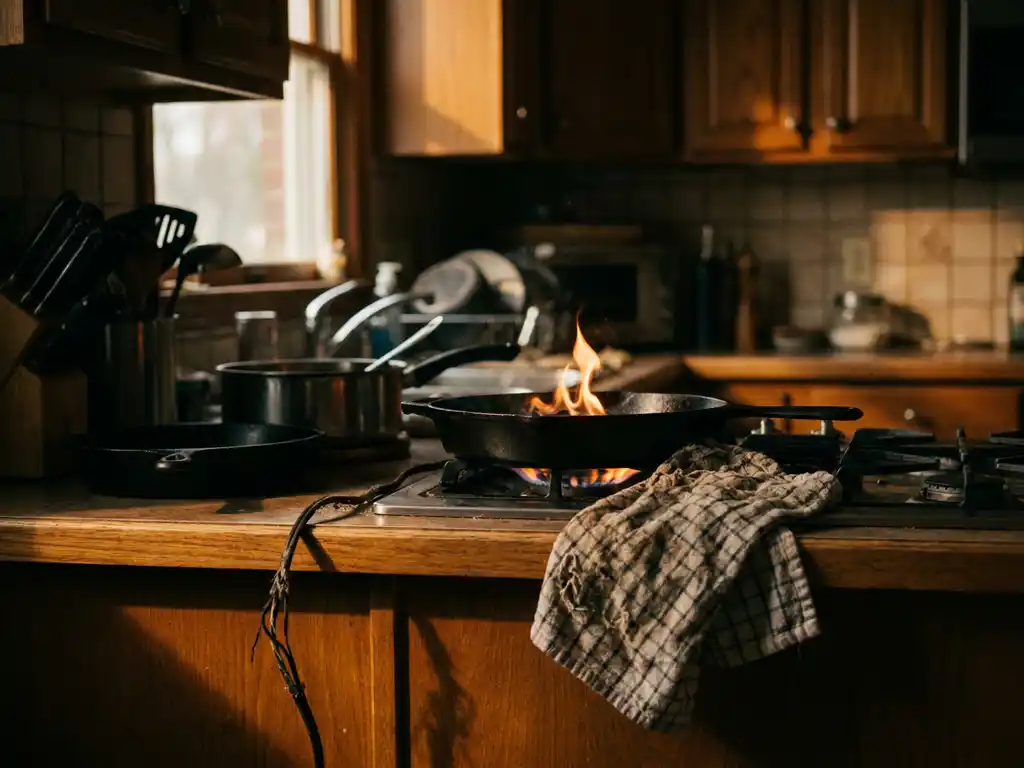
The most common fire hazards at home include cooking equipment, faulty electrical wiring, heating appliances, open flames such as candles, and smoking materials. These five categories account for the overwhelming majority of residential fires worldwide. Understanding where fires start and why they spread so quickly is the first step toward meaningful fire prevention at home.
Most house fires are preventable. The risks are well-documented, the warning signs are often visible, and simple behavioral changes can dramatically reduce the likelihood of a fire breaking out. The sections below break down each major hazard, explain the mechanisms behind them, and offer practical guidance on keeping your household safe.
Where do most house fires actually start?
The kitchen is where most house fires start. Cooking is the leading cause of residential fires in most countries, followed by electrical faults, heating equipment, and smoking materials. Fires that begin in the kitchen tend to ignite quickly because heat sources, flammable oils, and combustible materials are all concentrated in a small space.
Beyond the kitchen, fires can originate in almost any room depending on the equipment present. Living rooms and bedrooms are common sites for fires caused by candles, electric blankets, or overloaded power strips. Utility rooms and garages, where heating appliances and stored chemicals may be present, also carry elevated risk. The common thread across all these locations is the proximity of an ignition source to combustible material, whether that is cooking oil, dust, fabric, or electrical insulation.
Understanding which areas of your home carry the highest risk allows you to prioritize your fire prevention efforts and make sure detection equipment is positioned where it matters most.
What cooking habits cause the most kitchen fires?
Leaving cooking unattended is the single most common habit that causes kitchen fires. When food is left on a hot stove or in a hot oven without supervision, grease can overheat, liquids can boil dry, and combustible materials nearby can ignite before anyone notices. Most kitchen fires escalate from a small, manageable flame to a serious blaze within minutes.
Several specific habits significantly increase the risk of a kitchen fire:
- Frying with excessive oil at high temperatures is a leading cause of grease fires, which are notoriously difficult to extinguish with water
- Leaving tea towels, oven mitts, or packaging near an active burner creates an easy path for flames to spread
- Using damaged or poorly maintained appliances such as toasters with crumb buildup or microwaves with faulty seals increases ignition risk
- Cooking while tired or distracted, including after consuming alcohol, is a factor in a disproportionate number of cooking-related fires
The practical fix for most of these risks is straightforward: stay in the kitchen when cooking on the hob, keep the cooking area clear of flammable materials, and ensure your appliances are clean and in good working order. A working smoke detector positioned near but not directly above the cooker gives you the earliest possible warning if something goes wrong.
Why are electrical faults such a dangerous fire hazard?
Electrical faults are a particularly dangerous fire hazard because they can ignite fires inside walls, under floors, or inside equipment where flames go undetected until the fire has already taken hold. Unlike a pan left on a hob, an electrical fault is often invisible and silent until a fire is already spreading through the structure of a building.
The most frequent electrical causes of home fires include:
- Overloaded circuits and extension leads that draw more current than the wiring is rated to handle, causing cables to overheat
- Damaged or frayed wiring, particularly in older properties where insulation has degraded over time
- Faulty or counterfeit chargers for phones, laptops, and other devices, which may lack adequate thermal protection
- Appliances left on standby or charging overnight, especially lithium-ion battery devices, which can develop faults during charging cycles
- DIY electrical work that does not meet safety standards, creating hidden fault points behind finished walls
One of the most effective ways to reduce electrical fire risk is to have your home’s wiring inspected by a qualified electrician if the property is older than 25 years or if you notice flickering lights, frequently tripping breakers, or discoloration around sockets. Never ignore these warning signs – they are the electrical system communicating that something is wrong.
How do heating appliances and open flames start home fires?
Heating appliances and open flames start home fires primarily through contact with combustible materials placed too close to the heat source. Space heaters, wood-burning stoves, fireplaces, and candles all generate sustained heat that can ignite curtains, furniture, clothing, and other household materials if the clearance distance is insufficient.
Portable electric and gas heaters are among the most frequently cited heating-related fire causes. They are often placed in bedrooms or living areas where fabric furnishings are nearby, and they are sometimes left running unattended or overnight. The risk multiplies significantly when heaters are used to dry clothing, which dramatically reduces the safe distance between the appliance and combustible material.
Candles represent a deceptively simple fire hazard. A candle left burning in an empty room, placed near a curtain, or knocked over by a pet or child can start a fire that spreads rapidly. Battery-operated candles provide the same aesthetic effect without any ignition risk and are a practical alternative in households with children or pets.
For solid fuel appliances such as wood burners and open fireplaces, chimney maintenance is critical. A chimney that has not been swept regularly can accumulate creosote, a highly flammable byproduct of combustion, which can ignite and cause a chimney fire that spreads to the rest of the building.
What role do smoking materials play in residential fires?
Smoking materials, including cigarettes, cigars, and pipe tobacco, are a significant cause of fatal residential fires. The danger is not primarily the act of smoking itself but the risk of a lit cigarette being left unattended, dropped, or used by someone who falls asleep before it is fully extinguished. Fires caused by smoking materials tend to smolder for a long time before breaking into open flame, which means they often go undetected until they are well established.
The most dangerous scenario is smoking in bed or on a sofa. Upholstered furniture and bedding are highly combustible, and a smoldering cigarette can ignite them in a way that produces large amounts of toxic smoke before visible flames appear. This is why smoking-related fires cause a disproportionately high number of fatalities relative to the number of fires they start.
If smoking indoors is unavoidable, using deep, stable ashtrays and always fully extinguishing cigarettes before leaving a room or going to sleep are the minimum precautions. Never smoke in bed, and never leave a lit cigarette resting on a surface while doing something else.
How can early detection reduce damage from home fire hazards?
Early detection reduces damage from home fire hazards by giving occupants the time to evacuate safely and alerting emergency services before a fire has the opportunity to spread. A working smoke alarm can cut the risk of dying in a house fire significantly, and the earlier a fire is detected, the smaller the area it is likely to affect before it is brought under control.
The key principles of effective early detection at home include:
- Install smoke alarms on every floor of the property and inside every bedroom, not just in hallways
- Test alarms monthly and replace batteries at least once a year, or choose alarms with sealed ten-year batteries
- Use heat alarms in kitchens rather than standard smoke alarms, which can trigger false alarms from cooking steam and may be disabled as a result
- Consider interconnected alarms so that when one triggers, all alarms in the property sound simultaneously
- Have a clear evacuation plan and make sure all household members know it, including children
Detection technology has advanced considerably, and modern aspirating smoke detection systems can identify the earliest traces of smoke particles before visible smoke or flames are present. This level of sensitivity is particularly valuable in environments where fire could develop rapidly or where the consequences of a delayed response are severe.
How ExxFire helps with fire detection and suppression
While the fire hazards discussed above are primarily residential concerns, the principles of early detection and rapid suppression apply equally to any environment where high-value equipment or critical operations are at risk. ExxFire specializes in combined fire detection and suppression systems designed to protect enclosed equipment such as electrical cabinets, server racks, and battery energy storage systems.
Key features of ExxFire’s approach include:
- Aspirating smoke detection that identifies fire at the earliest possible stage, before flames develop
- Non-pressurized nitrogen gas suppression that extinguishes fire without leaving chemical residues or damaging sensitive electronics
- PFAS-free technology that provides an environmentally responsible alternative to legacy suppression agents
- Easy self-installation with no special certification required, and minimal ongoing maintenance
- Tested and certified by CNPP France and TÜV Nord, ensuring independently validated performance
Whether you are responsible for protecting a server room, a switchgear cabinet, or a battery energy storage system, early detection paired with targeted suppression is the most effective way to prevent damage, limit downtime, and maintain business continuity. Explore ExxFire’s solutions to find out how the right system can be matched to your specific environment and risk profile.