

What are the fire risks of hydrogen energy systems?
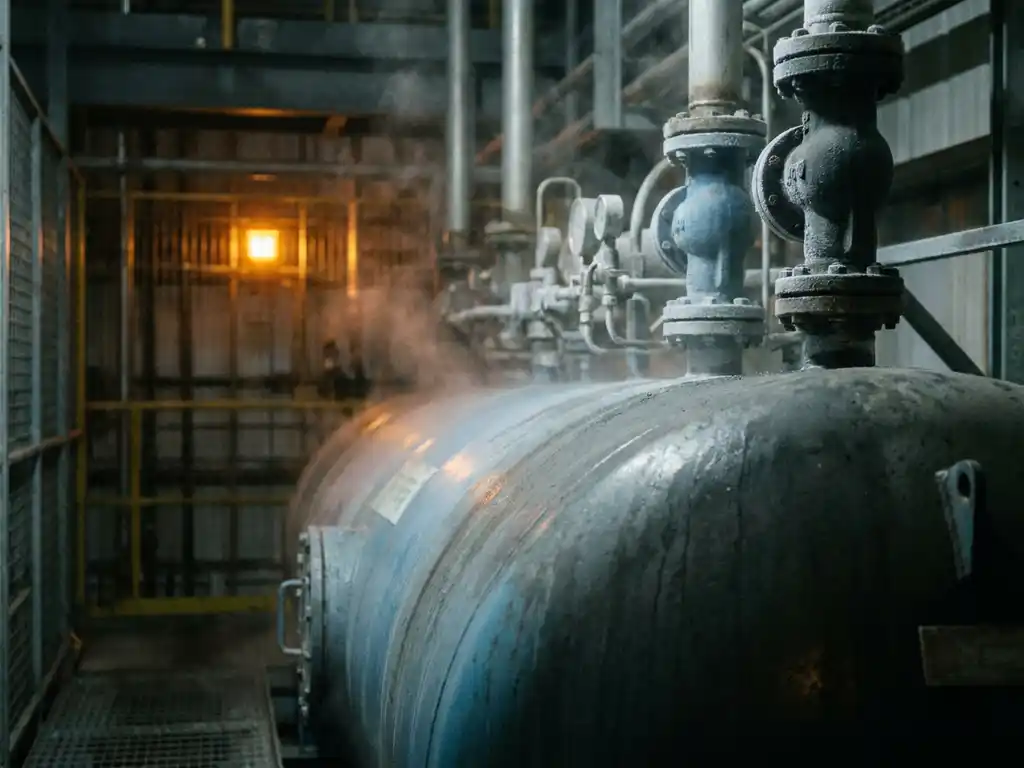
Hydrogen energy systems carry significantly higher fire and explosion risks than conventional fuels. Hydrogen is the most flammable gas in common industrial use, igniting across a much wider range of concentrations than gasoline or natural gas, and burning with an invisible flame that makes detection far more difficult. The sections below unpack the specific hazards, behaviors, and protection strategies that anyone working with hydrogen energy systems needs to understand.
Why is hydrogen more flammable than conventional fuels?
Hydrogen is more flammable than conventional fuels because it ignites across an exceptionally wide concentration range in air, from as low as 4% to as high as 75% by volume. By comparison, natural gas ignites between roughly 5% and 15%, and gasoline vapor between 1.4% and 7.6%. This means hydrogen can sustain combustion under conditions where other fuels would simply not burn.
Several physical properties compound this risk. Hydrogen has an extremely low minimum ignition energy, meaning even a small electrostatic discharge or a weak spark is enough to trigger combustion. It is also the lightest element, making it highly buoyant. In enclosed or partially enclosed spaces, hydrogen rises rapidly and can accumulate near ceilings, in roof voids, or in any poorly ventilated upper zone, building toward ignitable concentrations faster than most operators anticipate.
Hydrogen also has a high diffusion coefficient, meaning it spreads through the air more quickly than heavier gases. A small leak can create a flammable atmosphere over a wide area in a short time, which is why hydrogen flammability is treated as a category of its own in fire safety engineering rather than simply being grouped with other combustible gases.
What causes hydrogen fires and explosions in energy systems?
Hydrogen fires and explosions in energy systems are most commonly caused by leaks from storage vessels, piping joints, seals, or valves, combined with an ignition source such as electrical equipment, static discharge, or mechanical sparks. Because hydrogen is odorless and colorless, leaks often go undetected until a dangerous concentration has already built up.
In hydrogen energy storage and fuel cell systems, additional causes include:
- Electrochemical failure: Fuel cells and electrolyzers can release hydrogen during malfunction or overcharging events, particularly under thermal stress.
- Pressure vessel failure: High-pressure hydrogen storage tanks, if structurally compromised, can rupture and release large volumes of gas almost instantaneously.
- Hydrogen embrittlement: Over time, hydrogen can weaken metal components by diffusing into the material, making pipes and fittings more susceptible to cracking and sudden failure.
- Thermal runaway interactions: In hybrid energy systems combining hydrogen with lithium-ion batteries, a thermal runaway event in the battery can generate sufficient heat to ignite any hydrogen present.
The hydrogen explosion risk is not limited to open flames. When hydrogen accumulates in a confined space and reaches concentrations above 18%, detonation rather than deflagration becomes possible, releasing energy far more destructively than a standard combustion event.
How do hydrogen fires behave differently from other fires?
Hydrogen fires behave differently from other fires in several critical ways. The most dangerous distinction is that a hydrogen flame is nearly invisible in daylight, emitting very little visible light or smoke. A hydrogen fire can be burning intensely while appearing to produce nothing at all, making it extremely hazardous for anyone approaching the area unaware.
Other key behavioral differences include:
- No smoke signal: Conventional fire detection systems that rely on smoke or heat may not trigger during the early stages of a hydrogen fire, delaying suppression.
- Very high flame temperature: Hydrogen burns at temperatures exceeding 2,000°C, which is significantly hotter than most hydrocarbon fires, accelerating structural damage.
- Rapid flame propagation: Hydrogen flames travel faster than those of most other fuels, reducing the time available for evacuation or manual intervention.
- Jet fire behavior: When hydrogen escapes under pressure and ignites, it typically forms a jet fire that is highly directional and extremely difficult to extinguish without first stopping the flow of gas.
These characteristics mean that standard fire response protocols designed for conventional fuels are often inadequate in hydrogen environments. Early detection and automated suppression are not just beneficial in these settings, they are essential.
Which hydrogen energy applications carry the highest fire risk?
The hydrogen energy applications carrying the highest fire risk are those that combine high-pressure storage, electrochemical processes, or confined spaces with continuous hydrogen handling. Among these, hydrogen fuel cell systems, electrolysis-based hydrogen production facilities, and hydrogen energy storage installations present the most significant hazard profiles.
Specific high-risk applications include:
- Hydrogen fuel cell vehicles and charging infrastructure: High-pressure tanks operating at 350 to 700 bar create severe rupture and jet fire risks in enclosed parking or service environments.
- Stationary fuel cell power systems: Used in data centers, hospitals, and industrial facilities, these systems involve continuous hydrogen supply lines and electrical components that can serve as ignition sources.
- Green hydrogen electrolyzers: Electrolysis equipment produces hydrogen and oxygen simultaneously, creating a mixed atmosphere that can become explosive if containment fails.
- Hydrogen energy storage systems: Large-scale storage for grid balancing or backup power concentrates significant volumes of hydrogen in one location, amplifying the consequences of any single failure.
- Hydrogen-cooled generators: Used in power generation, these systems maintain hydrogen at pressure inside generator housings, where any seal degradation creates both fire and explosion exposure.
In all of these applications, the combination of invisible flames, wide flammability limits, and high energy density makes hydrogen energy storage fire risk a serious engineering and safety management challenge.
What fire detection methods work for hydrogen environments?
Effective fire detection in hydrogen environments requires methods specifically suited to hydrogen’s unique properties, particularly its invisible flame and lack of smoke. The most reliable approaches combine gas detection with flame detection technologies designed to identify the specific radiation signatures of a hydrogen fire.
Gas detection
Catalytic bead sensors and electrochemical sensors can detect hydrogen concentrations in air before ignition occurs, providing early warning when levels approach the lower flammability limit of 4%. These sensors are typically installed at ceiling level or in areas where hydrogen is likely to accumulate. Continuous monitoring is essential because hydrogen leaks can develop quickly and silently.
Flame detection
Because hydrogen flames emit ultraviolet radiation but very little visible light, UV-sensitive flame detectors are far more effective than standard optical or smoke-based detectors in hydrogen environments. Some advanced systems combine UV and infrared detection to reduce false alarms while maintaining sensitivity to hydrogen combustion signatures.
Aspirating smoke detection systems, which actively draw air samples from within enclosed equipment enclosures, add another layer of protection by detecting the earliest signs of thermal stress or smoldering within the electrical components commonly found alongside hydrogen systems. This is particularly relevant for the control cabinets, power electronics, and battery systems that often accompany hydrogen energy installations.
How can hydrogen energy systems be protected against fire?
Hydrogen energy systems can be protected against fire through a layered approach that combines engineering controls, early detection, and targeted suppression. No single measure is sufficient given the unique hazard profile of hydrogen, so effective protection requires multiple overlapping strategies working together.
Core protective measures include:
- Ventilation design: Facilities handling hydrogen should be designed with natural or forced ventilation that prevents accumulation near ignition sources, with particular attention to roof spaces and enclosed volumes.
- Leak detection and automatic isolation: Automated gas detection linked to valve shutoff systems can stop a hydrogen release before it reaches ignitable concentrations.
- Explosion-proof electrical equipment: All electrical components in hydrogen zones should meet appropriate hazardous area classifications to eliminate ignition sources.
- Inert gas suppression for enclosed equipment: For the electrical cabinets, power electronics, and control systems that support hydrogen energy installations, inert gas suppression systems can extinguish fires at the source without damaging sensitive components.
- Regular inspection and maintenance of seals and fittings: Given the risk of hydrogen embrittlement and micro-leaks, scheduled inspection of all containment components is a fundamental risk reduction measure.
- Staff training and emergency procedures: Personnel working in hydrogen environments need specific training on the invisible flame hazard and the correct response to alarms.
For the electrical infrastructure surrounding hydrogen systems, including inverters, battery management units, and control cabinets, object-level fire protection provides a critical last line of defense against fire spreading from a component failure to the wider facility.
How ExxFire helps protect hydrogen energy infrastructure
ExxFire’s integrated fire detection and suppression systems are designed to protect the electrical enclosures and cabinets that form the backbone of hydrogen energy installations. Where hydrogen systems rely on power electronics, battery storage, switchgear, and control cabinets, a fire starting inside any one of these enclosures can escalate rapidly if not addressed at the source.
- Early smoke detection: Aspirating detection technology identifies the first signs of thermal stress inside closed enclosures before a fire develops.
- Nitrogen-based suppression: ExxFire’s patented Cool Gas Generator releases clean, inert nitrogen gas to extinguish fires without leaving chemical residues that would damage sensitive electronics.
- PFAS-free and non-pressurized: The system stores nitrogen in a solid, non-pressurized state, eliminating the risks associated with high-pressure gas cylinders in environments already handling pressurized hydrogen.
- Easy installation and low maintenance: Systems are self-contained and require no ongoing maintenance after commissioning, keeping total cost of ownership low for facilities with complex operational demands.
- Fire panel integration: Built-in relays allow the system to report status to existing fire panels, fitting seamlessly into broader facility safety infrastructure.
For organizations building or operating hydrogen energy systems, protecting the associated electrical infrastructure is a straightforward and essential step. Explore ExxFire’s fire suppression systems to find out how object-level protection can be integrated into your hydrogen energy installation.
Related Articles
- How does fire risk vary between urban and rural properties?
- What are the biggest fire risks in an office environment?
- What is the difference between a fire alarm system and a suppression system?
- Should facility managers choose a modular or fixed fire suppression system?
- What are the most effective fire prevention habits for families?