

How do you prevent fires in a home office?
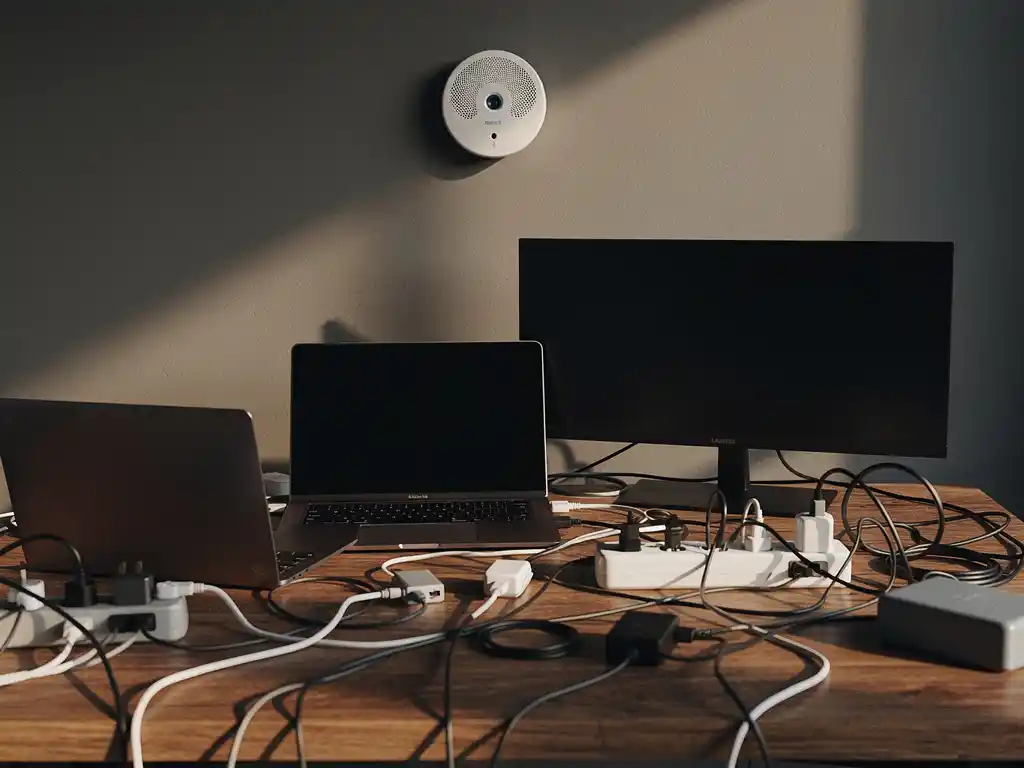
Working from home has become a normal part of professional life, but many people overlook the fire risks that come with a home office setup. You can prevent fires in a home office by managing electrical loads carefully, keeping heat-generating devices ventilated, avoiding cable clutter, and installing a working smoke detector. These measures are straightforward, low-cost, and highly effective at reducing risk. The sections below cover the most common hazards, practical prevention steps, and what to do if a fire does break out.
What are the most common fire hazards in a home office?
The most common fire hazards in a home office are overloaded power strips, overheating electronics, poor cable management, and flammable materials stored near heat sources. These risks are easy to overlook because home offices tend to grow organically, with equipment added over time without a structured approach to electrical safety.
Understanding where the danger actually comes from helps you prioritize the right fixes. The key hazards to watch for include:
- Overloaded power strips and extension cords: Plugging too many high-draw devices into a single strip is one of the leading causes of electrical fires in home settings.
- Overheating laptops, desktops, and monitors: Electronics generate significant heat during operation. When placed on soft surfaces like beds or carpets, or when vents are blocked, internal temperatures can rise to dangerous levels.
- Charging devices left unattended: Phones, tablets, and laptop batteries that are charged overnight or for extended periods without supervision carry a risk of thermal runaway, particularly if the battery is aging or damaged.
- Flammable materials near equipment: Paper, cardboard boxes, and fabric stored too close to printers, routers, or power adapters create a ready fuel source if a device overheats or sparks.
- Old or damaged wiring: Frayed cables, bent plugs, and worn power adapters are frequently ignored but represent a genuine ignition risk.
Most home office fires are preventable. The hazards above are not inevitable — they develop through gradual neglect or a lack of awareness about how much electrical load a typical home workspace carries.
How does overloaded electrical wiring cause home office fires?
Overloaded electrical wiring causes fires by generating excessive heat that the wiring insulation cannot safely contain. When more current flows through a cable or power strip than it was designed to handle, resistance in the wire converts that excess energy into heat. If the heat builds up faster than it dissipates, insulation melts, sparks occur, and surrounding materials can ignite.
In a home office, this risk is particularly relevant because a single desk can concentrate a large number of devices in a small area. A desktop computer, two monitors, a printer, a router, a desk lamp, a phone charger, and a laptop charger can collectively draw far more power than a standard extension lead is rated for. Many people rely on a single multi-socket strip for all of this without checking the total wattage against the strip’s rated capacity.
Circuit breakers are designed to interrupt the flow of electricity when a circuit is overloaded, but they are not a complete safety net. A breaker protects the building’s fixed wiring, not the extension lead or power strip itself. An overloaded strip can overheat and catch fire before the breaker trips, especially if the individual device loads are each modest but collectively excessive.
To reduce this risk, avoid daisy-chaining extension leads, use power strips with built-in surge protection and overload indicators, and where possible, spread devices across multiple wall sockets on separate circuits.
What fire prevention measures should a home office have?
A home office should have proper electrical load management, clear ventilation around all heat-generating devices, organized and undamaged cabling, and a working smoke detector within or near the workspace. Together, these measures address the most likely ignition sources and give you early warning if something does go wrong.
Practical fire prevention steps for a home office include:
- Audit your electrical load: List every device in your office and its wattage. Make sure no single power strip or circuit is running close to or above its rated capacity.
- Keep vents clear: Ensure computers, printers, and other electronics have adequate airflow on all sides. Never place a laptop on a cushion, bed, or thick carpet while it is running.
- Inspect cables regularly: Replace any cables that show signs of fraying, kinking, or heat discoloration. Never run cables under rugs or through door frames where they can be pinched and damaged.
- Unplug devices when not in use: Devices left on standby still draw power and generate low levels of heat. Unplugging them when you finish work eliminates that background risk.
- Store paper and flammables away from equipment: Keep stacks of paper, cardboard, and fabric at a safe distance from printers, power adapters, and other devices that run warm.
- Use quality, certified equipment: Cheap, uncertified chargers and power strips are a common source of electrical fires. Look for products that carry recognized safety certifications.
These measures require minimal investment and no specialist knowledge. The biggest barrier is usually habit — taking a few minutes to review your setup can meaningfully reduce your risk.
Should you have a smoke detector in your home office?
Yes, you should have a smoke detector in your home office, especially if it is a separate room with the door frequently closed. A closed home office can fill with smoke quickly before the alarm in a hallway or adjacent room detects anything, which significantly reduces your response time.
Standard ionization smoke detectors are widely available and inexpensive. They work well for fast-flaming fires but can be slower to respond to the slow, smoldering fires that are more typical of overheating electronics. Optical or photoelectric detectors are generally better suited to detecting the dense, slow-burning smoke that electrical faults tend to produce.
For a home office, consider the following when choosing and placing a detector:
- Mount the detector on the ceiling, ideally in the center of the room, away from air vents that could dilute smoke before it reaches the sensor.
- Test the detector monthly and replace the battery at least once a year, or choose a model with a sealed long-life battery.
- If your office contains a significant amount of electrical equipment, an optical detector is a more appropriate choice than a standard ionization model.
A smoke detector does not prevent a fire, but it gives you the critical seconds needed to respond safely and call for help before the situation escalates.
What should you do if a fire starts in your home office?
If a fire starts in your home office, your first priority is to get yourself and anyone else in the building out safely, then call the emergency services. Do not attempt to fight the fire yourself unless it is very small, fully contained, and you have a fire extinguisher immediately to hand. Never put yourself between the fire and the exit.
The steps to follow are straightforward:
- Alert everyone in the building immediately, even if the fire appears small.
- Leave the room and close the door behind you to slow the spread of fire and smoke.
- Call the emergency services from outside the building. Do not re-enter for any reason.
- If you have a small extinguisher and the fire is contained, you may attempt to suppress it only if you can do so without risk to yourself and the exit remains clear. Use the PASS technique: Pull the pin, Aim at the base of the fire, Squeeze the handle, Sweep from side to side.
For electrical fires specifically, never use water. Water conducts electricity and can turn a manageable situation into a life-threatening one. A CO2 or dry powder extinguisher is appropriate for electrical fires.
After any fire incident, even a minor one, have the affected electrical systems inspected by a qualified electrician before using them again. Damage to wiring or components is not always visible but can create ongoing risk.
How ExxFire helps protect critical equipment in your workspace
While the tips above address general home office fire safety, some workspaces contain equipment that warrants a higher level of protection. If your home office or small business environment includes server racks, network cabinets, or high-value electrical enclosures, a dedicated suppression system offers a layer of defense that a smoke detector alone cannot provide.
ExxFire’s integrated fire detection and suppression systems are purpose-built for exactly this type of enclosed, equipment-dense environment. Key features include:
- Aspirating smoke detection: Continuously samples air from inside the enclosure to catch smoke at the earliest possible stage, well before a standard room detector would trigger.
- Non-pressurized nitrogen suppression: When a threat is detected, the system releases inert nitrogen gas directly inside the cabinet, extinguishing the fire without damaging sensitive electronics or leaving chemical residues.
- PFAS-free and environmentally clean: The Cool Gas Generator technology uses no harmful chemicals, making it a responsible alternative to legacy suppression agents.
- Easy self-installation: Systems are pre-engineered and do not require specialist certification to install, keeping the total cost of ownership low.
- Integration with existing fire panels: Built-in relays allow the system to report status to your existing fire safety infrastructure.
If your workspace includes mission-critical equipment that cannot afford downtime or damage from a fire, contact ExxFire to find out which system is right for your environment.
Related Articles
- What are the fire risks of improper waste storage?
- How do you measure the effectiveness of a fire management strategy?
- What are the fire safety compliance requirements for renewable energy installations?
- What are the fire prevention requirements for rental properties in 2026?
- Can existing fire suppression systems be upgraded to reduce environmental impact?