

What are the environmental risks of poor fire management?
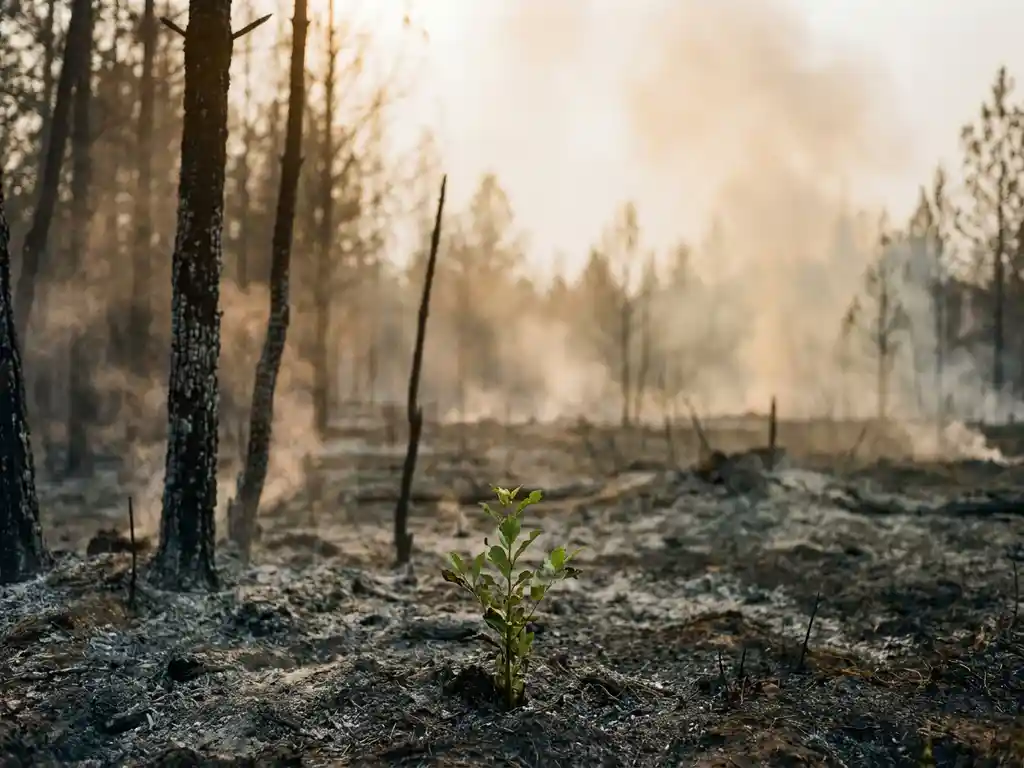
Poor fire management carries serious environmental risks that extend far beyond the immediate flames. When fires occur in industrial, commercial, or infrastructure settings, they release toxic pollutants into the air, soil, and water, contaminate surrounding ecosystems, and trigger a chain of secondary environmental damage that can persist long after the fire is extinguished. For businesses operating mission-critical equipment, understanding these risks is the first step toward preventing them.
How does an uncontrolled fire spread beyond the initial source?
An uncontrolled fire spreads beyond its initial source through a combination of heat transfer, fuel availability, and ventilation. Once ignition occurs, radiant heat and direct flame contact ignite adjacent materials, allowing the fire to escalate rapidly from a single component to an entire enclosure, room, or building. The speed and scale of that spread determine the severity of environmental harm.
In enclosed environments such as electrical cabinets or server rooms, fires can transition from a localized fault to a full enclosure fire within minutes. Combustible cable insulation, plastic housing, and circuit board materials all act as fuel sources that accelerate spread. Once a fire escapes its original enclosure, it becomes significantly harder to contain and produces far greater volumes of combustion byproducts.
The environmental impact of fire spread scales with the amount of material consumed. A fire suppressed at the object level releases a fraction of the pollutants compared to one that engulfs an entire facility. This is why early detection at the source, before spread occurs, is the most effective point of environmental intervention in fire risk management.
What toxic substances are released when electrical equipment burns?
When electrical equipment burns, it releases a range of toxic substances including hydrogen chloride, dioxins, furans, polycyclic aromatic hydrocarbons, heavy metal particulates, and carbon monoxide. These compounds are produced when synthetic polymers, flame retardants, printed circuit boards, and insulating materials combust at high temperatures. Many are classified as persistent environmental pollutants.
Printed circuit boards and electronic components often contain brominated flame retardants. When these burn, they generate brominated dioxins and furans, which are among the most environmentally persistent and toxic compounds known. These substances can settle into soil and waterways near a fire site and remain active for years.
Cable insulation made from PVC releases hydrogen chloride gas when it burns, which reacts with moisture to form hydrochloric acid. This acidic compound damages surrounding surfaces, corrodes unaffected equipment, and, when released into the atmosphere, contributes to acid deposition. Battery components, particularly lithium-ion cells increasingly found in energy storage systems, add further hazards including hydrogen fluoride and lithium compounds when they combust or undergo thermal runaway.
The cumulative effect of these emissions creates a toxic plume that affects air quality well beyond the immediate fire zone, posing risks to human health, local ecosystems, and the long-term environmental compliance status of the site.
What are the environmental risks of PFAS-based fire suppression agents?
PFAS-based fire suppression agents pose significant environmental risks because PFAS compounds, per- and polyfluoroalkyl substances, are chemically stable, do not break down naturally, and accumulate in soil, groundwater, and living organisms. When released during a suppression event, these agents contaminate surrounding environments and remain detectable for decades, earning the designation “forever chemicals.”
Aqueous film-forming foam (AFFF) and certain halon-replacement gases have historically contained PFAS compounds. When deployed, they can leach into drainage systems, contaminate groundwater supplies, and enter the food chain through bioaccumulation. Regulatory pressure on PFAS use has intensified across Europe and globally, with restrictions tightening under frameworks such as REACH and national environmental legislation.
Beyond contamination, the use of PFAS agents creates significant liability for organizations. Sites where PFAS-containing suppression agents have been discharged may require costly remediation. Businesses that continue to rely on these agents face growing compliance risk as bans and restrictions expand in 2026 and beyond.
The alternative is to use suppression systems based on inert gases such as nitrogen, which leave no chemical residue and pose no contamination risk to soil, water, or sensitive equipment. This is the approach taken by PFAS-free suppression technologies that are increasingly recognized as the sustainable standard for protecting enclosed electrical and electronic assets.
How does fire damage affect a company’s environmental compliance?
Fire damage can directly compromise a company’s environmental compliance by triggering uncontrolled releases of regulated substances, creating contaminated runoff from firefighting water, and generating hazardous waste streams that require specialist disposal. Regulatory bodies may investigate the incident, and businesses can face fines, reporting obligations, or operational restrictions as a result.
Many industries operate under environmental permits that set conditions on emissions, waste handling, and site contamination. A fire event can breach those conditions in multiple ways simultaneously. The combustion of regulated materials, the runoff of firefighting water mixed with toxic residues, and the disposal of fire-damaged equipment all create environmental liabilities that must be reported and managed.
For organizations in sectors such as pharmaceuticals, energy, and telecommunications, environmental compliance is also tied to supply chain obligations and investor reporting. A fire incident that results in a compliance breach can affect ESG ratings, supplier certifications, and customer contracts, extending the business impact well beyond the immediate physical damage.
Proactive fire risk management, including suppression systems that contain incidents at the source and use clean agents, reduces the probability and scale of compliance-triggering events. The fewer materials that combust and the fewer agents that are discharged, the narrower the environmental compliance exposure.
What is the environmental impact of equipment replacement after a fire?
Replacing fire-damaged equipment carries a substantial environmental impact through the extraction of raw materials, energy-intensive manufacturing processes, logistics emissions, and the disposal of destroyed components. For high-value electronics and electrical infrastructure, the embodied carbon and resource cost of replacement is significant and often overlooked in fire damage assessments.
Server racks, switchgear, battery energy storage systems, and high-voltage cabinets contain rare earth elements, copper, aluminum, and complex polymers that require considerable energy and resources to produce. When these assets are destroyed by fire and sent to waste streams, that embodied resource investment is lost entirely. Replacement units require new raw material extraction, manufacturing, and transport, with each stage generating its own emissions and environmental footprint.
Electronic waste from fire-damaged equipment also presents disposal challenges. Partially melted or chemically contaminated components cannot always be processed through standard recycling streams and may require specialist hazardous waste handling. This adds cost and environmental burden beyond the immediate incident.
From a lifecycle perspective, preventing fire damage through early suppression is far more resource-efficient than replacing destroyed assets. Protecting equipment at the object level, before fire spreads and causes irreparable damage, preserves both the asset value and the environmental investment already embedded in that equipment.
How can fire suppression systems reduce environmental risk at the source?
Fire suppression systems reduce environmental risk at the source by containing ignition events before they escalate, limiting the volume of toxic combustion byproducts released, and using clean suppression agents that leave no chemical residue. Object-level protection, applied directly within the enclosure where ignition is most likely to occur, is the most effective way to minimize the environmental impact of fire management.
Early detection is the critical first step. Aspirating smoke detection systems identify smoke particles at a very early stage, often before visible flames develop, allowing suppression to activate while the fire is still contained within its source enclosure. This dramatically reduces the quantity of material that burns and the resulting toxic emissions.
The choice of suppression agent matters equally. Nitrogen-based systems suppress fire by reducing oxygen concentration within the protected enclosure, extinguishing combustion without introducing any chemical compounds. Nitrogen is inert, leaves no residue, and poses no risk to soil, water, or air quality. This contrasts sharply with the PFAS-free fire suppression alternatives that are now recognized as the responsible standard for protecting sensitive environments.
Non-pressurized storage of suppression agents also eliminates the risk of accidental discharge or pressurized container failure, which can itself create environmental and safety incidents. A system that activates only when needed, precisely at the source, and deploys a clean agent represents the lowest possible environmental footprint for fire safety infrastructure.
How ExxFire helps reduce the environmental risks of poor fire management
ExxFire’s integrated fire detection and suppression systems are purpose-built to address the environmental risks that arise when fires in electrical and electronic enclosures are not contained at the source. By combining aspirating smoke detection with nitrogen-based suppression in a single, self-contained unit, ExxFire systems intervene at the earliest possible stage, before toxic combustion byproducts are released in significant quantities and before fire spreads beyond the protected enclosure.
- PFAS-free suppression: ExxFire systems use non-pressurized nitrogen gas, a clean inert agent that leaves no chemical residue and poses zero contamination risk to soil, water, or sensitive equipment.
- Early source suppression: Aspirating detection activates suppression before flames escalate, minimizing the volume of toxic substances released from burning electronics and cable materials.
- Asset preservation: By protecting equipment at the object level, ExxFire reduces the need for replacement, lowering the environmental cost of raw material extraction and manufacturing associated with fire-damaged asset replacement.
- Compliance support: Clean suppression with no hazardous discharge reduces the risk of environmental compliance breaches triggered by fire incidents.
- Maintenance-free operation: Once installed, ExxFire systems require no further maintenance or check-ups, reducing the ongoing resource burden of fire safety management.
ExxFire systems are tested and certified by CNPP in France and validated by DMT, part of TÜV Nord in Germany, ensuring they meet rigorous independent standards. To find out how ExxFire can protect your critical assets while minimizing your environmental exposure, contact the ExxFire team directly.