

What are the fire detection standards for telecom infrastructure in 2026?
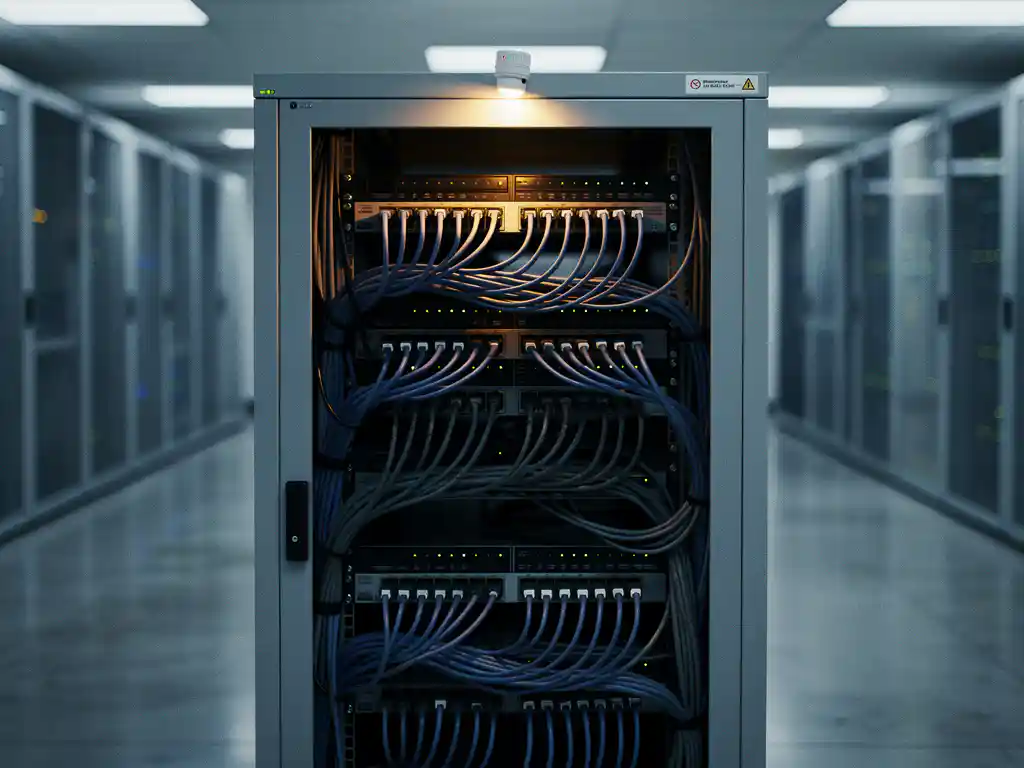
Telecom infrastructure in 2026 must comply with a combination of international and regional fire detection standards, primarily NFPA 76 in North America and EN 54 across Europe, alongside IEC 60364 electrical safety codes and local building regulations. These standards govern everything from smoke detector placement to suppression system activation thresholds. The sections below break down the key compliance questions telecom operators and facility managers are asking right now.
Which fire detection standards apply to telecom infrastructure in 2026?
The primary fire detection standards for telecom infrastructure in 2026 are NFPA 76 (Standard for the Fire Protection of Telecommunications Facilities), EN 54 (European standard for fire detection and fire alarm systems), and IEC 60364 for electrical installation safety. Which standard applies depends on the facility’s location, ownership structure, and the type of equipment housed.
NFPA 76 is the dominant framework in North America and is widely referenced internationally for large-scale telecom facilities. EN 54 governs detector performance and system design across European Union member states and many associated territories. In practice, multinational telecom operators often design to both standards simultaneously to satisfy auditors in different jurisdictions.
Beyond these two major frameworks, telecom sites may also need to align with FM Global data sheets (particularly FM 5-32 for telecommunications facilities), local building codes, and insurer-specific requirements. Battery Energy Storage Systems on telecom sites introduce additional compliance layers, including IEC 62619 and NFPA 855, which specifically address lithium-ion fire risks.
How do NFPA 76 and EN 54 differ for telecom fire protection?
NFPA 76 is a facility-level standard that specifies how an entire telecom building or room should be protected, including suppression systems, detection zoning, and operational procedures. EN 54, by contrast, is a product and system performance standard that defines how individual fire detectors and control panels must behave, rather than prescribing facility layout. The two standards are complementary rather than competing.
Under NFPA 76, telecom operators must address specific room classifications, cable management fire loads, and suppression agent selection. The standard explicitly recommends early warning fire detection technologies such as aspirating smoke detection (ASD) because telecom equipment generates low-particulate smoke in the early smoldering stages that conventional point detectors may miss.
EN 54 sets out performance criteria that detectors must meet before they can be installed in any regulated European facility. A detector carrying EN 54 certification has passed standardized sensitivity, false alarm, and environmental tests. When a European telecom operator selects detection equipment, EN 54 compliance is the baseline requirement, while NFPA 76 or national fire codes determine how that equipment is deployed within the facility.
What types of fire detection are required in telecom equipment rooms?
Telecom equipment rooms require early warning smoke detection as the minimum standard, with aspirating smoke detection systems strongly preferred in spaces housing active switching, routing, or transmission equipment. Point-type ionization and photoelectric detectors are acceptable in ancillary spaces, but they are too slow for the smoldering fires that develop inside densely packed electronic enclosures.
The reasoning is straightforward: electronic fires in telecom environments typically begin as slow thermal degradation inside a cabinet or rack, producing very fine smoke particles at concentrations far below the threshold that triggers a standard point detector. Aspirating systems draw air samples continuously and can detect smoke at much earlier stages, giving operators time to investigate before suppression activates.
In addition to smoke detection, telecom rooms may require:
- Under-floor detection in raised-floor environments where cable trays concentrate the fire load
- In-cabinet detection for high-density server or switching enclosures
- Heat detection in areas where smoke detection is impractical due to airflow or contamination
- Gas detection where battery backup systems are present
NFPA 76 specifically calls for detection at the ceiling level, under raised floors, and within equipment enclosures where the fire load justifies it. Many modern fire suppression systems for telecom enclosures integrate detection and suppression into a single unit, reducing installation complexity and ensuring the detection point is as close as possible to the ignition risk.
Are PFAS-free suppression systems compliant with telecom fire standards?
Yes, PFAS-free suppression systems are fully compliant with telecom fire standards including NFPA 76 and EN 54, provided they use an approved suppression agent and meet the relevant system performance requirements. Inert gas systems using nitrogen, argon, or similar clean agents are explicitly recognized by NFPA 2001 (Clean Agent Fire Extinguishing Systems) and ISO 14520, both of which are referenced in telecom fire protection design.
The shift away from PFAS-containing agents has accelerated significantly following EU regulatory restrictions and growing pressure from insurers and sustainability frameworks. Traditional aqueous film-forming foam (AFFF) and some halon alternatives contain per- and polyfluoroalkyl substances that persist in the environment and are increasingly restricted or banned outright in many jurisdictions.
Nitrogen-based suppression is particularly well suited to telecom enclosures because it leaves no chemical residue, causes no secondary damage to sensitive electronics, and does not require decontamination after discharge. This directly supports business continuity, which is a core concern in telecom environments where downtime carries significant financial and reputational consequences. Operators specifying new systems in 2026 should verify that their chosen suppression agent is listed under NFPA 2001 or ISO 14520 and that the system design has been independently tested and certified.
What are the fire safety compliance requirements for BESS in telecom sites?
Battery Energy Storage Systems (BESS) on telecom sites must comply with NFPA 855 (Standard for the Installation of Stationary Energy Storage Systems), IEC 62619 (Safety requirements for secondary lithium cells and batteries for use in industrial applications), and any applicable local building or fire codes. These requirements address thermal runaway prevention, detection, suppression, and ventilation specific to lithium-ion battery chemistry.
NFPA 855 sets minimum separation distances, suppression system requirements, and operational safeguards for BESS installations. It distinguishes between indoor and outdoor deployments and scales requirements based on energy capacity thresholds. Telecom operators integrating BESS for backup power or grid services need to treat these units as a distinct fire risk category rather than an extension of the existing electrical cabinet protection strategy.
Thermal runaway in lithium-ion batteries produces toxic gases, extreme heat, and a risk of re-ignition that standard suppression approaches may not fully address. Compliance best practice in 2026 includes:
- Early gas detection (hydrogen and carbon monoxide sensors) to identify pre-thermal runaway conditions
- In-rack or in-cabinet suppression capable of cooling individual cells
- Automatic isolation of electrical supply on detection
- Documented emergency response procedures aligned with local fire service requirements
How should telecom operators document fire safety compliance?
Telecom operators should document fire safety compliance through a structured fire protection plan that includes a site-specific risk assessment, a schedule of installed detection and suppression equipment with certification records, maintenance logs, and evidence of staff training. This documentation package satisfies auditors, insurers, and regulators across most major jurisdictions.
The fire protection plan should reference the specific standards the site is designed to meet, such as NFPA 76 or local equivalents, and include as-built drawings showing detector placement, suppression zones, and panel connections. Equipment certifications from recognized bodies such as CNPP, UL, FM Approvals, or TÜV should be retained alongside the installation records.
Ongoing compliance requires scheduled inspection and testing. NFPA 72 (National Fire Alarm and Signaling Code) and EN 54 Part 14 both specify inspection intervals for detection systems. Suppression systems have their own service schedules under NFPA 2001 or ISO 14520. Operators should maintain a compliance calendar that tracks all required inspection dates and records test outcomes systematically.
For multi-site telecom operators, centralizing compliance documentation in a single asset management or facility management platform reduces audit preparation time and makes it easier to demonstrate consistent standards across the estate.
How ExxFire supports telecom infrastructure fire safety compliance
ExxFire’s integrated fire detection and suppression systems are purpose-built for the enclosed, high-value equipment environments that define telecom infrastructure. The systems combine aspirating smoke detection with non-pressurized nitrogen gas suppression in a single pre-engineered unit, directly addressing the early warning and clean suppression requirements that NFPA 76 and EN 54 demand.
Key features relevant to telecom operators and compliance managers include:
- Aspirating smoke detection that identifies fire at the earliest smoldering stage, well before conventional detectors would activate
- Nitrogen-based suppression that leaves no chemical residue and causes no secondary damage to sensitive electronics or cabling
- PFAS-free technology that meets current and anticipated regulatory requirements across EU and international markets
- Pre-engineered design tested and certified by CNPP France, supporting straightforward documentation for compliance audits
- Built-in relay outputs that connect to existing fire alarm panels, integrating with the broader site fire safety infrastructure without requiring system redesign
- Scalable protection for individual cabinets up to 4.5 m³, with interconnectable units for larger enclosures
If you are reviewing fire detection standards for telecom infrastructure or specifying suppression systems for a new or upgraded site, contact the ExxFire team to discuss your specific protection requirements and receive technical documentation for your compliance file.
Related Articles
- How does fire management differ between countries?
- What is the difference between wildfire suppression and fire management?
- What are the legal requirements for fire management on private land?
- What is defensible space and how does it prevent wildfire damage?
- How do you prevent fires while cooking on a gas stove?