

What are the fire risks in retail environments?
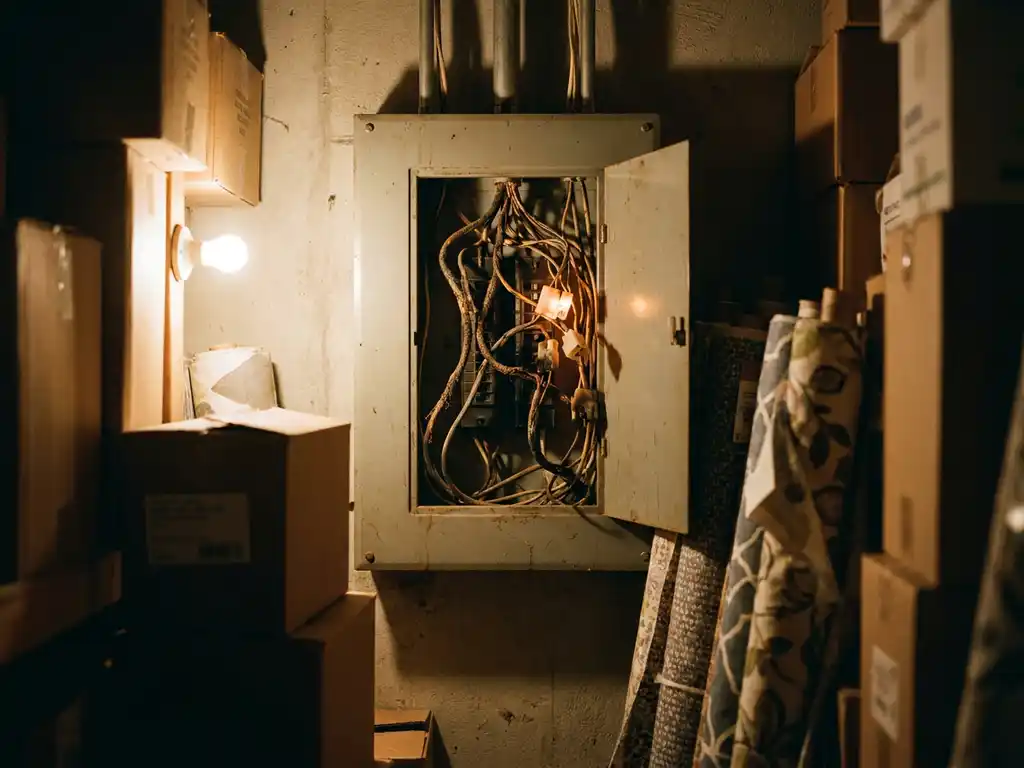
Retail environments face a wide range of fire risks, from electrical faults and overloaded circuits to flammable stock, poor housekeeping, and arson. The combination of high footfall, dense merchandise, complex electrical infrastructure, and 24/7 operational pressure makes retail stores particularly vulnerable to fire incidents. The sections below break down where those risks come from, which areas are most exposed, and what retailers can do to protect their operations.
What causes most fires in retail environments?
The most common causes of fires in retail environments are electrical faults, arson, and the accidental ignition of flammable materials. Electrical issues account for a significant share of retail fires, particularly in stores with aging wiring, overloaded power circuits, or poorly maintained equipment. Arson is also a leading cause, especially in unoccupied premises during overnight hours.
Beyond those primary drivers, several contributing factors increase ignition risk in retail settings:
- Overloaded electrical sockets and extension cables used to power display lighting, point-of-sale systems, and back-office equipment
- Flammable stock and packaging materials stored in high volumes, particularly in stockrooms and loading areas
- Cooking equipment in food retail or cafeteria areas where grease buildup and unattended appliances are common hazards
- Poor housekeeping such as cardboard, waste paper, and packaging left near heat sources
- Heating systems that are poorly maintained or placed too close to combustible materials
Understanding what ignites fires in retail is the first step toward addressing fire hazards in retail stores systematically rather than reactively.
Which areas of a retail store carry the highest fire risk?
The highest fire risk areas in a retail store are stockrooms, electrical plant rooms, server and ICT rooms, loading bays, and any area where high-density merchandise or electrical equipment is concentrated. These zones combine fuel load with ignition sources, creating conditions where a small fire can escalate rapidly.
Stockrooms and back-of-house areas are particularly hazardous because they hold large quantities of combustible packaging, are often monitored less than the shop floor, and may have restricted access that delays detection. Loading bays present similar risks due to vehicle proximity, fuel, and the constant movement of goods.
Electrical plant rooms and server rooms deserve special attention. These spaces house critical infrastructure that, if damaged, can bring an entire retail operation to a standstill. A fire in an electrical cabinet or server rack not only destroys hardware but can spread rapidly through cable runs and conduits to other parts of the building. Retail operations that rely on point-of-sale systems, inventory management software, or networked security cameras are especially exposed when these areas lack dedicated fire protection.
How does electrical equipment contribute to retail fire risk?
Electrical equipment contributes to retail fire risk primarily through overheating, faulty wiring, and component failure. Retail environments run a high volume of electrical loads simultaneously, including lighting, refrigeration, payment terminals, display screens, security systems, and back-office servers. When this infrastructure is aging, poorly maintained, or overloaded, the risk of an electrical fault triggering a fire increases substantially.
Switchgear and distribution boards are common ignition points. A fault in a high-voltage cabinet can produce an arc flash or sustained smoldering that, if undetected, develops into a full fire. The same applies to server racks and ICT cabinets, where heat buildup from continuous operation can cause component failure or cable insulation to degrade over time.
One of the challenges with electrical fires in retail is that they often start inside enclosed equipment where standard smoke detectors may not respond quickly enough. By the time heat or smoke reaches a ceiling-mounted detector, significant internal damage may already have occurred. This is why object-level fire protection, installed directly inside or adjacent to electrical enclosures, is increasingly recognized as a critical layer of retail fire safety.
What are the consequences of a fire in a retail store?
A fire in a retail store can result in significant financial loss, prolonged operational downtime, reputational damage, and in serious cases, injury or loss of life. Even a contained fire that does not spread beyond a single cabinet or stockroom can cause substantial disruption if it destroys critical systems or forces a temporary closure.
The consequences extend well beyond the immediate physical damage:
- Operational downtime from damaged point-of-sale systems, network infrastructure, or inventory management hardware can halt trading for days or weeks
- Hardware replacement costs for servers, switchgear, and electrical cabinets are high, and sourcing lead times can extend the period of disruption
- Data loss if server rooms or backup systems are affected, potentially impacting customer records, financial data, and compliance obligations
- Regulatory and insurance consequences if fire safety obligations were not met at the time of the incident
- Reputational impact from store closures, news coverage, or customer-facing disruption
For retail chains operating multiple locations, a fire at a distribution hub or central data facility can have a cascading effect across the entire network. Business continuity planning must account for fire as a realistic operational risk, not just a building safety concern.
How can retailers reduce fire risk in high-value equipment areas?
Retailers can reduce fire risk in high-value equipment areas by combining early detection with targeted suppression at the object level, ensuring that electrical cabinets, server racks, and switchgear are protected close to the potential source of ignition. Relying solely on building-wide fire suppression systems leaves a gap in protection for the equipment most critical to daily operations.
Practical steps retailers should take include:
- Install object-level fire detection and suppression inside or directly adjacent to electrical enclosures, server racks, and ICT cabinets
- Conduct regular electrical inspections to identify overloaded circuits, deteriorating cable insulation, and aging switchgear
- Maintain clear separation between combustible materials and heat-generating equipment in stockrooms and plant areas
- Implement access controls and monitoring in high-risk areas to ensure faults are identified and reported promptly
- Test and maintain all fire detection systems on a scheduled basis, including any smoke detectors installed inside equipment enclosures
- Train staff to recognize early warning signs of electrical issues and understand evacuation and reporting procedures
For retailers managing large volumes of electrical infrastructure, aspirating smoke detection, which draws air samples directly from inside an enclosure for continuous monitoring, provides significantly faster detection than conventional point detectors. Pairing this with a clean suppression agent that leaves no residue on sensitive electronics ensures that fire is controlled without causing secondary damage to the equipment itself.
What fire safety regulations apply to retail environments?
Fire safety regulations for retail environments vary by country, but most jurisdictions require retailers to conduct a fire risk assessment, implement appropriate detection and suppression measures, maintain clear escape routes, and ensure staff are trained in fire safety procedures. In many regions, compliance is enforced through building codes, workplace safety legislation, and insurance requirements.
In the United Kingdom, the Regulatory Reform (Fire Safety) Order 2005 places a legal duty on the “responsible person” of a commercial premises to carry out and regularly review a fire risk assessment. Similar frameworks exist across the European Union, where national fire safety laws are informed by harmonized standards for detection and suppression equipment.
Key regulatory areas retailers should be aware of include:
- Fire risk assessments that identify hazards, evaluate the adequacy of existing controls, and document corrective actions
- Equipment certification for fire detection and suppression systems, which must meet recognized testing standards to be compliant and insurable
- PFAS restrictions, which are tightening across Europe and other markets, affecting the continued use of certain foam-based fire suppression agents
- Maintenance and inspection records for all fire safety systems, required to demonstrate ongoing compliance
- Staff training obligations, including fire warden designation and documented evacuation drills
Retailers operating across multiple countries should work with fire safety specialists familiar with local regulatory requirements, as standards for suppression agents, detection system certification, and inspection frequency can differ significantly between markets.
How ExxFire helps protect retail environments from fire
ExxFire provides combined fire detection and suppression systems specifically designed to protect the enclosed electrical equipment that retail operations depend on. For retailers looking to address fire risks in retail environments without disrupting operations or replacing entire fire safety infrastructure, ExxFire’s systems offer a targeted, practical solution.
- Aspirating smoke detection identifies smoke at the earliest stage, directly inside server racks, switchgear, and electrical cabinets
- Non-pressurized nitrogen suppression extinguishes fire at the source without leaving chemical residues that could damage sensitive electronics
- PFAS-free technology ensures compliance with tightening environmental regulations across European and global markets
- Easy installation with no special certification required, and no ongoing maintenance after commissioning
- Integration with existing fire panels via built-in relays, so the system fits seamlessly into current retail fire safety infrastructure
- Tested and certified by CNPP France and DMT/TÜV Nord, providing the documented compliance evidence insurers and regulators require
Whether protecting a single server room or a network of electrical cabinets across multiple retail sites, ExxFire’s fire suppression systems are built to keep critical equipment running and business continuity protected. Contact ExxFire to discuss the right fire protection solution for your retail environment.