

What are the fire risks linked to dust accumulation in industrial settings?
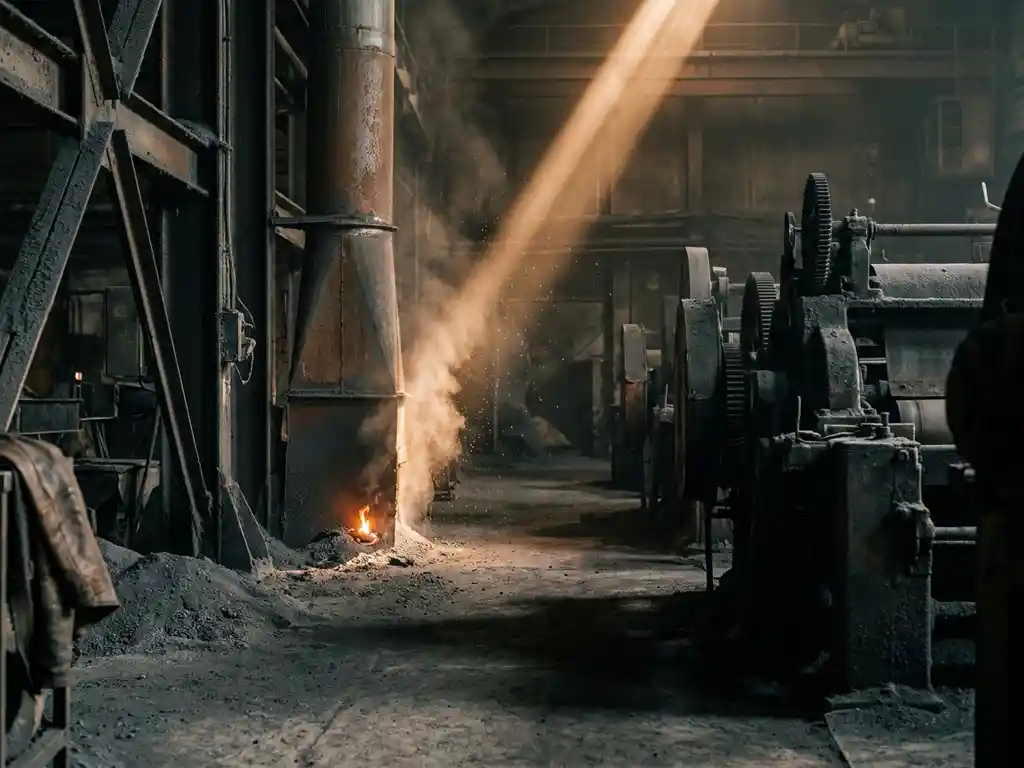
Dust accumulation is a serious fire hazard in industrial settings. When fine particles collect on hot surfaces, electrical components, or inside equipment enclosures, they can ignite and spread flames rapidly. In environments with combustible dust, the risk extends beyond ordinary fire to include powerful dust explosions. This article covers the key questions around dust-related fire risks, the equipment most affected, and how to reduce exposure.
How does dust accumulation become a fire hazard?
Dust accumulation becomes a fire hazard when fine particles settle on or near heat sources, electrical components, or open flames and reach an ignition temperature. Even dust that appears harmless in small quantities can form a flammable layer over time. When disturbed, airborne dust clouds can ignite explosively, turning a localized smolder into a fast-moving fire or blast.
The core mechanism is straightforward: dust increases surface area. A solid block of material burns slowly, but the same material ground into fine particles exposes far more surface area to oxygen, making combustion dramatically faster and more intense. In industrial environments, this effect is compounded by continuous production processes that generate dust constantly, poor ventilation that allows particles to settle in hidden areas, and equipment that runs hot enough to serve as an ignition source.
Industrial facilities are particularly vulnerable because dust is often an unavoidable byproduct of manufacturing, processing, or handling raw materials. Without regular cleaning protocols and protective systems in place, the gradual buildup of dust inside and around equipment creates a persistent, often underestimated fire risk.
What types of industrial dust are most combustible?
The most combustible industrial dusts are those derived from organic materials, metals, and certain synthetic compounds. Wood dust, grain dust, coal dust, sugar, and flour are among the most commonly cited combustible dusts in industrial environments. Metal dusts, including aluminum, magnesium, and titanium, are particularly dangerous because they can ignite at relatively low temperatures and burn with intense heat.
Combustibility depends on several factors: particle size, moisture content, concentration in air, and the minimum ignition energy required to trigger combustion. Finer particles are more hazardous because they stay airborne longer and combust more readily. Dust with a particle size below 500 microns is generally considered potentially explosive under the right conditions.
Other high-risk dust categories include:
- Pharmaceutical and chemical powders, which are often highly reactive
- Plastic and rubber dust from manufacturing processes
- Carbon black and graphite dust from electrical or mechanical operations
- Textile fibers in fabric and garment production facilities
Even dust that is not inherently flammable can become a secondary hazard by blanketing electrical components, restricting airflow, and trapping heat in ways that increase ignition risk for nearby materials.
What equipment and areas are most at risk from dust buildup?
Electrical cabinets, switchgear panels, motor control centers, conveyor systems, and ventilation ducts are the equipment and areas most at risk from dust buildup in industrial settings. Any location where heat is generated and airflow is restricted creates conditions where dust can accumulate and eventually ignite.
Electrical enclosures are especially vulnerable because they draw in air for cooling, which also pulls in airborne particles. Over time, dust layers coat internal components, insulating them from heat dissipation and increasing the risk of overheating. Arcing events inside a cabinet can ignite accumulated dust almost instantly.
Other high-risk areas include:
- Grinding and cutting stations where fine metal or wood particles are generated continuously
- Storage silos and hoppers in food and grain processing
- Dust collection systems themselves, which concentrate combustible particles in one location
- Overhead beams, ledges, and cable trays where dust settles invisibly over time
- Battery energy storage systems (BESS) and high-voltage cabinets in energy-intensive facilities
The hidden nature of many of these accumulation points is what makes them so dangerous. Dust inside an electrical cabinet or behind a control panel is not visible during routine walkthroughs, which means it can build up undetected for months.
How does dust cause fires inside electrical cabinets and switchgear?
Dust causes fires inside electrical cabinets and switchgear primarily through three mechanisms: thermal insulation leading to overheating, electrical tracking across contaminated surfaces, and direct ignition from arcing or sparking. Each of these can trigger a fire independently, and in practice, they often combine to accelerate the process.
When dust coats circuit boards, busbars, or cooling fins, it acts as an insulating layer that prevents heat from dissipating normally. Components that are designed to operate within specific temperature ranges begin to overheat, degrading insulation and increasing the likelihood of a fault. Over time, this thermal stress can cause component failure that generates enough heat or a spark to ignite the surrounding dust layer.
Electrical tracking occurs when conductive dust, or dust that has absorbed moisture, bridges the gap between two conductors at different potentials. This creates a low-resistance path for current to flow where it should not, generating heat and potentially igniting the dust itself or nearby insulation materials.
Arcing is the most immediate ignition source. A loose connection, a failing component, or a short circuit inside a dusty cabinet can produce an arc with a surface temperature high enough to ignite almost any combustible material. In a dust-laden environment, this can escalate from a localized arc to a sustained fire within seconds.
What are the warning signs of dangerous dust accumulation?
The warning signs of dangerous dust accumulation include visible dust layers on or near electrical equipment, unexplained overheating of cabinets or panels, increased frequency of tripped breakers or blown fuses, and unusual smells such as burning plastic or overheated metal. These indicators suggest that dust is already affecting equipment performance and that fire risk has increased significantly.
Facilities should treat the following as actionable warning signals:
- Visible dust deposits on vents, louvers, or the exterior of electrical enclosures
- Higher than normal operating temperatures reported by thermal monitoring systems
- Discoloration or scorch marks on cabinet surfaces or nearby structures
- Increased static electricity in areas with fine particle generation
- Smoke detector activations without an identified cause, which can indicate smoldering inside enclosures
- Reduced airflow through ventilation systems caused by dust-clogged filters or ducts
Many of these signs are subtle and easy to overlook during routine operations. Establishing a structured inspection schedule and using aspirating smoke detection inside critical enclosures can catch early-stage problems before they develop into a full fire event.
How can fire suppression systems protect dust-prone industrial equipment?
Fire suppression systems protect dust-prone industrial equipment by detecting combustion at the earliest possible stage and delivering a suppression agent directly at the source before fire spreads. For electrical cabinets and enclosed equipment, object-level protection, where suppression is built into the enclosure itself, is the most effective approach because it addresses the fire at its point of origin rather than reacting after it has already spread.
In environments where dust accumulation is a known risk, conventional room-level suppression systems often respond too slowly or use agents that can damage sensitive electronics or leave residues that compound the problem. Nitrogen-based suppression systems are particularly well-suited to these environments because nitrogen is clean, leaves no chemical residue, and extinguishes fire by reducing oxygen levels without introducing moisture or corrosive compounds.
Early smoke detection is equally critical. Aspirating smoke detection systems continuously sample air from inside enclosures and can identify combustion particles long before a visible flame develops. This early warning allows suppression to activate at the smoldering stage, when damage is still limited and recovery is far simpler.
How ExxFire helps protect industrial equipment from dust-related fire risks
ExxFire’s integrated fire detection and suppression systems are designed specifically for the kind of enclosed, dust-prone equipment environments described throughout this article. Key features include:
- Aspirating smoke detection that continuously monitors air inside cabinets and enclosures, catching combustion at the earliest stage
- Non-pressurized nitrogen gas suppression using the patented Cool Gas Generator, which leaves no chemical residue and causes no secondary damage to sensitive electronics
- PFAS-free technology, making it a clean and compliant alternative to legacy suppression agents
- Easy self-installation with no special certification required, and no ongoing maintenance once commissioned
- Scalable protection for enclosures up to 4.5 m³, with multiple units interconnectable for larger volumes
- Relay-based reporting to existing fire panels, ensuring seamless integration with site-wide safety infrastructure
Systems are tested and certified by CNPP in France and validated by DMT, part of TÜV Nord in Germany, giving industrial operators confidence in their performance in real-world conditions. Whether you are protecting switchgear, motor control centers, battery energy storage systems, or server infrastructure in dusty environments, ExxFire provides targeted, object-level protection that limits damage, reduces downtime, and supports business continuity.
To learn more or discuss the right solution for your facility, contact the ExxFire team directly.
Related Articles
- Can a single suppression system meet both EN54 and NFPA standards?
- How do fire safety standards impact the design of electrical enclosures?
- How do you know if your home is a high fire risk?
- What are the fire prevention standards for commercial buildings in 2026?
- Can existing fire suppression systems be upgraded to reduce environmental impact?