

What are the hidden fire risks in your home?
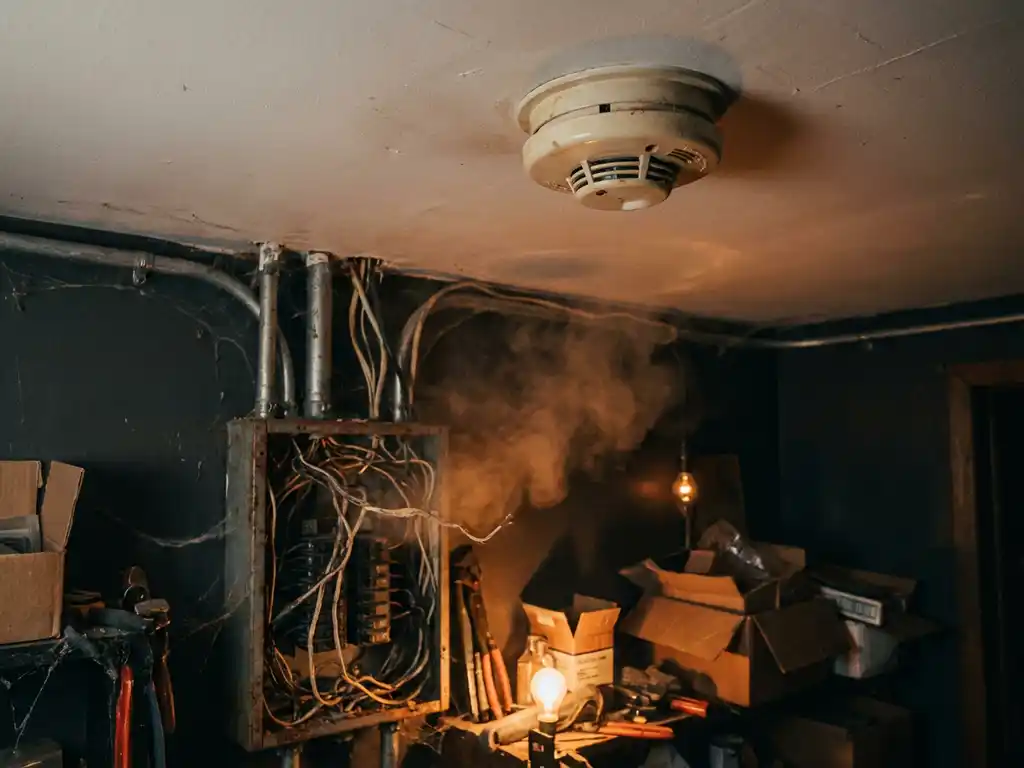
Hidden fire risks at home are more common than most people realize, and they often lurk in places that look completely ordinary. Electrical faults, aging appliances, lithium-ion batteries, and overlooked kitchen habits are among the most frequent causes of residential fires. Understanding where these risks hide is the first step toward preventing them, and this article works through the most important questions room by room and hazard by hazard.
Where do most house fires actually start?
Most house fires start in the kitchen, followed closely by electrical systems, bedrooms, and laundry areas. Cooking is the leading cause of residential fires in most countries, but electrical faults and heating equipment account for a disproportionate share of the most destructive and deadly blazes. The common thread is that many of these fires begin in ways that are entirely preventable.
What makes this pattern significant is that fires rarely start from a single dramatic event. Instead, they develop from accumulated neglect: a grease buildup on a stovetop, a frayed extension cord tucked behind furniture, or a dryer lint trap that has not been cleaned in months. These are not dramatic failures. They are slow-building hazards that cross a threshold at the wrong moment.
Understanding where fires typically originate helps homeowners prioritize where to focus their attention. The sections below cover the most common and most overlooked sources of fire risk in a typical home.
What electrical hazards are hiding in plain sight?
Electrical fire hazards at home include overloaded circuits, damaged wiring, faulty outlets, and the misuse of extension cords. These hazards are dangerous precisely because they are invisible during normal use. A circuit that is silently overloaded or a wire that has been chafed behind a wall gives no obvious warning before it ignites surrounding materials.
Some of the most common electrical fire hazards found in homes include:
- Overloaded power strips and extension cords: Plugging too many high-draw appliances into a single strip generates heat that the cord is not rated to handle safely.
- Old or damaged wiring: Homes built several decades ago may have wiring that was not designed for modern electrical loads. Insulation deteriorates over time, increasing the risk of arcing.
- Loose or faulty outlets: An outlet that feels warm to the touch or causes lights to flicker is a warning sign that should not be ignored.
- Appliances left plugged in when not in use: Even when switched off, some appliances draw current and generate low-level heat that can become a problem over time.
- DIY electrical work: Improperly installed fixtures, switches, or wiring connections are a leading cause of hidden electrical faults.
The most effective step homeowners can take is to have older electrical systems inspected by a qualified electrician. Beyond that, avoiding the daisy-chaining of extension cords, replacing damaged cables immediately, and not covering power strips with rugs or furniture significantly reduces electrical fire risk.
Why are lithium-ion batteries a growing fire risk at home?
Lithium-ion batteries are a growing home fire risk because they can enter a self-sustaining chemical reaction called thermal runaway, which generates intense heat and can cause a fire that is extremely difficult to extinguish. As lithium-ion-powered devices proliferate in homes, from laptops and phones to e-bikes and power tools, exposure to this risk increases.
Thermal runaway can be triggered by physical damage to the battery, overcharging, exposure to high temperatures, or manufacturing defects. Once it begins, the process accelerates rapidly. The resulting fire burns at very high temperatures and can reignite even after it appears to be out, which makes it particularly dangerous in enclosed spaces.
Practical steps to reduce lithium-ion battery fire risk at home include:
- Only use the charger supplied with the device or a certified replacement
- Avoid charging batteries overnight or when you are not present
- Do not charge devices on soft surfaces like beds or sofas where heat cannot dissipate
- Replace batteries that show signs of swelling, overheating, or reduced performance
- Store e-bikes, e-scooters, and similar devices away from exits and sleeping areas
The rise of home energy storage systems adds another dimension to this risk. Residential battery packs installed for solar storage represent a significant concentration of lithium-ion energy in a single enclosure, and protecting them with dedicated fire suppression is increasingly considered best practice rather than an optional extra.
What are the most overlooked fire hazards in kitchens and laundry rooms?
The most overlooked fire hazards in kitchens and laundry rooms are grease accumulation, unattended cooking, clogged dryer vents, and the proximity of flammable materials to heat sources. These hazards are so familiar that they tend to be normalized, which is exactly what makes them dangerous.
Kitchen fire risks that are easy to miss
Cooking fires most often start when food or grease is left unattended on a hot burner. But beyond the obvious risk of forgetting something on the stove, there are subtler hazards. Grease that accumulates on extractor fan filters becomes highly flammable over time. Dish towels, paper towels, and wooden utensils stored close to the hob can catch fire from a momentary flare-up. Toasters and toaster ovens that have not been cleaned of crumbs create a fire risk every time they are used.
Laundry room hazards that are frequently underestimated
Dryers are responsible for a significant number of home fires each year, and the cause is almost always the same: lint. Lint is highly flammable, and when it accumulates in the dryer vent duct rather than just the trap, it can ignite from the heat of normal operation. Vents that are partially blocked also cause the dryer to run hotter, accelerating the problem. Cleaning the lint trap after every load is well known, but cleaning the full vent duct at least once a year is far less commonly practiced.
How can you detect a fire risk before it becomes a fire?
You can detect a fire risk before it becomes a fire by combining working smoke alarms with attentive observation of early warning signs. Smoke alarms provide a critical last line of defense, but many fire risks give off detectable signals long before any smoke appears, including unusual smells, warm surfaces, flickering lights, and visible damage to cables or appliances.
Key early warning signs that should prompt immediate investigation include:
- A persistent burning or plastic smell with no obvious source
- Outlets or switch plates that feel warm or show scorch marks
- Circuit breakers that trip repeatedly on the same circuit
- Appliances that make unusual sounds, run hotter than normal, or spark
- A dryer that takes longer than usual to dry clothes (a sign of restricted airflow)
- Swollen or discolored battery packs
Smoke alarms should be tested monthly and replaced every ten years. Placing them on every level of the home, inside each bedroom, and outside sleeping areas meets the minimum standard recommended by most fire safety authorities. For higher-risk areas such as utility rooms or spaces housing battery storage, more advanced detection options are available.
What steps reduce hidden fire risks in your home?
Reducing hidden fire risks at home requires a combination of regular maintenance, safe habits, and appropriate detection. No single step eliminates all risk, but a consistent routine covering the most common hazard areas significantly lowers the probability of a fire starting or spreading.
A practical fire prevention checklist for homeowners includes:
- Test smoke alarms monthly and replace batteries annually or when the low-battery signal sounds
- Have electrical systems inspected if your home is more than 25 years old or if you notice any of the warning signs listed above
- Clean dryer vents annually and never run the dryer when you are asleep or away from home
- Keep flammable materials away from heat sources in the kitchen, utility room, and garage
- Follow safe charging practices for all lithium-ion devices and replace damaged batteries promptly
- Avoid overloading circuits and replace damaged extension cords rather than repairing them with tape
- Create and practice a home escape plan so that every household member knows what to do if a fire does break out
Fire prevention is most effective when it becomes routine rather than reactive. The hazards described in this article do not announce themselves. They develop quietly, which is why regular checks and consistent habits matter more than any single intervention.
How ExxFire helps protect against fire risks in enclosed equipment
While the steps above address fire safety at home broadly, some environments, particularly those containing battery storage systems, electrical enclosures, or sensitive electronics, benefit from a more targeted layer of protection. ExxFire’s combined fire detection and suppression systems are designed precisely for these situations.
- Early smoke detection: Aspirating smoke detection identifies fire at the earliest possible stage, before a flame develops
- Clean nitrogen suppression: The patented Cool Gas Generator extinguishes fire using non-pressurized nitrogen gas, leaving no chemical residue that could damage electronics or components
- PFAS-free and environmentally safe: ExxFire systems contain no PFAS compounds, making them a responsible choice for both people and the environment
- Easy installation and zero maintenance: Systems can be self-installed without special certification and require no ongoing maintenance after commissioning
- Flexible application: Suitable for server racks, electrical cabinets, battery energy storage systems, and other enclosed enclosures up to 4.5 m³
If you are looking to add an advanced, certified layer of fire protection to a high-value enclosure in your home or facility, explore ExxFire’s solutions to find the right system for your application.
Related Articles
- What should you ask a supplier before purchasing cabinet fire protection?
- How do animal habitats influence fire management decisions?
- How does fire prevention differ for apartments vs. Houses?
- Why is fire prevention important in the workplace?
- What is the difference between clean agent and conventional fire suppression?