

What are the most dangerous fire hazards in older homes?
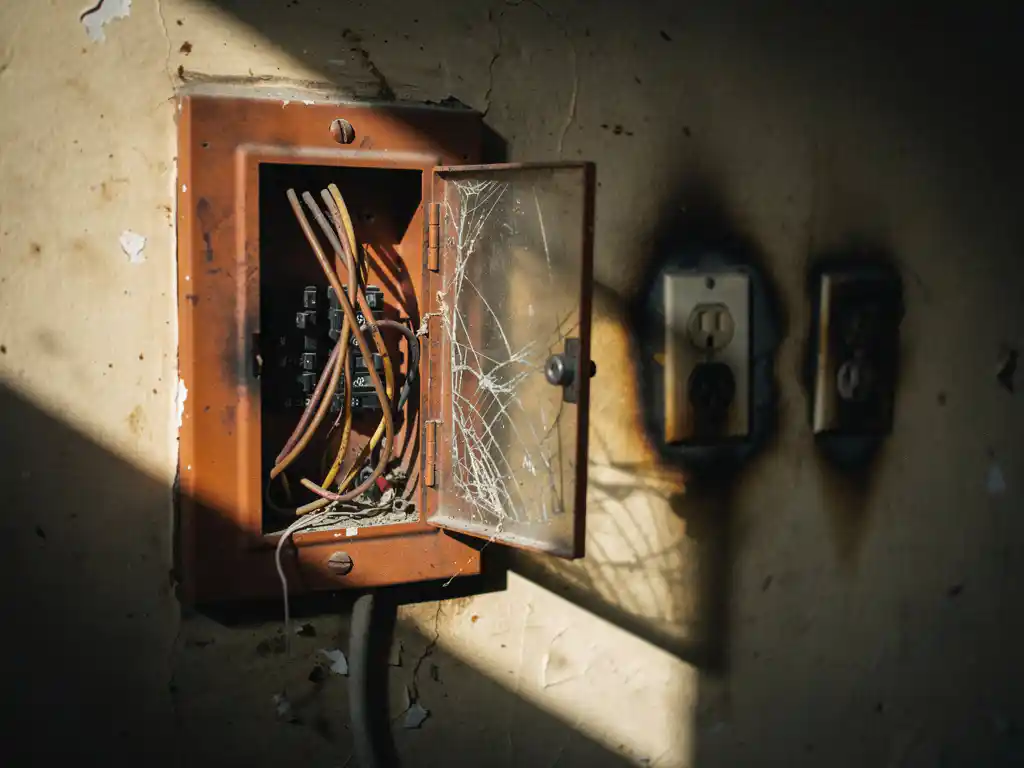
Older homes carry significantly higher fire risks than modern construction due to outdated electrical systems, aging heating equipment, and building materials that were never designed to meet today’s fire safety standards. The most dangerous hazards include deteriorated wiring, obsolete fuse boxes, old furnaces, and highly combustible wall and ceiling materials. The sections below break down each of these risks in detail and explain where they are most likely to cause harm.
What makes older homes more vulnerable to fire than newer ones?
Older homes are more vulnerable to fire because they were built before modern fire safety codes existed, using materials and systems that have since been identified as serious hazards. Decades of wear and tear compound these risks, while the absence of modern suppression and detection technology means fires can grow undetected for longer.
Modern building codes require fire-resistant materials, arc-fault circuit interrupters, and smoke alarms in every room. Homes built before these standards were introduced often have none of these protections in place. Without retrofitting, the gap between an older property and a modern one in terms of fire safety can be substantial.
There is also the issue of deferred maintenance. Older homes frequently have systems that were installed decades ago and have never been fully updated. Wiring insulation becomes brittle, heating ducts accumulate debris, and ventilation systems develop cracks that allow heat and sparks to reach combustible surfaces. Each of these factors independently raises fire risk, and in combination they create an environment where a small ignition source can quickly become a serious blaze.
What are the most common electrical fire hazards in older homes?
The most common electrical fire hazards in older homes are outdated wiring systems, overloaded circuits, and obsolete fuse boxes that cannot safely handle modern electrical loads. Knob-and-tube wiring, aluminum wiring from the mid-20th century, and deteriorating insulation are particularly dangerous and are found in a large share of pre-1980s properties.
Knob-and-tube wiring, common in homes built before the 1940s, lacks a ground wire and was not designed for the electrical demand of modern appliances. When insulation around these wires degrades, exposed conductors can arc against surrounding wood framing and ignite a fire inside walls where it can go undetected for a long time.
Aluminum wiring, widely used in the 1960s and 1970s as a cheaper alternative to copper, expands and contracts at a different rate than the connectors and outlets it is attached to. Over time, this creates loose connections that generate heat. Homes with aluminum wiring are statistically far more likely to experience electrical fires than those with copper wiring.
Older fuse boxes present their own set of problems. Homeowners sometimes replace blown fuses with ones rated at a higher amperage, which allows wiring to carry more current than it was designed for. This is one of the most direct causes of electrical fires in older properties. Upgrading to a modern circuit breaker panel is one of the most impactful steps an older home can take toward reducing outdated wiring fire risk.
How does old plumbing and heating equipment increase fire risk?
Old heating equipment increases fire risk in older homes primarily through failing components, accumulated debris, and proximity to combustible materials. Furnaces, boilers, and water heaters that are decades past their intended service life are more likely to malfunction, overheat, or produce sparks that reach surrounding structures.
Chimneys attached to older heating systems are a particularly serious concern. Creosote, a byproduct of burning wood, builds up inside chimney flues over time. If this deposit ignites, a chimney fire can reach temperatures high enough to crack masonry and spread flames into wall cavities. Older chimneys without modern steel liners are especially susceptible to this kind of failure.
Older gas furnaces and boilers may also have cracked heat exchangers, which can cause combustion gases to mix with heated air and create conditions for ignition. Flexible gas connectors made from materials that were standard decades ago can become brittle and develop leaks, introducing a fuel source near an ignition point.
Portable space heaters are frequently used in older homes to supplement inadequate central heating. When placed near curtains, furniture, or rugs, these devices are a leading cause of residential fires. The combination of an aging heating infrastructure and reliance on supplemental heating devices significantly elevates fire risk in older properties.
What role do older building materials play in fire spread?
Older building materials accelerate fire spread because they were selected for structural performance and cost, not fire resistance. Balloon-frame construction, single-layer wood sheathing, and the absence of fire blocking inside walls allow flames to travel rapidly through a structure with little resistance.
Balloon framing, used widely in homes built before the 1940s, creates continuous vertical cavities that run from the basement to the attic. In a fire, these cavities act as chimneys, drawing flames and hot gases upward through the entire structure within minutes. Modern platform framing breaks these pathways at each floor level, significantly slowing vertical fire spread.
Older insulation materials also contribute to the problem. Cellulose insulation in its earliest forms was not always treated with fire retardants. Some older homes contain insulation that has settled or deteriorated, leaving gaps where heat can accumulate. In rare cases, homes from the early 20th century may still contain materials that are now known to be hazardous, including certain types of compressed fibreboard that ignite readily.
Paint layers in older homes are another underappreciated factor. Decades of oil-based paint applications on wood trim, doors, and baseboards create a highly combustible surface coating that burns intensely once ignited. Combined with dry, aged timber framing, this creates conditions where fire can establish itself quickly and spread before occupants have time to respond.
Which rooms in an older home carry the highest fire risk?
The rooms with the highest fire risk in an older home are the kitchen, basement, and utility room, followed closely by the attic. Each of these spaces combines a concentration of ignition sources with limited ventilation and, in most cases, a lack of dedicated fire detection or suppression.
The kitchen presents the highest overall risk because it combines heat-producing appliances, combustible materials, and frequent unattended use. In older homes, kitchens often have inadequate ventilation and outdated appliances with worn components. Grease buildup in range hoods and ducting is a persistent hazard that is frequently overlooked.
The basement and utility room are high-risk because they typically house the electrical panel, furnace, water heater, and laundry equipment. These are all significant ignition sources, and basements in older homes often contain stored combustible materials such as wood, paint, and cleaning products. Poor lighting and infrequent inspection mean that early warning signs of electrical or heating problems are often missed.
Attics in older homes accumulate heat, contain aging electrical wiring, and are rarely monitored. If a fire starts in an attic, it can spread through roof framing and into wall cavities before it is detected by standard smoke alarms located on lower floors. Installing dedicated detection in attic spaces is a straightforward step that significantly improves early warning capability in older properties.
How can fire detection and suppression reduce risk in older properties?
Fire detection and suppression systems reduce risk in older properties by identifying a fire at its earliest stage and acting before it can spread to surrounding structures. In homes where building materials and electrical systems are already compromised, the speed of detection and the speed of suppression are the most critical variables in limiting damage.
Early smoke detection is particularly valuable in older homes because the structural characteristics that accelerate fire spread mean there is less time between ignition and serious structural involvement. Aspirating smoke detection systems, which actively draw air samples rather than waiting for smoke to reach a sensor, can identify combustion products at concentrations far below what a standard point detector would register. This additional lead time is especially important in high-risk areas like electrical cabinets, utility rooms, and attics.
Suppression at the source is equally important. A fire that is extinguished at the point of origin, before it reaches wall cavities or ceiling voids, causes a fraction of the damage of one that is only detected after it has spread. For enclosed equipment such as electrical panels, switchgear, and server infrastructure housed in older buildings, localized suppression directly inside the enclosure is the most effective way to prevent escalation.
Key steps to improve fire safety in older properties include:
- Installing smoke detectors in every room, including attics and basements
- Upgrading electrical panels and replacing deteriorated wiring
- Scheduling annual inspections of heating systems and chimneys
- Adding localized suppression to high-risk enclosed equipment
- Clearing combustible materials from utility rooms and storage areas
- Testing all detection and suppression systems on a regular schedule
How ExxFire helps protect older buildings from fire
ExxFire’s integrated fire detection and suppression systems are designed specifically for the kind of enclosed, high-value equipment that carries the greatest fire risk in older buildings, including electrical cabinets, switchgear, and ICT enclosures. By combining aspirating smoke detection with non-pressurized nitrogen gas suppression in a single pre-engineered unit, ExxFire addresses the two most critical gaps in older property fire safety: slow detection and no localized suppression.
Key features that make ExxFire’s systems well suited to older building environments include:
- Aspirating smoke detection that identifies combustion products at the earliest possible stage, providing maximum lead time in structures where fire spreads quickly
- Non-pressurized nitrogen gas suppression that extinguishes fire at the source without leaving chemical residues, protecting sensitive electronics and aged equipment
- PFAS-free technology that meets current and emerging environmental compliance requirements without exposing occupants or equipment to harmful agents
- Self-installation without special certification, making it practical to retrofit into existing older buildings without major disruption
- Built-in relay output that connects to an existing fire panel, ensuring the system integrates with whatever detection infrastructure is already in place
For facility managers, health and safety officers, and property owners responsible for older buildings housing critical equipment, ExxFire provides a certified, low-maintenance solution that closes the most dangerous gaps in fire protection. Contact ExxFire to discuss how its systems can be configured for your specific property and risk profile.