

What is the difference between suppression and prevention in fire safety?
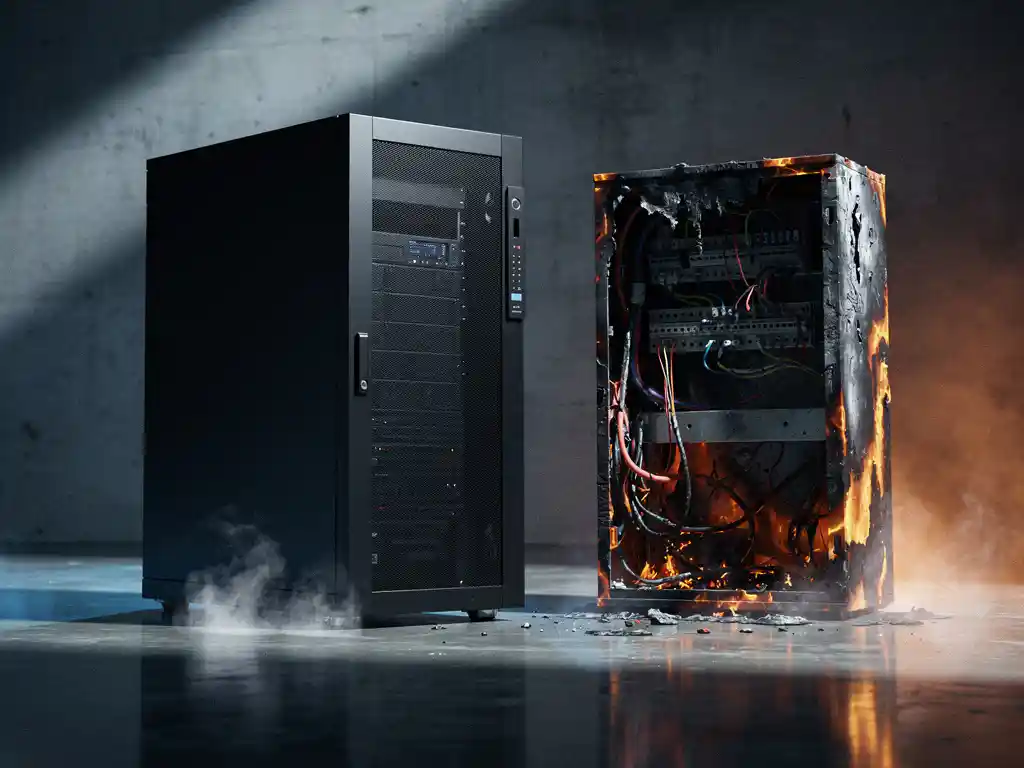
Fire suppression and fire prevention are two distinct but complementary pillars of fire safety. Fire prevention focuses on stopping a fire from starting in the first place, while fire suppression focuses on controlling or extinguishing a fire once it has ignited. Together, they form a complete fire protection strategy, and understanding the difference helps organizations make smarter decisions about where to invest in safety. The sections below unpack how each works, what they include, and when each one becomes critical.
How do fire suppression and fire prevention actually work?
Fire suppression works by detecting a fire and deploying an extinguishing agent to control or extinguish it. Fire prevention works by identifying and eliminating the conditions that allow a fire to start. Both are active strategies, but they operate at different points in the fire risk timeline — prevention acts before ignition, and suppression acts after it.
A fire suppression system typically consists of a detection component and a suppression component. When the detection element identifies smoke, heat, or combustion gases, it triggers the release of an extinguishing agent such as water, gas, foam, or inert nitrogen. The goal is to stop the fire quickly, limit damage, and protect the surrounding environment.
Fire prevention, by contrast, operates through design, behavior, and maintenance. This includes ensuring that flammable materials are stored safely, that electrical systems are correctly rated and regularly inspected, that heat-generating equipment has adequate ventilation, and that staff understand how to handle fire risks. Prevention reduces the probability that a fire will ever occur, while suppression reduces the consequences if it does.
What are the main types of fire suppression systems?
The main types of fire suppression systems are water-based sprinkler systems, gaseous suppression systems, foam systems, and aerosol or inert gas systems. Each type is suited to different environments and risk profiles, and the right choice depends on what is being protected and what collateral damage is acceptable.
- Water sprinkler systems: The most widely used suppression method in commercial buildings. Effective for general fire risks but unsuitable for environments with sensitive electronics, live electrical equipment, or water-sensitive assets.
- Gaseous suppression systems: Use inert or chemical gases to reduce oxygen levels or interrupt the chemical chain reaction of combustion. Common gases include CO2, FM-200, Novec 1230, and nitrogen. These are preferred for enclosed spaces with high-value equipment.
- Foam systems: Primarily used in environments with flammable liquids, such as fuel storage or aircraft hangars. Foam blankets the burning surface and cuts off the oxygen supply.
- Inert nitrogen systems: A clean, residue-free suppression method that uses nitrogen to displace oxygen within a protected enclosure. Particularly well-suited to electrical cabinets, server racks, and battery energy storage systems where chemical residues would cause secondary damage.
- Aerosol systems: Deploy fine particles to interrupt combustion chemistry. Compact and suitable for small enclosed spaces, though less common than gas-based alternatives.
The distinction between room-level and object-level suppression is also important. Room-level systems protect an entire space, while object-level systems are installed directly inside or around specific equipment. Object-level suppression is increasingly used for electrical cabinet fire protection, where the fire risk is concentrated and the equipment is too valuable to expose to broad suppression agents.
What does fire prevention include in a safety plan?
Fire prevention in a safety plan includes hazard identification, risk elimination, physical safeguards, staff training, and regular maintenance of equipment and systems. It is a proactive framework that reduces the likelihood of ignition before any suppression system needs to activate.
A well-structured fire prevention plan typically covers the following areas:
- Hazard assessment: Identifying sources of ignition, fuel, and oxygen within the facility. This includes electrical systems, flammable materials, and heat-generating equipment.
- Control measures: Implementing physical controls such as cable management, proper ventilation, fire-rated enclosures, and separation of incompatible materials.
- Maintenance schedules: Regularly inspecting and servicing electrical installations, HVAC systems, and fire safety equipment to catch deterioration before it becomes a hazard.
- Staff training: Ensuring that all personnel understand fire risks, know how to respond to early warning signs, and are familiar with evacuation procedures.
- Compliance and documentation: Meeting applicable fire safety regulations, maintaining inspection records, and conducting periodic fire risk assessments.
Prevention measures are especially important in environments where fire risks are elevated by design, such as data centers with high electrical loads, battery energy storage facilities, and industrial plants with switchgear and high-voltage infrastructure.
Which is more important: suppression or prevention?
Neither suppression nor prevention is more important in isolation. Both are essential components of a complete fire protection strategy, and one without the other leaves significant gaps. Prevention reduces the probability of fire, while suppression limits the severity of damage when prevention is not enough. The most resilient fire safety plans treat them as complementary, not competing.
That said, the relative emphasis between the two depends on the environment. In facilities where the consequences of a fire are catastrophic and prevention alone cannot guarantee zero risk, suppression becomes a non-negotiable safeguard. Electrical systems, battery storage units, and data infrastructure are all environments where ignition can occur without warning despite best preventive efforts. In these cases, a fast-acting suppression system is what stands between a contained incident and a total loss.
Conversely, in lower-risk environments where fire hazards are manageable through behavior and maintenance, prevention may carry more weight in the overall strategy. The key principle is that prevention and suppression should always be designed together, not chosen between.
When does fire suppression become essential for equipment protection?
Fire suppression becomes essential when the equipment being protected is high-value, mission-critical, or located in an environment where a fire can develop rapidly without visible warning. This is particularly true for enclosed electrical systems, server infrastructure, battery energy storage systems, and switchgear cabinets, where heat and smoke can build up inside an enclosure before any external detection system responds.
Several conditions make suppression especially critical:
- The equipment operates continuously and cannot be shut down for routine inspection without disrupting operations
- The cost of hardware replacement and reinstallation is high relative to the cost of a suppression system
- The equipment is housed in a sealed or semi-sealed enclosure where fires can smolder undetected
- Water or chemical suppression agents would cause as much damage as the fire itself
- Regulatory or insurance requirements mandate active suppression for specific asset types
In these scenarios, BESS fire suppression and similar object-level protection strategies are not optional enhancements. They are the primary line of defense against total asset loss and extended downtime.
How does early smoke detection connect suppression to prevention?
Early smoke detection is the bridge between fire prevention and fire suppression. By identifying the earliest signs of thermal stress or combustion, detection systems give organizations the opportunity to intervene before a fire fully develops. This creates a window where prevention and suppression overlap, and where the fastest response delivers the greatest protection.
Aspirating smoke detection is one of the most sensitive technologies available for this purpose. Unlike conventional point detectors that wait for smoke to reach a sensor, aspirating systems actively draw air samples from within an enclosure and analyze them continuously. This means a developing fault inside an electrical cabinet can be flagged at the pre-fire stage, before flames appear.
When detection is integrated directly with suppression, the response becomes automatic and near-instantaneous. The moment smoke concentration exceeds a defined threshold, the suppression agent is released into the protected enclosure. This tight coupling between detection and suppression is what allows object-level systems to stop fires at their source rather than after they have spread.
How ExxFire supports both fire suppression and prevention in one system
ExxFire’s combined fire detection and suppression systems are designed specifically for environments where both early detection and rapid suppression are required in a single, integrated solution. The systems are particularly well-suited to protecting enclosed, high-value assets such as electrical cabinets, server racks, and battery energy storage systems.
Key features of ExxFire’s approach include:
- Aspirating smoke detection: Continuously samples air within the protected enclosure to identify smoke at the earliest possible stage, enabling pre-fire intervention
- Non-pressurized nitrogen suppression: Uses ExxFire’s patented Cool Gas Generator technology to release inert nitrogen directly into the enclosure, displacing oxygen and extinguishing the fire without chemical residues or pressure hazards
- PFAS-free and clean: Nitrogen leaves no residue on sensitive electronics or components, ensuring that suppression does not cause secondary damage to the protected equipment
- Self-installation and low maintenance: Pre-engineered for straightforward installation without specialist certification, with low ongoing maintenance requirements that keep total cost of ownership low
- Integration with existing fire panels: Built-in relays allow the system to report status to an existing fire safety infrastructure, supporting a coordinated facility-wide response
- Tested and certified: Validated by CNPP in France and DMT, part of TÜV Nord, ensuring compliance with rigorous fire safety standards
Whether you are protecting a single electrical cabinet or a network of battery energy storage systems across multiple sites, ExxFire provides a certified, clean, and cost-effective solution. Contact ExxFire to discuss the right fire detection and suppression configuration for your specific environment.
Related Articles
- What are the fire risks in restaurants and commercial kitchens?
- What is the difference between a fire hazard and a fire risk?
- How do you test a fire suppression system for regulatory compliance?
- How does fire prevention training reduce workplace injuries?
- How does fire prevention reduce insurance costs?