

What are the fire prevention requirements for rental properties in 2026?
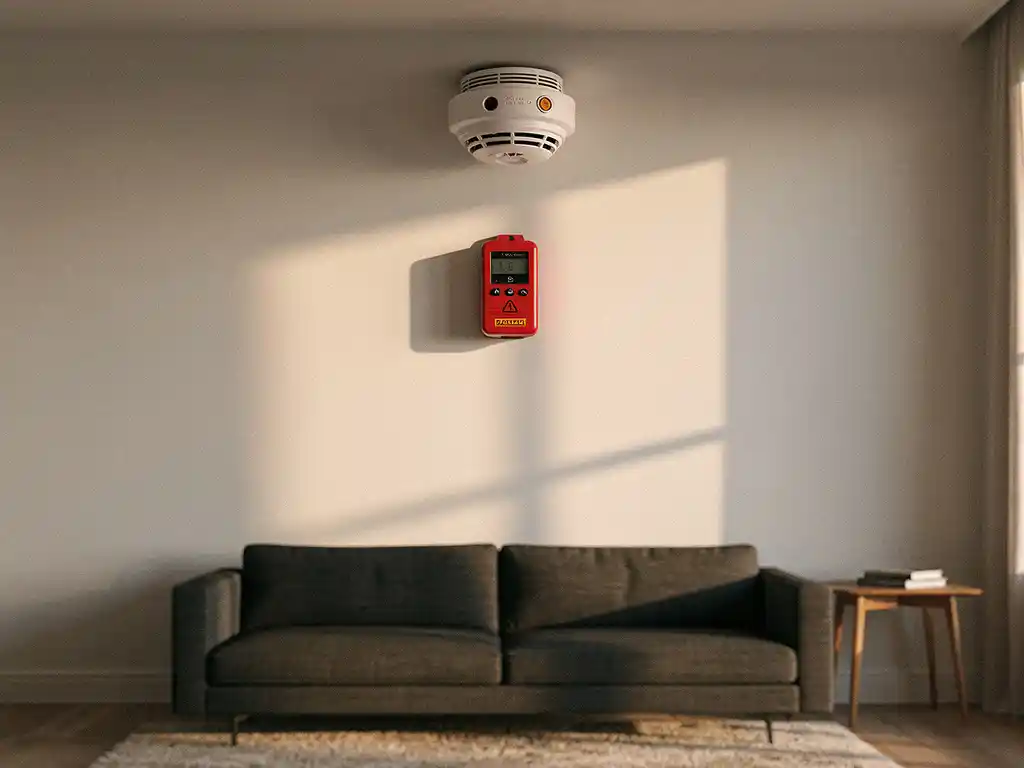
Fire prevention requirements for rental properties in 2026 are primarily governed by national and local legislation, with landlords legally obligated to install working smoke alarms, maintain fire escape routes, and conduct fire risk assessments for certain property types. These obligations have continued to tighten in recent years, with regulators placing greater responsibility on landlords to demonstrate proactive compliance. The sections below unpack each core requirement in detail, from detection equipment to risk assessments and future-proofing strategies.
What fire safety laws apply to rental properties in 2026?
In 2026, fire safety in rental properties is governed by a combination of national building regulations, housing standards legislation, and fire safety acts that vary by jurisdiction. In the UK, for example, the Smoke and Carbon Monoxide Alarm (Amendment) Regulations and the Fire Safety Act place clear obligations on landlords across both private and social rental sectors. In other countries, equivalent national codes and local authority requirements apply.
The core principle across most jurisdictions is the same: landlords have a legal duty of care to ensure their properties are reasonably safe from fire. For residential rentals, this typically means meeting minimum standards for fire detection, maintaining clear escape routes, and ensuring communal areas in multi-occupancy buildings comply with fire safety legislation. For commercial or mixed-use rental properties, the requirements are often more extensive and may require formal documentation and third-party inspections.
Landlords operating across multiple countries should be aware that rental property fire regulations are not uniform. What satisfies compliance in one jurisdiction may fall short in another. Staying current with local fire authority guidance and any updates to national building codes is essential to maintaining lawful compliance throughout 2026 and beyond.
What fire detection equipment is a landlord legally required to install?
Landlords are legally required to install working smoke alarms on every floor of a rental property where there is a room used as living accommodation, and a carbon monoxide alarm in any room with a fixed combustion appliance. These are the baseline requirements in most developed jurisdictions, and failure to comply can result in fines or enforcement notices.
Beyond the minimum legal baseline, best practice guidance from fire authorities recommends:
- Interlinked smoke alarms so that all devices trigger simultaneously when one detects smoke
- Heat alarms in kitchens, where cooking fumes can cause false triggers from standard smoke detectors
- Carbon monoxide detectors near gas boilers, open fires, and solid fuel appliances
- Regular testing and documented maintenance of all detection equipment
In larger houses in multiple occupation (HMOs) or commercial rental spaces, more advanced detection systems are typically required, including addressable fire alarm panels that can identify the precise location of a triggered detector. Landlords of these property types should refer to the specific licensing conditions applied by their local fire authority, as requirements go beyond simple alarm installation.
Are landlords required to have fire suppression systems?
Most landlords of standard residential rental properties are not legally required to install active fire suppression systems such as sprinklers or gas-based suppression. However, requirements do exist in specific contexts. In Wales, for instance, sprinkler systems have been mandatory in all new residential buildings since 2016. For new builds, HMOs above a certain size, and commercial rental properties, suppression systems may be a condition of planning permission or licensing.
Even where suppression systems are not legally mandated, they represent a significant risk management measure. Properties housing high-value equipment, such as server rooms, electrical switchgear cabinets, or battery energy storage installations, face a higher fire risk profile. In these environments, early suppression can prevent catastrophic equipment loss, extended downtime, and liability exposure that far outweigh the cost of the system itself.
Landlords and facility managers overseeing properties with critical electrical infrastructure should treat suppression as a practical necessity even when it sits outside the strict legal minimum. Insurance providers are increasingly factoring suppression capability into premium calculations and coverage conditions, making proactive installation a financially sound decision as well as a safety one.
What is a fire risk assessment and who is responsible for it?
A fire risk assessment is a structured evaluation of a property to identify fire hazards, assess the risk to occupants, and determine what preventive or protective measures are needed. The responsible person, who is typically the landlord, property owner, or employer in a commercial setting, is legally required to carry out or commission a fire risk assessment for most non-domestic and multi-occupancy properties.
For single-occupancy residential rentals, a formal written assessment may not be a strict legal requirement, but landlords are still expected to take reasonable steps to identify and address fire risks. For HMOs, commercial premises, and buildings with communal areas, a documented fire risk assessment is a legal obligation and must be reviewed regularly or whenever significant changes are made to the property.
A thorough fire risk assessment should cover:
- Identification of ignition sources, fuel sources, and oxygen sources
- Evaluation of who is at risk, including vulnerable occupants
- Review of existing detection and suppression measures
- Assessment of escape routes and emergency signage
- A documented action plan with timelines for addressing identified risks
Landlords who lack the expertise to conduct a thorough assessment should engage a qualified fire risk assessor. Attempting to self-assess without adequate knowledge can leave critical gaps in protection and create legal exposure if an incident occurs.
What happens if a landlord fails to meet fire safety requirements?
If a landlord fails to meet fire safety requirements, the consequences range from financial penalties to criminal prosecution, depending on the severity of the breach and the jurisdiction. Local fire authorities have the power to issue enforcement notices, prohibition orders that prevent the property from being let, and in serious cases, prosecute landlords under fire safety legislation.
In the UK, landlords who fail to install required smoke or carbon monoxide alarms can be issued a remedial notice and fined up to £5,000 per breach. For more serious failures in HMOs or commercial properties, unlimited fines and custodial sentences are possible where negligence has contributed to injury or death. Civil liability claims from tenants are also a significant risk where fire safety shortcomings can be demonstrated.
Beyond the legal and financial consequences, reputational damage is a real and lasting risk. Landlords found to have neglected fire safety obligations face difficulty letting properties, challenges with mortgage lenders and insurers, and potential disqualification from operating as a licensed HMO landlord. Compliance is not simply a box-ticking exercise but a foundational element of responsible property management.
How can landlords future-proof their properties against tightening fire regulations?
Landlords can future-proof their properties by going beyond the current legal minimum and adopting fire safety measures that align with the direction regulations are clearly heading. Across most jurisdictions, the trend is toward stricter detection requirements, mandatory suppression in more building types, and greater documentation and accountability for landlords. Investing ahead of these changes reduces the cost and disruption of reactive compliance.
Practical steps to future-proof a rental property against evolving fire safety regulations include:
- Installing interlinked, mains-powered smoke and heat detection rather than battery-only devices
- Commissioning a professional fire risk assessment and updating it annually
- Upgrading communal area fire doors, signage, and emergency lighting to current standards
- Considering suppression systems for properties with electrical rooms, server infrastructure, or battery storage
- Keeping thorough records of all fire safety checks, maintenance, and assessments
- Monitoring guidance from the local fire authority and national regulatory bodies for upcoming changes
Properties that house significant electrical infrastructure deserve particular attention. As battery energy storage systems and high-density electrical cabinets become more common in commercial and mixed-use buildings, the fire risk profile of these environments increases substantially. Early detection at the source, before a fire can spread, is the most effective strategy for protecting both the property and its occupants.
How ExxFire helps protect rental properties with critical electrical infrastructure
Where rental or commercial properties contain server rooms, electrical switchgear, ICT cabinets, or battery energy storage systems, standard smoke alarms alone are insufficient. ExxFire’s integrated fire detection and suppression systems are purpose-built to address this gap, combining aspirating smoke detection with nitrogen-based suppression in a single, self-contained unit.
Key features that make ExxFire’s systems well-suited to landlords and facility managers responsible for high-value equipment:
- Early smoke detection: Aspirating detection identifies smoke at trace levels, triggering suppression before a fire can develop and spread
- Clean nitrogen suppression: Non-pressurized nitrogen gas leaves no chemical residue, protecting sensitive electronics and eliminating the need for costly post-incident cleaning or equipment replacement
- PFAS-free technology: ExxFire’s systems contain no PFAS compounds, supporting compliance with tightening environmental regulations on fire suppression agents
- Easy installation: Pre-engineered for self-installation without specialist certification, reducing installation cost and complexity
- Fire panel integration: Built-in relays allow the system to report status to an existing fire detection panel, ensuring seamless integration with existing safety infrastructure
- Tested and certified: Validated by CNPP in France and DMT/TÜV Nord in Germany, providing the documented third-party certification that insurers, regulators, and tenants increasingly expect
For landlords managing properties where a fire in an electrical enclosure could trigger significant downtime, equipment loss, or regulatory liability, proactive suppression at the source is the most effective safeguard available. Contact ExxFire to discuss which system configuration is right for your property and infrastructure.
Related Articles
- How do you prioritise fire risks when resources are limited?
- What are the fire risks of overloaded power sockets?
- What are early warning systems used in fire management?
- How do indigenous burning practices relate to modern fire management?
- How does nitrogen-based fire suppression protect the environment?