

How do you safely dispose of fire hazards like old paint?
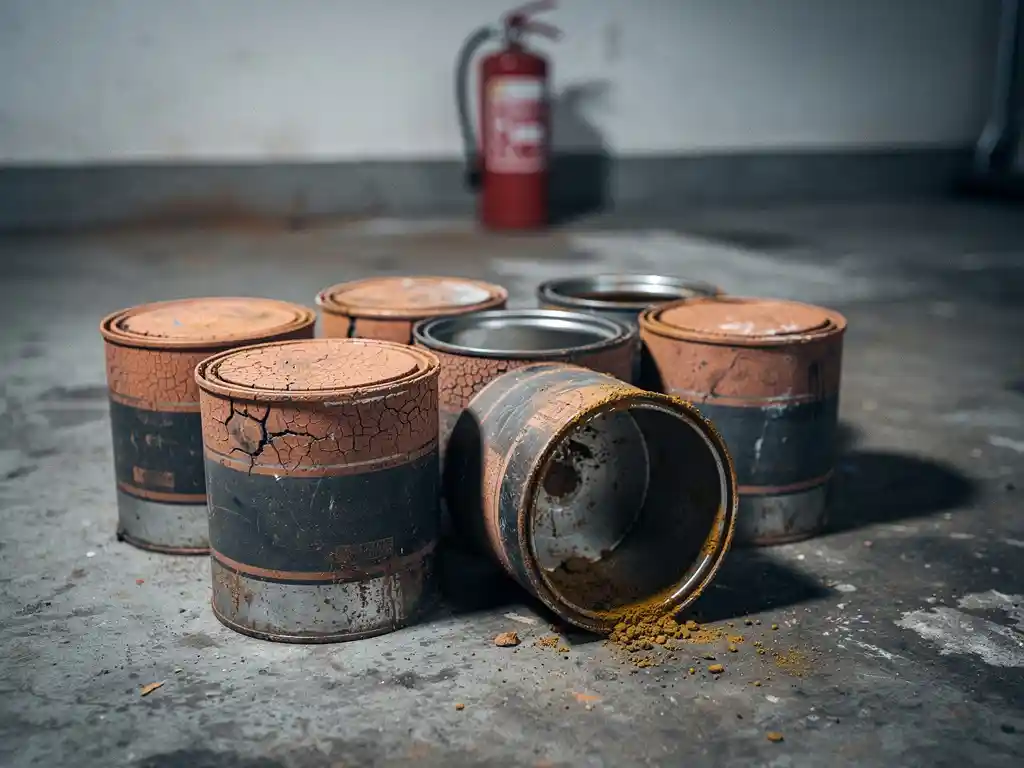
To safely dispose of old paint, take it to a household hazardous waste (HHW) collection facility or a designated paint drop-off point in your area. Never pour paint down the drain, into the ground, or throw it in regular household waste. The correct method depends on the type of paint you have, since oil-based and latex paints require different handling procedures.
Old paint sitting in garages, sheds, or storage rooms is more than just clutter. It can pose a genuine fire risk, release toxic fumes, and cause environmental harm if disposed of incorrectly. The sections below walk through everything you need to know, from identifying hazardous paint types to what to do if a fire breaks out.
What makes old paint a fire hazard?
Old paint becomes a fire hazard primarily because of the solvents it contains. Oil-based paints, lacquers, varnishes, and stains contain flammable or combustible liquids that can ignite when exposed to heat, sparks, or open flame. Even partially used tins with dried surfaces can still hold flammable solvent vapors underneath, which can accumulate in enclosed spaces and raise the risk of ignition.
As paint ages, its chemical composition can change in ways that increase risk. Solvents may separate and concentrate near the top of a container. Lids that no longer seal properly allow vapors to escape into the surrounding air. In a warm garage or storage room, these vapors can reach flammable concentrations quickly.
Rags or cloths soaked in oil-based paint or paint thinner carry an additional danger: spontaneous combustion. As the solvents in these materials oxidize and dry, they generate heat. If rags are bundled together in a confined space, that heat can build until the material ignites without any external spark. This is one of the leading causes of workshop and garage fires.
Which types of paint are considered hazardous waste?
Oil-based paints, solvent-based paints, lacquers, varnishes, shellacs, and paint thinners are universally classified as hazardous waste because they contain flammable solvents and toxic compounds. Water-based latex or acrylic paints are generally not classified as hazardous waste in most jurisdictions, though they should still be disposed of responsibly rather than poured down drains.
The key indicator on any paint tin is the label. Look for signal words such as “flammable,” “combustible,” “contains solvents,” or hazard pictograms showing a flame. These designations indicate that the product falls under hazardous waste regulations and cannot be placed in standard household waste bins or recycling containers.
Spray paints and aerosol cans also qualify as hazardous waste regardless of the paint type inside, because the pressurized propellant creates an additional explosion risk. Even empty aerosol cans should be treated with care and taken to a proper disposal facility rather than crushed or punctured.
How do you safely store old paint before disposal?
Store old paint in its original sealed container in a cool, dry, well-ventilated area away from heat sources, open flames, and direct sunlight. Keep containers upright to prevent leaks, and never store flammable paint near electrical panels, boilers, or any equipment that generates sparks or heat.
If the original container is damaged or the lid no longer seals, transfer the paint into a clearly labeled, airtight container made of compatible material. Never use food containers or anything that could be mistaken for a consumable product. Label the new container with the paint type, approximate age, and the word “hazardous” if applicable.
A few additional storage precautions worth following:
- Keep flammable paints away from rags, paper, cardboard, and other combustible materials
- Store no more than you actually need – excess stock increases risk without purpose
- Do not store paint in areas where children or pets can access it
- Check containers periodically for rust, swelling, or leaks, which can indicate deterioration
- Ensure the storage area has adequate ventilation to prevent vapor buildup
Where can you legally dispose of old paint?
You can legally dispose of old paint at household hazardous waste (HHW) collection events, municipal recycling centers with dedicated hazardous waste drop-off points, or through retailer take-back programs offered by some paint manufacturers and home improvement stores. The correct facility depends on your location and the type of paint you have.
Most municipalities organize HHW collection days several times a year where residents can drop off flammable and toxic materials free of charge. A quick search on your local government or waste management authority’s website will show scheduled dates and accepted materials.
For oil-based and solvent-based paints, never pour them into sinks, toilets, storm drains, or onto the ground. These solvents contaminate groundwater and waterways and are illegal to dispose of this way in most countries. Penalties for improper hazardous waste disposal can include significant fines.
For latex or water-based paints that are still liquid, some facilities allow you to dry them out first by leaving the lid off in a well-ventilated outdoor space until the paint solidifies. Once fully hardened, dried latex paint may be accepted in regular waste in certain jurisdictions, but always verify with your local authority before doing so.
Can old paint be recycled or reused instead of disposed of?
Yes, old paint can often be recycled or reused rather than disposed of, which is the preferred option both environmentally and practically. Many paint recycling programs collect usable paint, remix it, and redistribute it as recycled paint for community projects, charities, or low-cost resale. Reusing paint is always preferable to treating it as waste.
Before disposing of any paint, consider these alternatives:
- Donate it: Community organizations, theater groups, schools, and nonprofit housing projects often accept usable paint. Check that the paint is still in good condition, has not separated irreversibly, and is properly labeled.
- Use it up: Primer coats, undercoats for outbuildings, or touch-up jobs are practical ways to use the last of a tin without waste.
- Paint recycling schemes: Programs such as PaintCare in the United States or Community RePaint in the United Kingdom collect and process old paint for redistribution or safe disposal.
- Swap with neighbors: Online community platforms and local exchange groups often facilitate paint swaps, keeping usable product in circulation.
Paint that has frozen, is heavily contaminated, smells strongly of mold, or has separated into an unusable consistency should not be donated or reused. In those cases, proper flammable paint disposal through an authorized facility is the right course of action.
What should you do if old paint ignites or causes a fire?
If old paint ignites, evacuate the area immediately, call the emergency services, and do not attempt to extinguish a solvent or oil-based paint fire with water. Water can spread flammable liquids and intensify the fire. Use a dry powder or CO2 extinguisher for small, contained fires only if you are trained to do so and the fire has not spread beyond its origin point.
Solvent-based paint fires produce toxic smoke that is dangerous to inhale. Never remain in a smoke-filled space to fight a fire. Your safety takes priority over any property or equipment.
For small fires involving paint rags or a single tipped container at an early stage, a fire blanket or dry powder extinguisher may smother the flame before it spreads. However, if the fire has reached storage shelving, walls, or other combustible materials, it is no longer a small fire and requires a professional firefighting response.
Prevention is always more effective than response. Storing flammable paints correctly, disposing of soaked rags in sealed metal containers, and keeping storage areas clear of ignition sources significantly reduces the likelihood of a paint fire occurring in the first place.
How ExxFire helps protect against fire hazards in high-risk environments
While safe storage and proper disposal are the first line of defense against paint-related fire hazards, environments that house flammable materials alongside critical equipment need a more comprehensive layer of protection. ExxFire’s integrated fire detection and suppression systems are built precisely for this purpose.
ExxFire’s systems combine aspirating smoke detection with non-pressurized nitrogen gas suppression using patented Cool Gas Generator technology. Key features include:
- Early smoke detection: Aspirating detection identifies combustion at the earliest possible stage, before a fire develops
- Clean suppression: Nitrogen gas leaves no chemical residue, protecting sensitive electronics and equipment from secondary damage
- PFAS-free technology: A sustainable alternative to legacy suppression agents, meeting modern environmental compliance requirements
- Easy installation: Pre-engineered systems designed for self-installation without specialist certification, reducing deployment time and cost
- Seamless integration: Built-in relays allow connection to existing fire panels, fitting into your current safety infrastructure
Whether you manage a server room, electrical switchgear cabinet, or a Battery Energy Storage System in a facility where fire hazard disposal and storage risks are present, early detection and fast suppression are critical to preventing costly downtime and hardware loss. Contact ExxFire today to find out which system is right for your environment.