

How does clutter increase the risk of a house fire?
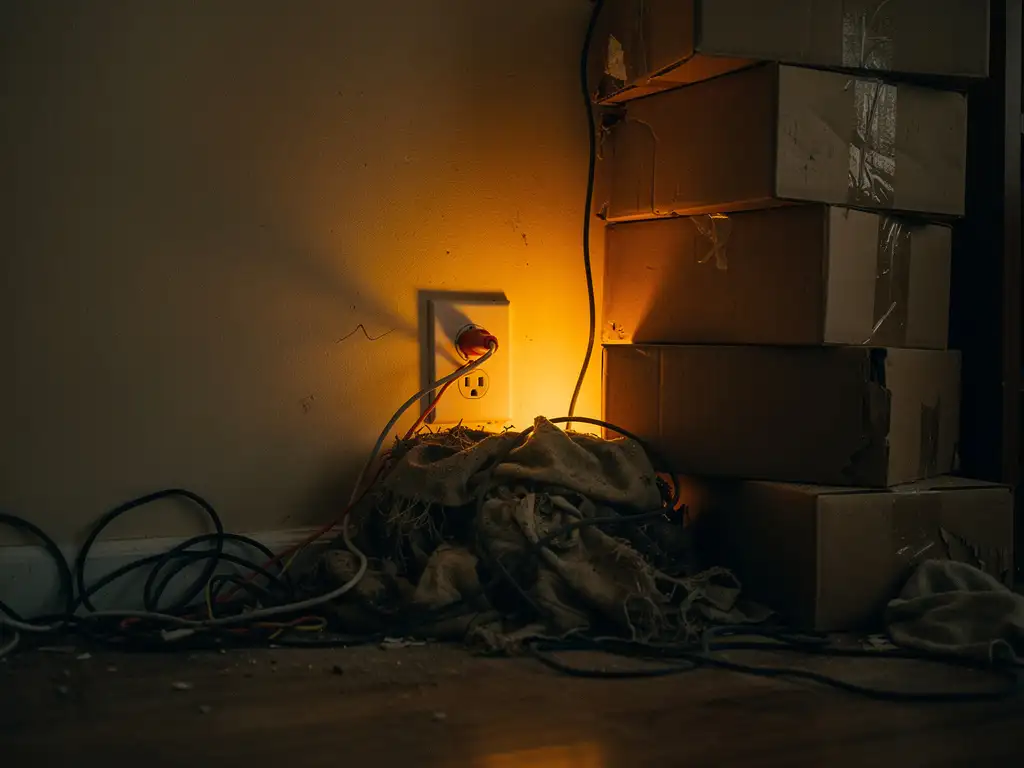
Clutter increases the risk of a house fire by providing an abundance of fuel that ignites easily, accelerates the spread of flames, and blocks safe exit routes. The more combustible material that accumulates in a living space, the faster a small spark can escalate into a life-threatening blaze. The sections below address the most important questions about clutter and fire safety at home.
What types of clutter are most likely to start a fire?
The types of clutter most likely to start a fire are paper-based materials, loose textiles, and items stored near heat sources or electrical equipment. These materials ignite at relatively low temperatures and are commonly found in cluttered homes in large quantities.
Paper is one of the most dangerous forms of clutter from a fire safety perspective. Stacks of newspapers, cardboard boxes, old magazines, and loose documents catch fire quickly and burn intensely. When stored near radiators, electrical outlets, or appliances, even a minor heat source can be enough to ignite them.
Textiles such as clothing piles, old curtains, and bedding stored loosely around the home also pose a significant clutter fire risk. Synthetic fabrics in particular can melt and burn rapidly. Similarly, cleaning products, aerosol cans, and paint stored in cluttered utility areas introduce flammable chemicals into the mix.
Electrical clutter deserves special attention. Extension cords buried under piles of belongings, overloaded power strips, and devices left charging in enclosed spaces all generate heat. When surrounded by combustible clutter, a faulty cable or overheated battery can trigger a fire that spreads immediately to surrounding materials.
How does clutter help a fire spread faster?
Clutter helps a fire spread faster by providing a continuous chain of combustible material that carries flames from one area to the next. Fire needs fuel to grow, and a cluttered environment removes the natural gaps that would otherwise slow or contain it.
In a tidy room, a fire starting at one point may burn itself out before reaching another fuel source. In a cluttered room, that same fire can travel across piles of belongings in seconds. The density of material means heat transfers rapidly between objects, and flames can leap from floor level to shelving to ceiling in a short time.
Clutter also affects airflow within a space. Stacked materials can create pockets of trapped air that feed combustion, while blocking ventilation paths that might otherwise dilute the concentration of flammable gases. This combination of dense fuel and disrupted airflow creates conditions where fire can intensify far more quickly than in an uncluttered environment.
The vertical stacking of clutter is particularly dangerous. When items are piled high, fire gains a direct path upward, which is its natural direction of travel. A stack of boxes or clothing reaching from floor to ceiling acts almost like a ladder for flames, dramatically accelerating how clutter causes fires to escalate beyond control.
Why does clutter make it harder to escape a house fire?
Clutter makes it harder to escape a house fire because it physically blocks hallways, doorways, and exit routes that occupants need to reach quickly in an emergency. In a fire, every second counts, and navigating through accumulated belongings in low visibility and smoke can be fatal.
Smoke fills a room from the ceiling downward, which means occupants may need to crawl to stay below the smoke line. At floor level, clutter becomes an even greater obstacle. Tripping over objects, pushing past blocked doors, or being unable to open a window due to items stacked in front of it can prevent escape entirely.
For children, elderly individuals, or anyone with limited mobility, cluttered escape routes represent a disproportionately high risk. Emergency responders entering a building also face greater difficulty locating and reaching occupants when spaces are heavily obstructed.
Fire safety guidance consistently highlights clear escape routes as a foundational element of home fire prevention. This means keeping hallways free of furniture and stored items, ensuring doors can open fully, and maintaining at least one accessible exit from every room.
Can clutter prevent smoke alarms from working properly?
Yes, clutter can prevent smoke alarms from working properly. When smoke alarms are blocked by stacked items, installed in areas obscured by clutter, or surrounded by dust-collecting debris, their ability to detect smoke early and trigger an alert is significantly reduced.
Smoke alarms rely on detecting airborne particles as smoke rises toward the ceiling. If shelving, stored boxes, or hanging items obstruct the area around an alarm, smoke may not reach the sensor quickly enough to trigger a timely warning. In a cluttered home, the alarm may sound too late to allow safe evacuation.
Dust accumulation is a related concern. Clutter tends to gather dust, and smoke alarms in dusty environments can malfunction, trigger false alarms, or fail to respond accurately. Regular testing and cleaning of smoke alarms is essential, but clutter makes this maintenance harder to carry out consistently.
Placement matters too. Smoke alarms should be installed on ceilings or high on walls in every room, with nothing blocking the area within half a metre of the device. In cluttered rooms where shelves or piles of items reach close to the ceiling, this clearance is often compromised without the occupant realising it.
Which rooms in the home carry the highest clutter fire risk?
The rooms in the home that carry the highest clutter fire risk are the kitchen, living room, bedroom, and utility or storage areas. Each of these spaces combines a common source of ignition with the types of materials most likely to accumulate as clutter.
Kitchen and utility areas
The kitchen is statistically one of the most frequent starting points for residential fires, and clutter significantly worsens that risk. Tea towels, paper bags, cardboard packaging, and loose items stored on or near the hob, toaster, or oven can ignite from cooking heat or a stray flame. Utility rooms with washing machines, dryers, and boilers present similar risks when cluttered with laundry or cleaning products.
Bedrooms and living rooms
Bedrooms often accumulate textiles, electronics, and charging devices, all of which contribute to fire hazards at home. A phone or laptop left charging on a pile of clothing is a combination that has caused numerous residential fires. Living rooms present comparable risks through the proximity of soft furnishings, paper materials, and entertainment electronics, particularly when clutter builds up around plug sockets and extension leads.
Storage rooms, lofts, and garages are frequently overlooked but carry significant risk. These spaces tend to accumulate years of belongings, including old paint, solvents, tools, and electrical equipment, often without any smoke detection in place.
How can you reduce fire risk caused by clutter at home?
You can reduce the fire risk caused by clutter at home by regularly decluttering living spaces, storing flammable materials safely, keeping escape routes clear, and ensuring smoke alarms are properly positioned and maintained. These steps directly address the conditions that allow clutter to contribute to a house fire.
Practical steps to reduce clutter fire risk include:
- Declutter systematically: Work through one room at a time, removing paper, textiles, and accumulated items that serve no current purpose. Focus first on rooms with heat sources or electrical equipment.
- Store flammable materials correctly: Keep aerosols, cleaning products, and solvents in ventilated, purpose-built storage away from heat sources and electrical panels.
- Keep escape routes clear: Ensure hallways, stairways, and all exit doors can be accessed without obstruction at all times, including at floor level.
- Maintain clearance around smoke alarms: Check that no clutter obstructs the area around each smoke alarm, and test devices monthly.
- Manage electrical clutter: Avoid running extension cords under rugs or behind stacked items, and never leave devices charging on soft furnishings or within piles of clutter.
- Address storage areas: Garages, lofts, and utility spaces often go unreviewed for years. Schedule regular checks and install smoke detection in these areas if not already in place.
Building these habits into a regular home maintenance routine is the most reliable way to keep fire hazards at home under control over the long term.
How ExxFire supports fire safety at home and beyond
While decluttering and good housekeeping form the foundation of home fire prevention, enclosed spaces that house electrical equipment, battery systems, or sensitive electronics require an additional layer of protection. This is where integrated fire detection and suppression play a critical role.
ExxFire’s combined fire detection and suppression systems are designed specifically to protect closed enclosures such as electrical cabinets, server racks, and battery energy storage systems from the inside out. Key features include:
- Early smoke detection: Aspirating smoke detection identifies the earliest signs of combustion before a fire develops, triggering suppression at the point of origin.
- Clean nitrogen suppression: Non-pressurized nitrogen gas extinguishes fire without leaving chemical residues, protecting sensitive components from secondary damage.
- Easy installation: Systems are pre-engineered for straightforward self-installation without specialist certification, keeping total cost of ownership low.
- Integration with existing infrastructure: Built-in relays allow the system to report to an existing fire detection panel, ensuring seamless compatibility.
Whether protecting industrial equipment or critical infrastructure, early detection and suppression at the source is the most effective way to limit damage and maintain continuity. Contact ExxFire to find out how its certified fire suppression technology can be applied to your specific environment.