

How do you know if your home is a high fire risk?
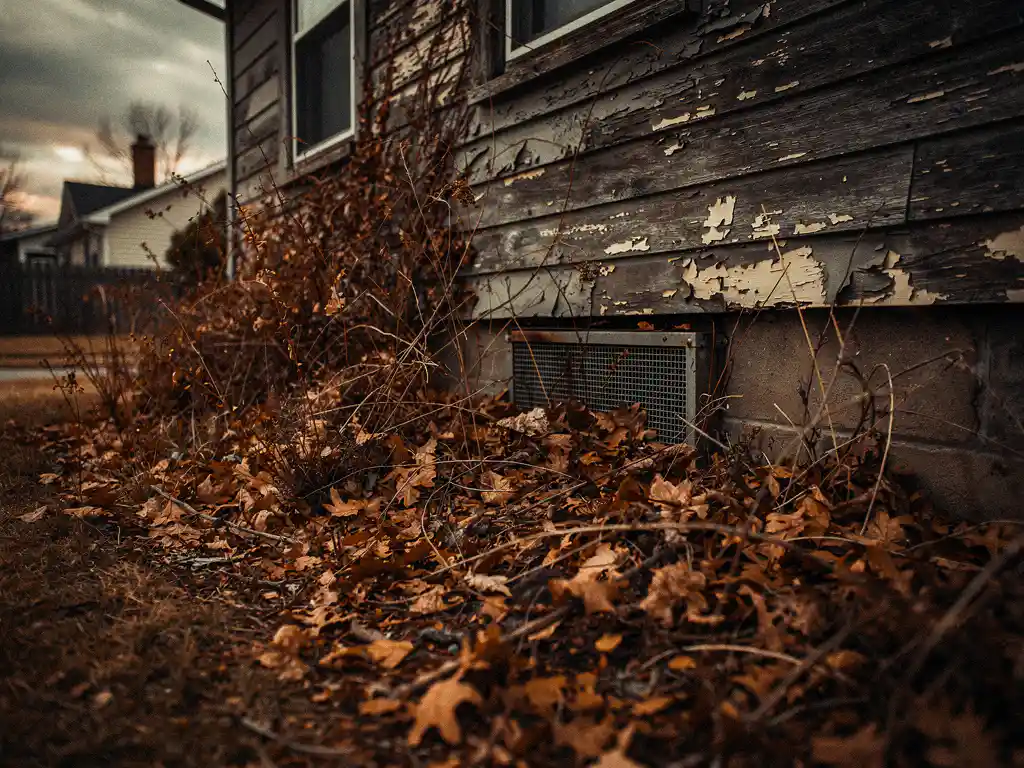
A home has a high fire risk when it contains multiple unaddressed hazards — faulty wiring, overloaded circuits, unattended heat sources, or flammable materials stored near ignition points. Most homes carry some level of fire risk, but certain conditions make a fire significantly more likely to start and spread. The sections below walk through the key warning signs, highest-risk areas, and practical steps to reduce your exposure.
What are the most common fire hazards found in homes?
The most common fire hazards in homes include faulty or outdated electrical wiring, overloaded power outlets, unattended cooking, portable heaters placed near flammable materials, and improper storage of flammable liquids. These hazards account for the vast majority of residential fires and are present in homes across all age groups and property types.
Electrical faults are consistently among the leading causes of home fires. Extension cords used as permanent wiring, damaged cables hidden behind walls or under rugs, and aging fuse boxes that trip but are never properly inspected all create conditions where heat can build silently before igniting. Overloaded multi-socket adapters are a particularly common culprit in modern homes where device usage has grown faster than the number of available outlets.
In the kitchen, cooking remains the single most frequent trigger of house fires. Leaving pans unattended on a lit hob, allowing grease to accumulate in ovens and extractors, and placing tea towels or packaging too close to a heat source are everyday habits that carry real risk. Candles, open fireplaces without guards, and tumble dryers with blocked lint filters round out the most frequently identified fire hazards at home.
- Faulty or aging electrical wiring and fuse boxes
- Overloaded sockets and extension leads
- Unattended cooking and grease buildup
- Portable heaters near curtains, furniture, or clothing
- Candles left burning without supervision
- Flammable liquids stored near heat sources
- Blocked tumble dryer lint filters
What are the warning signs that your home has a high fire risk?
Warning signs that your home has a high fire risk include frequently tripping circuit breakers, flickering lights, burning smells from outlets or appliances, scorch marks around switches, and smoke alarms that are missing, untested, or past their replacement date. These signals indicate underlying hazards that increase the likelihood of a fire starting or spreading unchecked.
Electrical warning signs deserve particular attention because they are often dismissed as minor inconveniences. A circuit breaker that trips repeatedly is not malfunctioning — it is doing exactly what it is designed to do by signaling that a circuit is being overloaded. Ignoring it and resetting it without investigating the cause is one of the more dangerous habits homeowners develop. Similarly, a burning or plastic smell near a wall socket, even without visible damage, can indicate heat building up inside the wall cavity.
Behavioral and structural warning signs are equally important to recognize. Homes where smoke alarms have dead batteries, have been removed because of false alarms, or have never been tested represent a significant safety gap. Cluttered escape routes, flammable materials stored in boiler cupboards or near electrical panels, and a lack of a fire extinguisher or fire blanket in the kitchen are all signs that the home’s fire prevention posture is weak. If several of these factors are present together, the home’s overall fire risk is meaningfully elevated.
How does the age and condition of a home affect fire risk?
Older homes generally carry a higher fire risk than newer ones because their electrical systems, insulation materials, and structural components were built to lower safety standards. Homes built before modern wiring regulations may have rubber-insulated cables that have become brittle and prone to arcing, and older properties are more likely to contain materials like asbestos or certain synthetic foams that release toxic gases when they burn.
The wiring in homes built several decades ago was often sized for far lower electrical loads than modern households demand. Adding high-draw appliances — electric vehicle chargers, induction hobs, heat pumps — to an aging circuit without a proper electrical assessment creates a mismatch between demand and capacity. This increases the risk of overheating in cables and junction boxes that are hidden within the structure of the building.
Condition matters as much as age. A well-maintained older home with updated wiring and functioning smoke alarms can be safer than a newer property that has been poorly maintained. Key indicators of fire-relevant deterioration include crumbling mortar around fireplaces, damaged chimney liners, signs of damp near electrical fittings (which can cause arcing), and worn or cracked insulation on visible cables. Regular maintenance and periodic professional inspections are the most effective ways to manage the fire risk factors that come with an aging property.
Which rooms in a home carry the highest fire risk?
The kitchen carries the highest fire risk of any room in a home, followed by the living room and the garage or utility area. These spaces combine heat sources, flammable materials, and — in the case of the kitchen — frequent periods of unattended activity, making them the most likely locations for a fire to start.
Kitchen
Cooking equipment is involved in more home fires than any other cause. The combination of open flames or high-heat elements, oils and fats, and the tendency to leave the room while cooking makes the kitchen the most statistically significant fire risk area in any home. Oven cleanliness, extractor fan maintenance, and the placement of appliances relative to combustible surfaces all influence how quickly a minor incident can escalate.
Living room and garage
Living rooms concentrate electrical equipment — televisions, gaming systems, charging cables, and lighting — alongside upholstered furniture that burns quickly and produces dense smoke. Candles and open fireplaces add ignition sources to an already combustible environment. Garages and utility rooms present a different risk profile: they frequently store flammable liquids such as petrol, solvents, and paint, alongside power tools, charging batteries, and appliances like tumble dryers that generate heat and lint simultaneously.
How can you reduce fire risk in a high-risk home?
You can reduce fire risk in a high-risk home by addressing electrical hazards, installing and maintaining working smoke alarms on every floor, keeping heat sources away from flammable materials, and developing safe habits around cooking and candle use. These steps do not require major renovation — most can be completed with modest effort and low cost.
Start with the electrical system. Have a qualified electrician carry out a periodic inspection, particularly if the property is older or has not been assessed in the past decade. Replace any visibly damaged cables, avoid daisy-chaining extension leads, and ensure that high-draw appliances are on dedicated circuits where required. Smoke alarms should be installed in every room where a fire could start undetected, tested monthly, and replaced every ten years.
Practical daily habits make a significant difference to home fire safety. Never leave cooking unattended on high heat. Keep a fire blanket mounted in the kitchen within easy reach. Store flammable liquids in a cool, ventilated space away from ignition sources. Clear the lint filter on your tumble dryer after every cycle. Ensure that escape routes — hallways, stairways, and exit doors — are kept clear at all times so that evacuation is possible without delay if a fire does start.
- Have your electrical installation inspected by a qualified electrician
- Install smoke alarms on every floor and test them monthly
- Keep a fire blanket in the kitchen
- Never leave cooking unattended on high heat
- Store flammable liquids away from heat sources
- Clear tumble dryer lint filters after every use
- Keep escape routes unobstructed at all times
When should you call a professional to assess your home’s fire risk?
You should call a professional to assess your home’s fire risk when you notice recurring electrical faults, smell burning from outlets or walls, are buying or renovating an older property, or when your home contains specialist equipment such as battery storage systems or large electrical panels. A professional assessment provides a systematic review that goes beyond what a visual inspection by a homeowner can reliably identify.
A qualified electrician or fire safety assessor can test circuits under load, identify hidden faults behind walls, and verify that your fuse board or consumer unit meets current standards. If your home has a log burner, open fireplace, or gas appliances, having these inspected annually by a certified professional is both a safety measure and, in many jurisdictions, a regulatory requirement. Landlords and those running any form of business from a residential property typically have additional legal obligations around fire risk assessment.
If your home or premises includes high-value or sensitive equipment — such as server infrastructure, battery energy storage systems, or electrical switchgear — the fire risk profile extends beyond standard residential concerns. In these cases, a more specialized assessment of object-level fire protection is warranted, alongside any broader property review.
How ExxFire helps protect high-risk electrical equipment from fire
While general home fire prevention focuses on habits and alarms, some environments demand a more targeted layer of protection — particularly where sensitive electrical equipment is involved. ExxFire’s integrated fire detection and suppression systems are designed precisely for this scenario.
ExxFire’s systems combine aspirating smoke detection with non-pressurized nitrogen gas suppression, delivered through its patented Cool Gas Generator technology. The result is an early-warning, fast-response solution that acts at the source before a fire can spread. Key features include:
- Early smoke detection: Aspirating detection identifies smoke at the earliest stage, before flames develop
- Clean suppression: Nitrogen gas leaves no chemical residue, meaning sensitive electronics are protected without secondary damage
- No pressurized storage: The non-pressurized design eliminates the risks associated with traditional gas cylinders
- Easy installation: Systems are pre-engineered for self-installation without special certification, reducing setup time and cost
- Seamless integration: Built-in relays allow the system to report status to an existing fire panel, fitting into current safety infrastructure
- Scalable coverage: Units protect enclosures up to 4.5 m³ and can be interconnected for larger installations
This approach is particularly relevant for anyone managing battery energy storage systems, electrical switchgear, or ICT enclosures in a residential or commercial setting — environments where standard smoke alarms alone are not sufficient. If your property includes this type of equipment and you want to understand how targeted suppression can reduce your fire risk, contact ExxFire to discuss the right solution for your situation.