

What fire prevention steps should renters take?
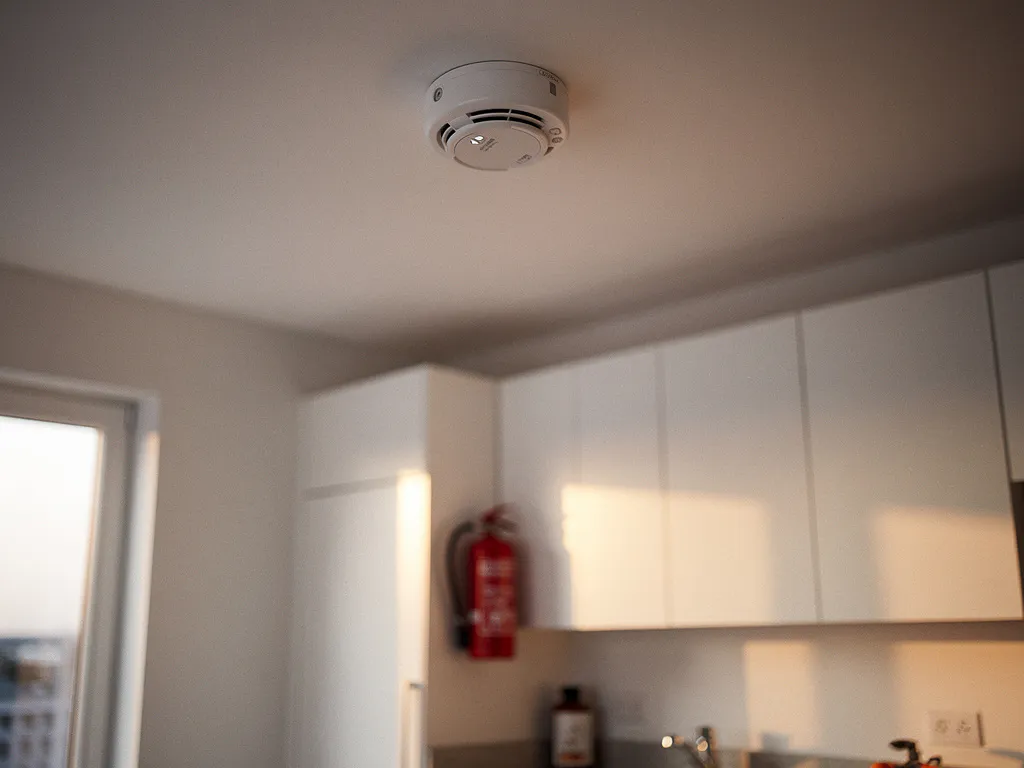
Renters can prevent fires by eliminating common household hazards, testing smoke detectors regularly, following safe cooking and electrical habits, and preparing a clear escape plan. Fire prevention for renters starts with awareness: most apartment fires are preventable with simple, consistent habits. The sections below cover the most important fire safety steps renters should take in 2026.
What are the most common fire hazards in rental properties?
The most common fire hazards in rental properties are cooking equipment, electrical faults, unattended candles, overloaded power strips, and portable heaters left too close to flammable materials. Understanding these hazards is the first step toward effective apartment fire safety.
Cooking is the leading cause of residential fires. Leaving the stove or oven unattended, cooking at excessively high temperatures, or allowing grease to accumulate on burners creates serious ignition risks. Even a momentary distraction can allow a small flame to escalate quickly in an enclosed kitchen.
Electrical hazards are equally significant in rental homes. Older buildings may have wiring that was never designed to support modern power demands. Plugging too many devices into a single outlet, using extension cords as permanent solutions, or ignoring warning signs like flickering lights and warm outlet covers can all lead to electrical fires. Renters should report any such signs to their landlord without delay.
Other common fire hazards renters face include:
- Candles left burning near curtains, bedding, or paper
- Portable space heaters placed within one metre of furniture or fabric
- Lint buildup in dryer vents
- Smoking indoors or on balconies near combustible materials
- Improperly stored flammable liquids such as cleaning products or aerosols
Are renters responsible for fire safety in their unit?
Yes, renters share responsibility for fire safety within their unit. While landlords are legally required to provide working smoke detectors and maintain the structural fire safety of the building, renters are responsible for their own behavior, habits, and the condition of the space they occupy.
In most jurisdictions, landlords must install smoke and carbon monoxide detectors, ensure fire exits are accessible, and maintain electrical systems. However, once a tenant moves in, day-to-day fire prevention becomes the tenant’s responsibility. This includes not blocking fire exits, reporting hazards promptly, and avoiding activities that create unnecessary risk.
Renters should review their lease agreement carefully. Many leases include specific fire safety clauses that prohibit certain activities such as using open-flame grills on balconies, storing flammable materials indoors, or tampering with smoke detectors. Violating these terms can have legal and financial consequences, particularly if a fire results in damage to the property or neighboring units.
Renters’ insurance is another important layer of protection. It does not prevent fires, but it covers personal belongings and can protect against liability if a fire in your unit causes damage to others. In 2026, many insurers also offer discounts for tenants who can demonstrate working smoke detectors and fire extinguishers on the premises.
How should renters test and maintain smoke detectors?
Renters should test smoke detectors once a month by pressing the test button until the alarm sounds, replace batteries at least once a year, and replace the entire unit every ten years. A smoke detector that does not respond to the test button needs immediate attention.
If your rental came with smoke detectors already installed, do not assume they are functional. Test them as soon as you move in. If a detector fails the test or chirps persistently, notify your landlord in writing. Keep a record of this communication in case the issue is ever disputed.
Placement matters as much as maintenance. Smoke detectors should be installed on every level of the home, inside each bedroom, and outside sleeping areas. Avoid placing them directly next to kitchens or bathrooms where steam and cooking smoke can trigger false alarms, which can lead residents to disable them out of frustration.
Renters should never remove batteries from a smoke detector to silence a false alarm. Instead, fan the air around the unit or move the source of steam away. Disabling a smoke detector, even temporarily, removes a critical layer of early warning protection.
What should a renter’s fire escape plan include?
A renter’s fire escape plan should include at least two exit routes from every room, a designated outdoor meeting point, knowledge of how to alert others in the building, and a clear protocol for calling emergency services. Every member of the household should know and practice the plan.
Start by walking through your unit and identifying all exits. In a multi-story building, locate the nearest stairwell and confirm it is accessible and unobstructed. Never plan to use an elevator during a fire. If your unit is above the ground floor, check whether a fire escape ladder is available and know exactly how to deploy it.
Your fire escape plan for renters should address these key elements:
- Primary and secondary exit routes from each room
- A meeting point outside and away from the building
- How to alert neighbors, especially those who may need assistance
- The local emergency number and building management contact
- What to do if smoke blocks your primary exit (stay low, seal door gaps, signal from a window)
Practice the plan at least twice a year, including a nighttime drill. Fires frequently start at night, and disorientation in darkness and smoke can be disabling. Familiarity with the route, practiced in advance, can make a decisive difference.
Which everyday habits reduce fire risk in a rental home?
The everyday habits that most effectively reduce fire risk in a rental home are never leaving cooking unattended, keeping flammable materials away from heat sources, avoiding overloaded outlets, and ensuring portable heaters are switched off when not in use. Consistency in these habits matters more than any single action.
In the kitchen, stay present while cooking and keep a lid nearby to smother a pan fire. Clean grease from the stovetop regularly and keep dish towels, paper, and packaging away from burners. If you use a microwave, never run it empty and avoid heating materials that are not microwave-safe.
Electrical safety deserves consistent attention. Use power strips with surge protection rather than basic extension cords, and do not daisy-chain multiple strips together. Unplug appliances when they are not in use, particularly those that generate heat, such as hair straighteners, toasters, and phone chargers left plugged in overnight.
Additional fire prevention habits worth building into daily routines include:
- Cleaning the dryer lint filter after every use
- Extinguishing candles before leaving a room or going to sleep
- Storing cleaning products and aerosols away from heat and direct sunlight
- Keeping the area around the boiler or furnace clear of clutter
- Checking that windows and fire exits are not blocked by furniture
What should renters do immediately after a fire in their building?
Immediately after a fire in your building, renters should evacuate without collecting belongings, alert others as they exit, call emergency services from outside the building, and not re-enter until authorities declare it safe. Acting quickly and without hesitation is the priority.
If you hear a fire alarm or smell smoke, treat it as a real emergency every time. Close doors behind you as you leave to slow the spread of fire and smoke. Touch door handles before opening them. If a handle is hot, do not open the door. Find an alternative route or signal for help from a window.
Once outside, go directly to your designated meeting point. Inform firefighters if you believe anyone is still inside the building. Do not attempt a rescue yourself. After the emergency, contact your landlord and renters’ insurance provider as soon as possible to begin documenting damage and arranging temporary accommodation if needed.
Renters should also take steps after the incident to review what happened and whether their fire prevention measures were adequate. This might include checking whether smoke detectors functioned correctly, whether the escape route was clear, and whether any hazards contributed to the fire’s cause or spread.
How ExxFire supports fire safety in enclosed and mission-critical environments
While the fire prevention steps above apply to renters in residential settings, organizations responsible for protecting high-value equipment in enclosed spaces face a more complex challenge. ExxFire’s integrated fire detection and suppression systems are purpose-built for exactly these environments.
ExxFire’s systems combine aspirating smoke detection with non-pressurized nitrogen gas suppression, delivered through patented Cool Gas Generator technology. Key features include:
- Early smoke detection that identifies a fire threat before it escalates
- Nitrogen-based suppression that leaves no chemical residue and causes no secondary damage to sensitive electronics
- Pre-engineered design for self-installation in server racks, switchgear cabinets, and electrical enclosures up to 4.5 m³
- Interconnectable units for larger volumes and built-in relay reporting to existing fire panels
- PFAS-free technology certified by CNPP France and tested by DMT, part of TÜV Nord
For facility managers, IT infrastructure directors, and safety officers looking to eliminate fire risk at the source without disrupting operations, ExxFire provides a proven, sustainable solution. Contact ExxFire to discuss how its systems can protect your critical assets.
Related Articles
- What is the purpose of a fire suppression system?
- Should you use a fire blanket or an extinguisher to put out a kitchen fire?
- What are the health risks of PFAS in fire suppression foam?
- Can fire suppression systems contribute to carbon reduction goals?
- How do you evaluate the lifecycle environmental impact of a suppression system?