

What fire prevention measures reduce the risk of a wildfire spreading?
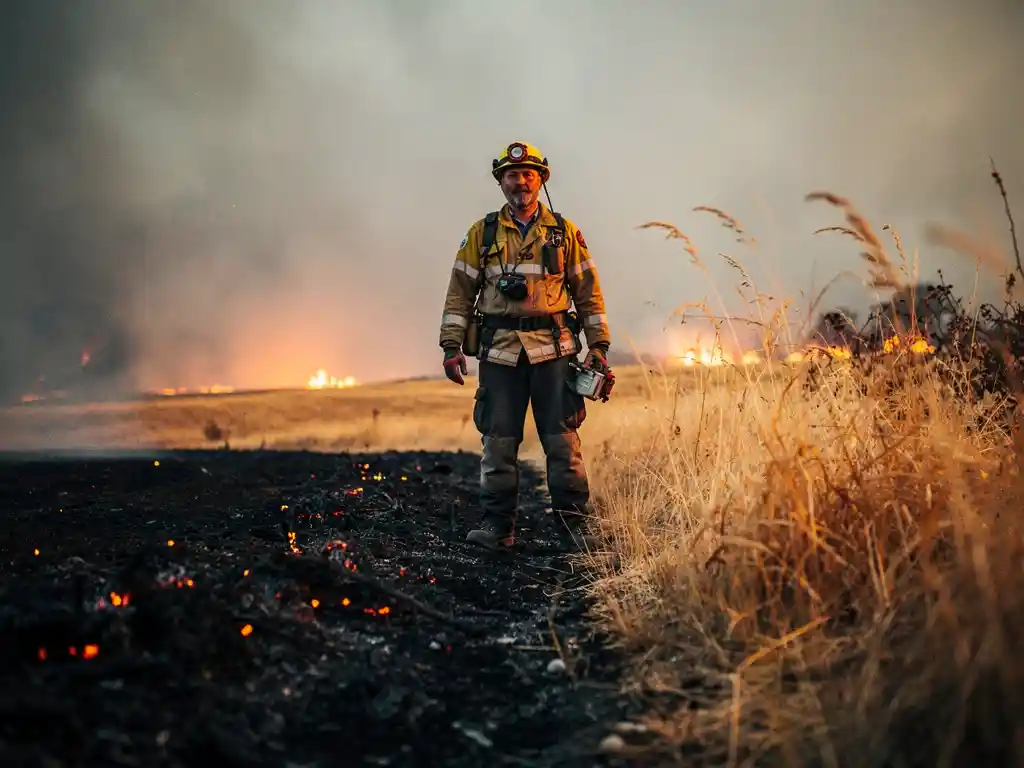
Effective fire prevention measures that reduce the risk of a wildfire spreading include creating defensible space around structures, removing dry vegetation and combustible materials, using fire-resistant building materials, and deploying early detection systems. These measures work together to slow ignition, interrupt fire pathways, and give responders time to act. The sections below address each layer of wildfire prevention in detail.
How does a wildfire actually spread from one area to another?
A wildfire spreads through three primary mechanisms: direct flame contact, radiant heat, and airborne embers known as firebrands. Of these, ember transport is the most dangerous over distance, as burning fragments can travel more than a kilometer ahead of the fire front and ignite new fires in locations far from the original blaze.
Wildfires need three elements to grow and travel: fuel, oxygen, and heat. Dry vegetation, timber, leaf litter, and even structural materials all serve as fuel. Wind accelerates the process dramatically, both by supplying oxygen and by carrying embers into unburned areas. Terrain also plays a role: fires move faster uphill because heat rises and preheats the fuel above, and valleys can act as natural chimneys that intensify flame behavior.
Understanding these spread mechanisms is the foundation of every effective wildfire prevention strategy. If you interrupt the fuel supply, block ember landing zones, or reduce radiant heat exposure, you reduce the probability of fire traveling from one area to the next.
What is defensible space and how does it reduce wildfire risk?
Defensible space is a buffer zone created around a structure by removing or reducing flammable vegetation and materials. It reduces wildfire risk by slowing or stopping the fire’s advance toward a building, lowering radiant heat exposure, and giving firefighters a safe area to work. Most fire safety authorities recommend a minimum of 30 meters of managed space around any structure in a wildfire-prone area.
Defensible space is typically organized in zones:
- Zone 1 (0 to 10 meters): The highest-priority area. Remove dead plants, dry leaves, and woodpiles. Keep grass short and well-watered. Avoid flammable mulch and ensure no vegetation touches the structure.
- Zone 2 (10 to 30 meters): Reduce fuel density without necessarily eliminating all vegetation. Space out trees and shrubs so fire cannot easily ladder from the ground to the canopy. Remove dead branches and undergrowth.
- Extended zone (30 meters and beyond): Where land ownership allows, continue thinning dense vegetation to slow the overall rate of fire spread toward the property.
Defensible space does not guarantee that a structure will survive a wildfire, but it significantly improves the odds. It also reduces the risk of a fire originating near a building and spreading outward into surrounding wildland, which makes it a two-directional fire prevention measure.
What are the most effective structural fire prevention measures for buildings?
The most effective structural fire prevention measures for buildings in wildfire-prone areas focus on eliminating ignition points and using materials that resist flame and ember penetration. Key measures include replacing combustible roofing with fire-rated materials, installing ember-resistant vents, sealing gaps in the building envelope, and using double-pane windows that resist radiant heat cracking.
Buildings most often ignite not from direct flame contact but from embers entering through vents, gaps under doors, or broken windows. Addressing these vulnerabilities is therefore as important as the materials used in construction. Practical structural measures include:
- Installing Class A fire-rated roofing materials such as metal, tile, or treated composite shingles
- Using ember-resistant mesh on all vents, including soffit, roof ridge, and foundation vents
- Replacing wooden decking and fencing attached to the structure with non-combustible or fire-resistant alternatives
- Sealing gaps around pipes, cables, and other penetrations in exterior walls
- Fitting multi-pane or tempered glass windows to reduce the risk of heat-induced breakage
- Ensuring gutters are metal and kept free of dry leaf accumulation
Retrofit programs can apply most of these measures to existing buildings, not just new construction. Prioritizing the roof and vents first delivers the greatest risk reduction per unit of investment, as these are statistically the most common ignition entry points.
How does early fire detection help prevent a wildfire from spreading?
Early fire detection reduces wildfire spread by triggering a faster response before a small ignition grows into an uncontrollable fire. The shorter the interval between ignition and suppression, the smaller the area burned and the lower the risk of fire reaching adjacent structures, vegetation, or critical infrastructure. Minutes matter: a fire can double in size in under two minutes under dry, windy conditions.
Detection technologies range from traditional smoke alarms to advanced systems that identify combustion particles at very low concentrations. Aspirating smoke detection, for example, actively draws air samples into a detection chamber, allowing it to identify smoke at much earlier stages than passive point detectors. This kind of early warning is especially valuable in environments where fire risk is high and response time is limited.
For communities and facilities located in wildfire-prone regions, detection is not limited to buildings. Remote sensor networks, thermal imaging cameras, and satellite monitoring systems now provide landscape-level fire detection, alerting authorities to new ignitions in remote areas before they develop into major events. Combining landscape detection with structure-level early warning creates a layered approach that significantly reduces the window during which a fire can spread unchecked.
What community-level measures are most effective at stopping wildfire spread?
Community-level wildfire prevention measures are most effective when they create coordinated fuel breaks, establish shared evacuation and response protocols, and ensure consistent vegetation management across property boundaries. No single property can fully protect itself if neighboring land remains heavily fueled, which is why community coordination multiplies the impact of individual actions.
The most impactful community measures include:
- Prescribed burns and controlled grazing: Reducing accumulated fuel loads across larger areas before fire season begins, preventing the buildup that makes wildfires more intense and faster-spreading.
- Community fuel breaks: Shared cleared corridors, often along roads or natural features, that interrupt continuous fuel beds and slow or redirect fire spread.
- Shared early warning systems: Community-wide alert networks that ensure all residents receive timely evacuation or shelter-in-place guidance when fire is detected nearby.
- Land-use planning and building codes: Zoning regulations that restrict high-density development in extreme fire-risk zones and mandate fire-resistant construction standards.
- Community education and preparedness programs: Regular training that ensures residents understand defensible space requirements, evacuation routes, and how to prepare structures before fire season.
Research consistently shows that communities with coordinated wildfire preparedness programs suffer less structural loss and recover more quickly after fire events than those relying on individual action alone. Shared responsibility and shared infrastructure are the cornerstones of effective community-level wildfire risk reduction.
When should fire suppression systems be used to protect assets in wildfire-prone areas?
Fire suppression systems should be used to protect assets in wildfire-prone areas whenever those assets are enclosed, mission-critical, or too valuable to risk losing to fire damage. This applies particularly to electrical infrastructure, communications equipment, battery energy storage systems, and data systems housed in cabinets or enclosures that cannot be relocated away from fire-risk zones.
Wildfire conditions create elevated risk not only from direct flame but also from smoke infiltration, heat exposure, and power disruptions that can trigger electrical faults inside equipment enclosures. A fire that starts inside a cabinet during a wildfire event compounds an already dangerous situation. Suppression systems installed directly within these enclosures address the risk at its source rather than relying solely on external firefighting resources, which may be unavailable or overwhelmed during a major wildfire.
The decision to install a suppression system should be guided by the value of the asset, the consequence of downtime, and the likelihood that external response will be delayed. In remote or semi-remote locations common to energy infrastructure and telecommunications, the answer is almost always that internal suppression is necessary.
How ExxFire helps protect critical assets in wildfire-prone environments
ExxFire’s integrated fire detection and suppression systems are purpose-built for exactly the kind of enclosed, high-value equipment that faces elevated risk in wildfire-prone areas. The systems combine aspirating smoke detection with non-pressurized nitrogen gas suppression, delivering early warning and immediate response within the enclosure itself, independent of external firefighting availability.
Key features that make ExxFire systems well-suited for wildfire-risk environments include:
- Aspirating smoke detection that identifies combustion particles at very low concentrations, triggering suppression before a small ignition develops into a damaging fire
- Nitrogen gas suppression that leaves no chemical residue, protecting sensitive electronics, battery systems, and switchgear from secondary damage
- Non-pressurized, solid-state gas storage that eliminates the safety and maintenance concerns associated with pressurized cylinders
- PFAS-free technology that meets the growing demand for environmentally responsible fire safety solutions
- Easy self-installation without specialist certification, reducing deployment time and total cost of ownership in remote or distributed infrastructure locations
- Integration with existing fire panels via built-in relays, ensuring the system fits into broader site-level fire safety infrastructure
Whether you are protecting a battery energy storage system in a remote solar installation, a switchgear cabinet at a substation, or an ICT enclosure in a facility near a fire-risk zone, ExxFire provides a certified, tested, and environmentally responsible solution. Contact ExxFire to discuss which system configuration best fits your asset protection requirements.
Related Articles
- How do fire safety regulations differ across industries in Europe?
- What is defensible space and how does it prevent wildfire damage?
- Should you use a fire blanket or an extinguisher to put out a kitchen fire?
- How do clean agent systems protect sensitive equipment from fire damage?
- What is the environmental impact of CO2 fire suppression systems?