

How do you maintain compliance with fire safety standards over time?
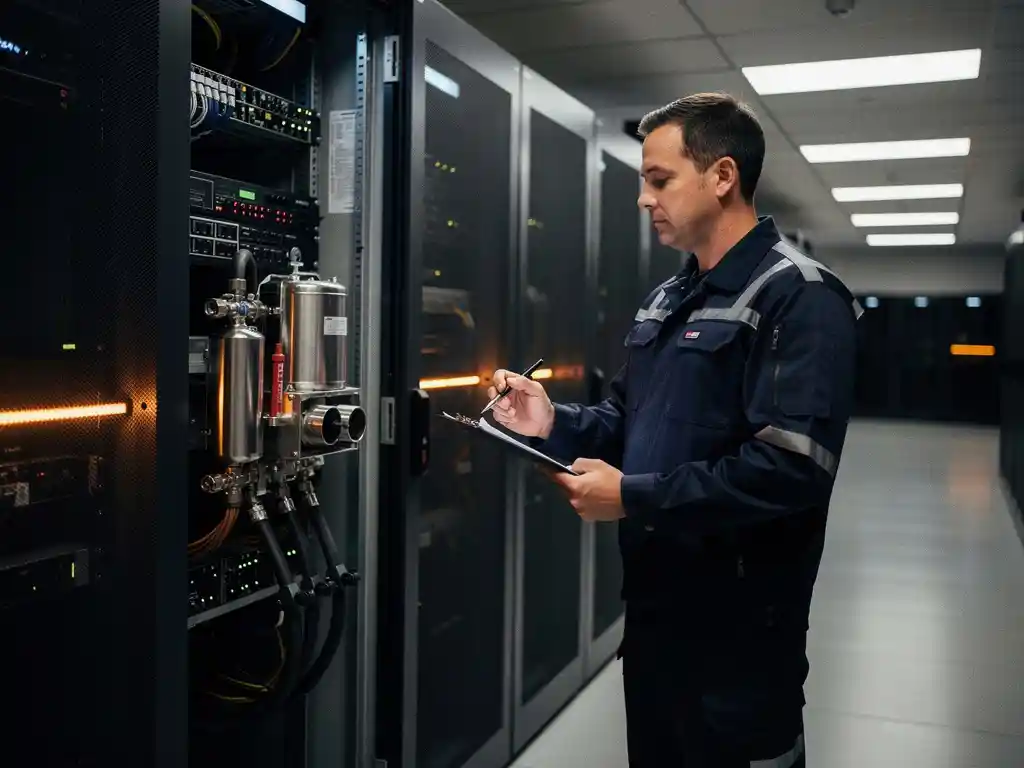
Maintaining compliance with fire safety standards over time requires a combination of staying current with regulatory updates, conducting regular audits, training staff, and ensuring that any equipment changes are assessed against applicable codes. For industrial facilities, this is not a one-time task but an ongoing operational discipline. The sections below address the most common questions safety and compliance managers face when managing fire safety compliance over the long term.
What fire safety standards apply to industrial facilities?
Industrial facilities are typically subject to a layered set of fire safety standards that vary by country, industry sector, and the nature of the hazards present. In most cases, facilities must comply with a combination of national building codes, insurance requirements, and internationally recognized frameworks such as NFPA standards or FM Global guidelines. ATEX directives apply wherever explosive atmospheres are a risk.
The most relevant frameworks for industrial fire safety compliance include:
- NFPA codes — particularly NFPA 72 (fire alarm systems), NFPA 13 (sprinkler systems), and NFPA 2001 (clean agent suppression), which are widely adopted globally as benchmark standards
- FM Global Property Loss Prevention Data Sheets — relevant for insured facilities operating under FM Global coverage
- ATEX Directive (EU) / IECEx (international) — mandatory for equipment installed in zones with flammable gases, vapors, or dusts
- ISO 7240 series — covering fire detection and alarm systems
- Local building codes and fire authority requirements — which often reference or adopt the above frameworks with local amendments
The applicable standards depend heavily on the specific risks within a facility. A petrochemical plant faces different compliance obligations than a manufacturing facility housing electrical switchgear. Identifying the correct standards for each zone within a facility is the first step toward a defensible compliance program.
How often do fire safety standards change, and how do you track updates?
Fire safety standards are revised on a regular cycle, typically every three to five years for major frameworks such as NFPA codes. However, amendments, tentative interim amendments, and updated guidance documents can appear more frequently. Regulatory bodies also issue new standards in response to emerging hazards, such as the growing body of guidance around battery energy storage system fire risks.
Tracking updates requires a structured approach rather than relying on informal awareness. Effective methods include:
- Subscribing directly to update notifications from standards bodies such as NFPA, ISO, and local fire authorities
- Maintaining relationships with your fire safety equipment suppliers and system integrators, who typically monitor standard changes that affect their products
- Engaging a third-party fire safety consultant to conduct periodic compliance gap assessments
- Participating in industry associations or working groups where regulatory changes are discussed ahead of formal publication
- Building standard review cycles into your facility’s annual safety management calendar
One practical approach is to assign a named individual or team responsibility for monitoring fire safety regulations. When a new edition of a relevant standard is published, that person initiates a review to determine whether any changes affect current systems, procedures, or equipment specifications.
What does a fire safety compliance audit actually involve?
A fire safety compliance audit is a structured review of a facility’s fire protection measures against the requirements of applicable standards, codes, and regulations. It typically covers documentation, physical inspection of installed systems, testing of detection and suppression equipment, review of maintenance records, and assessment of emergency procedures and staff training.
Documentation and records review
Auditors will examine installation certificates, equipment test reports, maintenance logs, and any previous audit findings. For suppression systems, this includes verifying that installed systems match the original design specifications and that any modifications have been properly documented and re-certified where required.
Physical inspection and functional testing
Beyond paperwork, auditors physically inspect detection devices, suppression agents, control panels, and alarm pathways. Functional tests confirm that detection triggers suppression correctly and that alarms relay to the appropriate monitoring points. Any gaps between the as-installed condition and the required standard are recorded as findings requiring corrective action.
Audits may be conducted internally, by insurers, by local fire authorities, or by independent third-party specialists. The frequency varies, but most industrial facilities should expect some form of formal fire safety inspection at least annually, with more detailed third-party audits every two to three years.
How do you maintain compliance when upgrading or modifying equipment?
Any modification to protected equipment or to the facility itself can affect the validity of existing fire protection measures. Maintaining fire safety compliance through upgrades requires treating fire protection as part of the change management process, not as an afterthought.
When planning equipment changes, compliance managers should:
- Assess the impact on existing fire protection — determine whether the modification changes the hazard profile, the enclosure volume, the heat load, or the proximity to detection or suppression components
- Review applicable standards for the new configuration — a change that introduces a different fuel type or increases the risk level may trigger a requirement to upgrade the suppression system
- Consult the system installer or manufacturer — particularly for suppression systems that are certified for specific enclosure types or volumes, as modifications outside the certified parameters may void the certification
- Update documentation and re-test — any change should be followed by updated as-built records, revised risk assessments, and functional testing of the modified configuration
- Notify relevant authorities where required — some jurisdictions require formal notification or re-inspection when fire protection systems are altered
The most common compliance gap in industrial settings arises when equipment is upgraded without reassessing the fire protection covering it. A switchgear cabinet that doubles in electrical load, for example, may now require a higher-specification detection and suppression solution than was originally installed.
What’s the difference between active and passive fire protection compliance requirements?
Active fire protection refers to systems that detect and respond to fire, including smoke detectors, sprinklers, and suppression systems. Passive fire protection refers to structural measures that contain or slow the spread of fire, such as fire-rated walls, doors, and cable penetration seals. Both categories carry compliance requirements, but they are governed by different standards and inspected differently.
For active fire protection, compliance typically requires that systems are installed, commissioned, tested, and maintained in accordance with the relevant product and system standards. Detection sensitivity, suppression agent concentration, and alarm response times are all measurable parameters that must meet defined thresholds.
For passive fire protection, compliance focuses on the integrity of fire-rated assemblies. This means ensuring that penetrations through fire-rated walls are properly sealed, that fire doors close and latch correctly, and that structural fire protection coatings remain undamaged. Passive measures are often compromised during facility modifications when cable routes or pipe runs are added without restoring the fire rating of penetrated surfaces.
Industrial facilities need to manage both categories as part of a coherent fire safety compliance program. A facility that maintains excellent active systems but allows passive barriers to deteriorate is not fully compliant and remains vulnerable to fire spread beyond the initially affected area.
What happens if a facility falls out of fire safety compliance?
The consequences of non-compliance with fire safety regulations range from financial penalties and increased insurance premiums to forced operational shutdowns and, in the most serious cases, criminal liability following a fire incident. The specific consequences depend on the jurisdiction, the severity of the non-compliance, and whether the deficiency contributed to an actual incident.
Regulators and fire authorities typically follow an escalating enforcement process:
- Improvement notices — requiring specific deficiencies to be corrected within a defined timeframe
- Prohibition notices — restricting or stopping operations in areas where the risk is considered immediately serious
- Prosecution — in cases of persistent non-compliance or where non-compliance contributed to injury, death, or significant property loss
Beyond regulatory action, insurance implications are significant. If an insurer’s risk assessment identifies compliance gaps that were not disclosed, claims following a fire event may be partially or fully rejected. This makes fire safety compliance not only a regulatory obligation but a direct financial risk management issue.
Facilities that proactively document their compliance status, address audit findings promptly, and maintain a clear audit trail of inspections and maintenance are in a much stronger position both with regulators and with insurers.
How ExxFire helps with fire safety compliance
ExxFire’s integrated fire detection and suppression systems are designed to support industrial facilities in meeting and maintaining fire safety compliance requirements for critical enclosed equipment. The systems combine aspirating smoke detection with non-pressurized nitrogen gas suppression, and are independently tested and certified by CNPP in France, giving compliance managers a documented, third-party validated solution.
Key compliance-relevant features include:
- Pre-engineered, self-installable design — no specialist certification required for installation, reducing the administrative burden and the risk of non-compliant installation practices
- Built-in relay reporting — systems integrate with existing fire panels, ensuring that detection and suppression events are captured within the facility’s overall fire alarm infrastructure
- PFAS-free nitrogen suppression — aligns with evolving environmental regulations that are progressively restricting PFAS-containing extinguishing agents
- Scalable protection — units cover enclosures up to 4.5 m³ and can be interconnected for larger volumes, allowing the solution to adapt when equipment configurations change
- Low maintenance requirements — reducing the compliance risk associated with systems that are difficult or costly to service regularly
If you are reviewing your facility’s fire suppression compliance or planning an equipment upgrade, contact ExxFire to discuss how the system can be configured for your specific enclosures and compliance requirements.