

Should facility managers choose a modular or fixed fire suppression system?
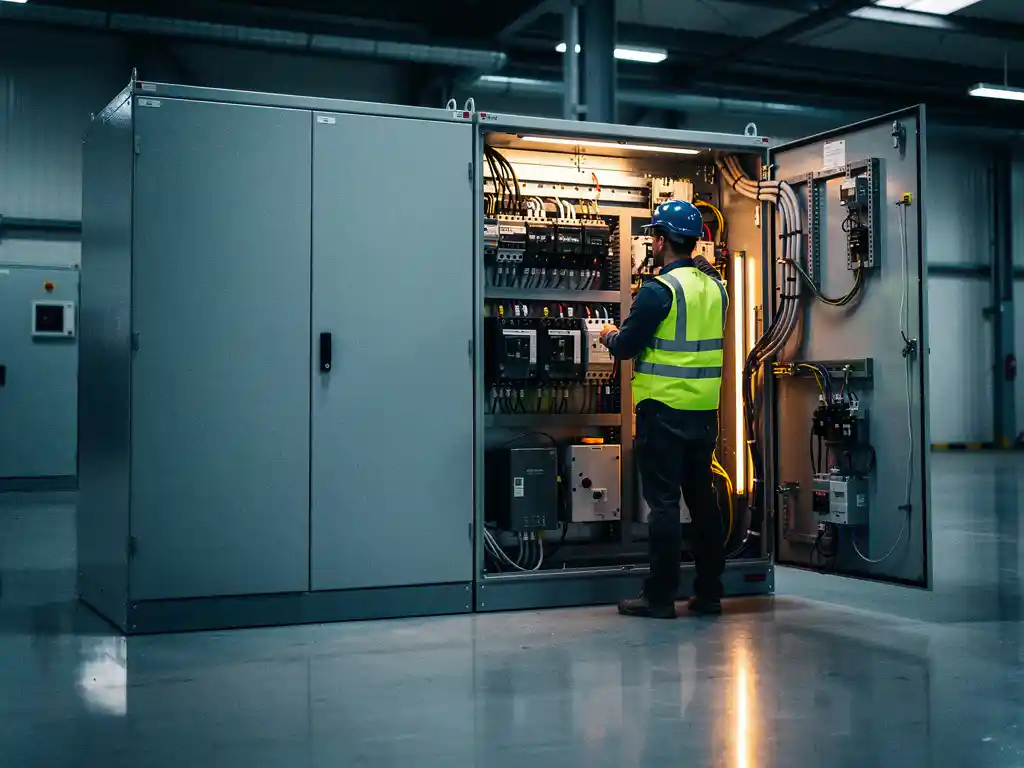
Facility managers should generally choose a modular fire suppression system when they need targeted protection for specific enclosures or equipment, and a fixed system when they require comprehensive coverage across an entire space or building zone. The right choice depends on the nature of the assets being protected, the physical environment, and the operational flexibility the facility requires. The questions below break down the key differences to help you make a confident, well-informed decision.
What are the key differences between modular and fixed fire suppression systems?
A modular fire suppression system is a self-contained unit designed to protect a specific piece of equipment or enclosure, operating independently without requiring centralized infrastructure. A fixed fire suppression system, by contrast, is permanently integrated into a building or facility, using a network of pipework, nozzles, and a central agent supply to protect an entire room or zone.
The distinction goes beyond physical design. Modular systems are engineered around the asset they protect rather than the space it occupies. They typically include integrated detection and suppression in a single unit, and they activate locally the moment a threat is detected within the protected enclosure. Fixed systems take a broader approach, suppressing fire across a defined area regardless of where within that space the fire originates.
Key differences between the two types include:
- Scope of protection: Modular systems protect specific objects or enclosures; fixed systems protect rooms or zones
- Infrastructure requirements: Fixed systems require pipework, storage tanks, and a centralized agent supply; modular systems are self-contained
- Activation logic: Modular systems detect and suppress at the source; fixed systems flood or discharge across a defined area
- Scalability: Modular systems can be added incrementally as new equipment is installed; fixed systems require upfront design for the full protected space
- Agent type: Fixed systems commonly use gaseous agents, water mist, or foam; modular systems often use inert gases or dry chemicals stored within the unit itself
Understanding these structural differences is the foundation for any fire suppression system comparison at the facility level.
Which type of fire suppression system is better for protecting critical equipment?
For protecting critical equipment such as electrical cabinets, server racks, switchgear, or battery energy storage systems, a modular fire suppression system is generally the more effective choice. Modular systems suppress fire at the source, inside the enclosure, before it can spread to surrounding infrastructure, minimizing both equipment damage and operational downtime.
Fixed systems are designed for spatial coverage, not object-level precision. When a fixed system activates, it discharges agent throughout a room or zone. This approach is appropriate for general space protection, but it introduces a delay between ignition and suppression that can be costly when the fire originates inside a sealed enclosure. By the time a room-level system detects and responds, the equipment inside the cabinet may already be severely damaged.
Modular systems address this gap by placing detection directly at the point of risk. Early smoke detection within the enclosure triggers suppression before flames develop, which is critical for sensitive electronics where even minor thermal damage can cause significant data loss or system failure. For industrial fire suppression applications involving high-value or mission-critical assets, this object-level protection is a meaningful operational advantage.
How does installation complexity differ between the two system types?
Modular fire suppression systems are significantly simpler to install than fixed systems. Most modular units are pre-engineered and self-contained, requiring no specialized pipework, no dedicated suppression agent storage room, and no complex hydraulic calculations. In many cases, installation can be completed by facility personnel without requiring a certified fire suppression contractor.
Fixed fire suppression systems involve considerably more planning and labor. Installation requires a full system design, including agent quantity calculations, pipe sizing, nozzle placement, and integration with the building’s fire alarm infrastructure. This work typically demands certified engineers and must be completed before the space is operational. Retrofitting a fixed system into an existing facility can be particularly disruptive, often requiring structural modifications and extended downtime.
For facility managers working in environments where equipment is added incrementally, or where minimizing installation disruption is a priority, the lower complexity of modular systems translates directly into faster deployment and reduced installation cost. This is especially relevant in 2026, as facilities increasingly operate with lean maintenance teams and tighter project timelines.
What maintenance requirements should facility managers expect for each system?
Fixed fire suppression systems generally carry higher ongoing maintenance requirements than modular systems. They involve pressurized storage vessels, extended pipework, multiple nozzles, and centralized control panels, all of which require periodic inspection, pressure testing, and certification by qualified technicians. Annual servicing by a licensed contractor is typically mandatory under most industrial fire safety standards.
Modular systems have a simpler maintenance profile. Because they are self-contained and non-pressurized in many designs, they have fewer components subject to wear or pressure-related degradation. Routine checks typically involve verifying detector sensitivity, confirming system status indicators, and ensuring the suppression agent is within its service life. Many modular systems can report status remotely to an existing fire panel, which further simplifies ongoing monitoring.
That said, maintenance requirements for any suppression system depend on the specific technology and the regulatory environment in which the facility operates. Facility managers should always verify maintenance intervals against applicable standards and the manufacturer’s documentation, and factor total lifecycle maintenance cost into any fire suppression system selection decision.
When should a facility manager choose a modular system over a fixed one?
A facility manager should choose a modular fire suppression system when the primary risk is concentrated in specific, enclosed assets rather than distributed across an open space. This is particularly true for electrical enclosures, ICT cabinets, control panels, and battery systems where a fire starting inside the enclosure poses the greatest threat to operations.
Modular systems are also the better choice in the following scenarios:
- Retrofitting protection into existing facilities where installing fixed pipework would be too disruptive or cost-prohibitive
- Protecting equipment in leased or temporary spaces where permanent infrastructure modifications are not permitted
- Adding protection incrementally as new equipment is commissioned, without redesigning the broader suppression infrastructure
- High-sensitivity environments where a room-level discharge of suppression agent could damage surrounding equipment or create hazardous conditions for personnel
- Facilities with limited maintenance resources that benefit from simpler, lower-frequency servicing requirements
A fixed system remains the appropriate choice when the entire room or zone presents fire risk, when local regulations mandate room-level suppression for a particular occupancy type, or when a facility already has fixed infrastructure in place that can be extended cost-effectively.
Are modular fire suppression systems compliant with industrial fire safety standards?
Yes, modular fire suppression systems can fully comply with industrial fire safety standards, provided they are tested and certified by recognized independent bodies. Compliance depends on the specific product, the certifying authority, and the standards applicable in the jurisdiction where the system is deployed. Facility managers should always verify that any modular system they specify carries relevant third-party certification before procurement.
In industrial environments, relevant standards and frameworks may include FM Global requirements, NFPA guidelines, and regional standards such as those applied by certification bodies in Europe. Systems that have undergone independent fire testing and received certification from accredited laboratories provide the documentation trail that compliance and insurance requirements demand.
It is also worth noting that compliance is not solely a product-level question. Installation practices, maintenance records, and integration with the wider fire safety management system all contribute to a facility’s overall compliance posture. A certified modular system installed and maintained according to the manufacturer’s specifications and applicable codes will satisfy the requirements of most industrial fire safety programs. Facility managers should work with their fire safety consultants and insurers to confirm that the selected system meets all site-specific obligations.
How ExxFire supports modular fire suppression for critical equipment
ExxFire’s integrated fire detection and suppression systems are purpose-built for facility managers who need reliable, object-level protection without the complexity of fixed infrastructure. The systems combine aspirating smoke detection with non-pressurized nitrogen suppression in a single pre-engineered unit, making them a practical modular solution for enclosures such as electrical cabinets, switchgear, and battery energy storage systems.
Key features relevant to facility managers evaluating their options include:
- Non-pressurized nitrogen suppression: Eliminates the risk of pressure-related failure and leaves no chemical residue, protecting sensitive electronics and avoiding secondary damage
- Early smoke detection: Aspirating detection identifies smoke at the earliest stage, enabling suppression before open flames develop
- Self-installation design: Pre-engineered units require no special certification to install, reducing deployment time and contractor costs
- Scalable configuration: Multiple units can be interconnected to protect larger enclosure volumes up to and beyond 4.5 m³
- Fire panel integration: Built-in relays allow the system to report status to an existing fire panel, supporting seamless integration with facility-wide fire safety infrastructure
- Independent certification: Systems are tested and certified by CNPP in France, providing the documented compliance evidence that industrial safety programs require
If you are evaluating fire suppression options for critical equipment in your facility, contact ExxFire to discuss which configuration fits your specific enclosure types, risk profile, and compliance requirements.