

What fire risks do candles pose in a home?
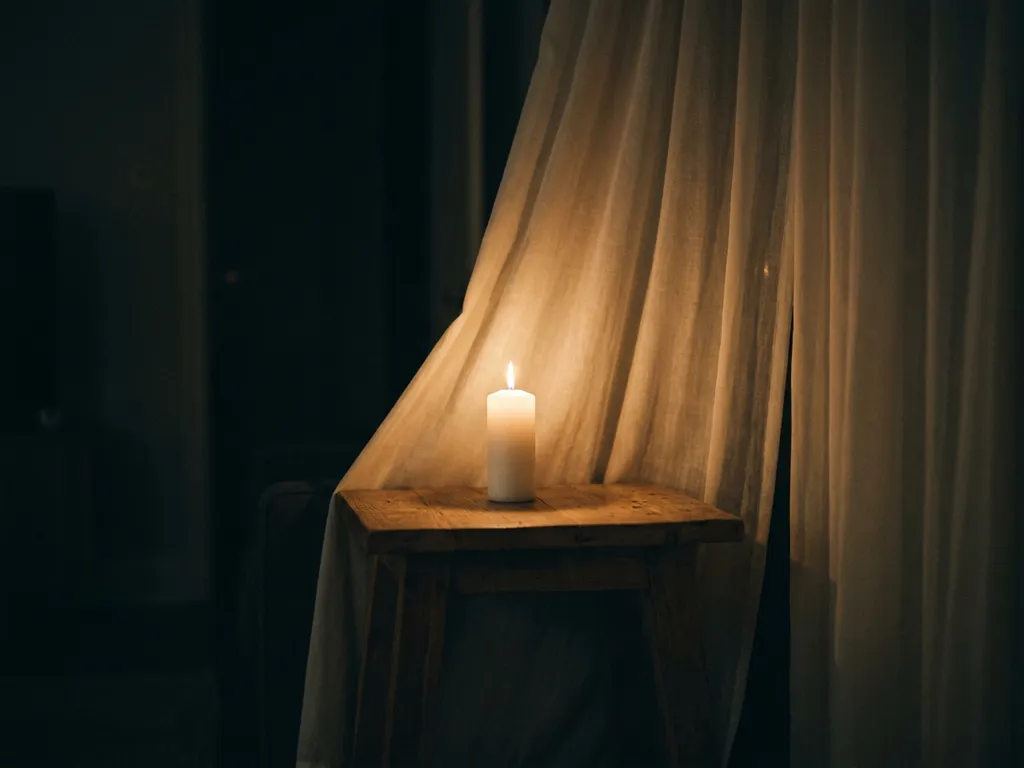
Candles pose a genuine fire risk in the home. They are an open flame that may be left unattended or placed near flammable materials, and they account for a meaningful share of residential fires each year. Understanding how and why candle fires start is the first step toward preventing them, and the sections below cover the most important questions around candle fire safety.
How often do candles cause house fires?
Candles are a leading cause of residential fires worldwide. In many countries, fire safety authorities consistently rank candles among the top five causes of home fires. Most candle-related fires occur when a candle is left burning unattended, placed too close to flammable materials, or knocked over accidentally. The risk is highest in bedrooms and living rooms, where candles are used most frequently.
The frequency of candle fires tends to spike during winter months and holiday periods, when candle use increases significantly. Evenings also carry a higher risk, as people light candles for ambiance and then fall asleep or leave the room. Even a brief lapse in attention can allow a small flame to ignite nearby materials within minutes.
What materials can a candle flame ignite?
A candle flame can ignite almost any household material placed in close proximity. The most commonly ignited items include curtains, bedding, clothing, paper, books, wooden furniture, and decorative items such as dried flowers or wreaths. Because a candle flame burns at temperatures exceeding 1,000 degrees Celsius at its core, even materials that seem sturdy can catch fire quickly.
Soft furnishings are particularly vulnerable. Curtains hanging near a windowsill candle can catch a draft and swing into the flame. Bedding left near a bedside candle can ignite if the candle is forgotten. Decorative items placed around candles for aesthetic effect — such as tissue paper, ribbons, or fabric decorations — are among the most dangerous companions for an open flame.
It is also worth noting that some materials do not need direct contact with the flame to ignite. Heat radiating from a burning candle can warm nearby objects enough to cause smoldering, particularly in enclosed spaces with poor ventilation.
What causes a candle to become a fire hazard?
A candle becomes a fire hazard primarily through human behavior rather than any fault of the candle itself. The three most common causes are leaving a candle unattended, placing it near flammable objects, and allowing the wick to burn too long. Each of these situations dramatically increases the likelihood of a fire starting.
An untrimmed wick is a frequently overlooked hazard. When a wick grows too long, the flame becomes larger and more erratic, producing more heat and increasing the chance of the wax pool overflowing or nearby materials catching fire. Most candle manufacturers recommend trimming the wick to around 5 millimeters before each use.
Drafts are another significant contributor to candle fire risks. An open window or a fan can cause a flame to flicker unpredictably, bringing it into contact with nearby materials or causing hot wax to spill. Placing candles in drafty locations is a common mistake that significantly raises the fire risk.
Are certain types of candles more dangerous than others?
Yes, some candle types carry higher fire risks than others. Tall, thin taper candles are more likely to tip over than short, wide pillar candles. Candles in shallow holders or without holders at all offer no protection against wax overflow or accidental knocking. Tea lights, while small, can melt through cheap plastic holders and cause hot wax to spill onto flammable surfaces.
Scented candles with multiple wicks burn at higher temperatures and produce a larger flame surface area, which increases the risk of igniting nearby objects. Novelty candles shaped like objects or embedded with decorations can burn unevenly, causing the flame to travel in unexpected directions.
Candles in glass containers are generally considered safer because the glass contains dripping wax and provides stability. However, if the glass cracks from heat — which can happen when the wax burns too low — the contained flame can suddenly become exposed. Regardless of candle type, the fundamental candle safety principles remain the same: supervision, clearance from flammables, and proper holders.
How can candle fires be prevented at home?
Candle fire prevention at home comes down to a few consistent habits. The most effective measures are never leaving a burning candle unattended, keeping candles at least 30 centimeters away from anything flammable, and always placing them in sturdy, heat-resistant holders on stable surfaces. These three actions alone eliminate the majority of candle fire hazards.
Additional prevention steps include:
- Trimming the wick to approximately 5 millimeters before lighting
- Keeping candles out of reach of children and pets
- Never burning a candle in a bedroom if there is any risk of falling asleep
- Extinguishing all candles before leaving a room or going to bed
- Avoiding placing candles near windows, fans, or air vents where drafts can cause erratic flames
- Using a snuffer rather than blowing out a candle, which can send sparks onto nearby materials
- Stopping use when only around 2 centimeters of wax remain, as the holder can overheat at this point
Installing working smoke detectors in rooms where candles are regularly used is also a critical layer of protection. A smoke alarm cannot prevent a candle fire, but it can alert occupants before a small flame becomes a large blaze.
What should you do if a candle starts a fire?
If a candle starts a fire, act immediately and prioritize personal safety above all else. If the fire is very small — such as a piece of paper or a small cloth that has just caught flame — smother it with a fire blanket or damp cloth, or use a dry powder fire extinguisher. Never use water on a wax fire, as this can cause the burning wax to splatter and spread the flames.
If the fire is growing or you are unsure whether you can control it safely, leave the room immediately, close the door behind you to slow the spread of fire and smoke, and call the emergency services from outside the building. Do not re-enter the building for any reason until fire services have declared it safe.
Before leaving, alert everyone else in the home. Fires spread faster than most people expect, and a candle fire that seems small can engulf a room within two to three minutes if it reaches curtains or upholstered furniture. Having a clear evacuation plan and knowing where the nearest exit is makes a significant difference in outcomes.
How ExxFire Helps Protect Against Fire Risks
While candle fire safety is primarily a matter of personal habits at home, fire protection in professional and commercial environments demands more robust, engineered solutions. ExxFire specializes in protecting high-value equipment and mission-critical assets from fire through integrated detection and suppression technology.
Key features of ExxFire’s approach to fire protection include:
- Early smoke detection: Aspirating smoke detection identifies fire at the earliest possible stage, before flames develop
- Non-pressurized nitrogen suppression: The patented Cool Gas Generator suppresses fire using clean, inert nitrogen gas that leaves no chemical residues and causes no damage to sensitive electronics
- PFAS-free technology: ExxFire systems offer a sustainable alternative to conventional gas extinguishing agents, supporting environmental compliance goals
- Easy installation and low maintenance: Systems are pre-engineered for straightforward self-installation and require no ongoing check-ups after commissioning
- Certified and tested: All systems are tested and certified by CNPP in France and validated by DMT, part of TÜV Nord in Germany
Whether protecting server racks, electrical cabinets, battery energy storage systems, or switchgear, ExxFire delivers reliable object-level fire protection. Explore ExxFire’s fire suppression systems to find the right solution for your critical infrastructure.