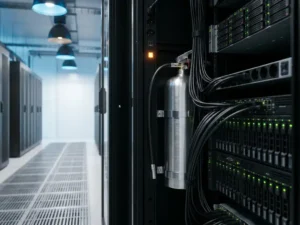
How do you reduce fire risk without disrupting daily operations?
Protect mission-critical equipment from fire without halting operations — discover how object-level suppression changes everything.


Protect mission-critical equipment from fire without halting operations — discover how object-level suppression changes everything.
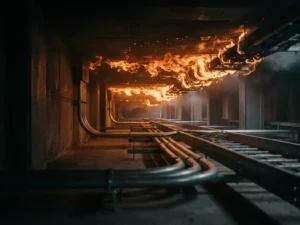
Heat, fuel, and oxygen create a self-reinforcing cycle — here's exactly how fire spreads and where buildings are most vulnerable.
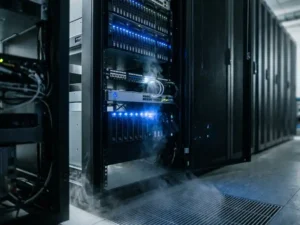
Electrical faults, overheating, and poor airflow make server rooms high fire risks — here's how to protect them.
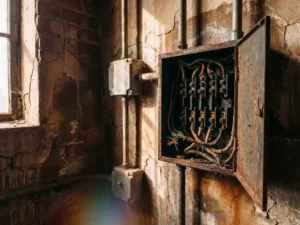
Aging wiring, outdated detection, and modern electrical loads make older buildings a serious fire risk — here's what to do.
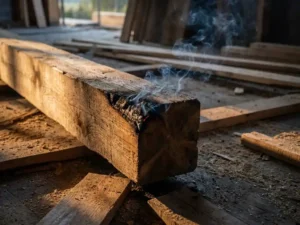
Untreated timber can ignite at 250°C and trigger full structural collapse in under 30 minutes — here's what every builder must know.
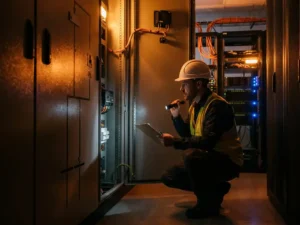
Learn what a fire risk assessment covers, who's legally required to act, and how it protects your premises.
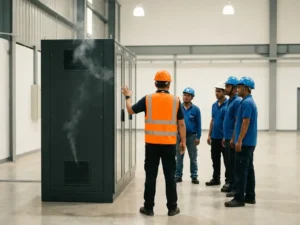
Generic fire safety briefings fail. Discover role-specific strategies that turn awareness into consistent, measurable safe behavior.
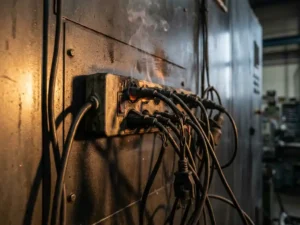
Overloaded sockets are a leading fire hazard — learn the warning signs, risky devices, and prevention steps that could save lives.
Summer heat and winter cold both spike fire risk—discover which seasonal hazards threaten your infrastructure most.
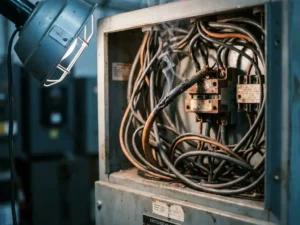
Faulty wiring kills — discover the hidden electrical hazards silently raising your building's fire risk today.