

How do you prevent fires in a restaurant kitchen?
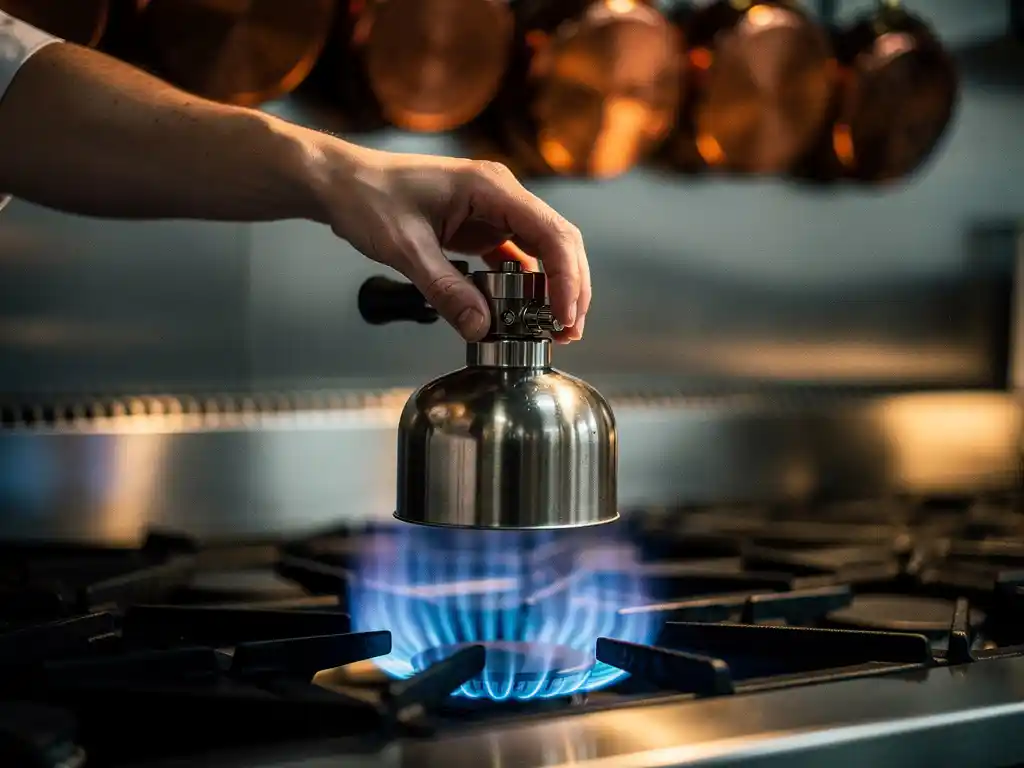
Restaurant kitchen fires are one of the leading causes of commercial property damage, but they are largely preventable. The key to preventing fires in a restaurant kitchen is a combination of routine cleaning, proper equipment maintenance, safe storage practices, trained staff, and reliable fire suppression systems. This article walks through the most important questions every restaurant operator should be able to answer.
What are the most common causes of fires in restaurant kitchens?
The most common causes of fires in restaurant kitchens are grease and oil buildup on cooking surfaces and exhaust systems, unattended cooking equipment, and faulty or poorly maintained appliances. These three factors account for the vast majority of commercial kitchen fires and are all preventable with consistent maintenance and staff awareness.
Grease is by far the most dangerous culprit. As cooking oils and fats heat up, they produce vapors that accumulate on hood filters, ductwork, and exhaust fans. When these surfaces are not cleaned regularly, the buildup becomes highly flammable. A single temperature spike or small flame can ignite accumulated grease and spread a fire rapidly through the ventilation system.
Beyond grease, other common commercial kitchen fire hazards include:
- Unattended open flames from gas burners left on without supervision
- Faulty electrical wiring or overloaded circuits connected to high-draw appliances
- Improper storage of flammable materials such as paper towels, cardboard, or cleaning chemicals near heat sources
- Malfunctioning fryers or ovens that overheat due to a lack of servicing
- Combustible materials placed too close to cooking equipment, including aprons, cloths, and packaging
Understanding these hazards is the foundation of effective restaurant kitchen fire prevention. Each one can be controlled through discipline, training, and the right systems in place.
How often should commercial kitchen equipment be cleaned to reduce fire risk?
Commercial kitchen equipment should be cleaned on a schedule that reflects how heavily it is used. Cooking surfaces and fryers should be cleaned daily, hood filters should be cleaned weekly or bi-weekly in high-volume kitchens, and full duct and exhaust system cleaning should be performed at least quarterly, with monthly cleaning recommended for kitchens that cook with heavy grease loads.
The National Fire Protection Association and fire safety authorities across Europe and North America consistently identify inadequate cleaning as a primary contributing factor in kitchen fires. A cleaning schedule that is not tied to actual usage volume is one of the most common mistakes operators make.
As a practical guide, here is a cleaning frequency framework for kitchen fire safety:
- Daily: Wipe down cooking surfaces, clean grease traps on fryers, remove grease from stovetop areas
- Weekly: Clean hood filters, inspect and wipe down the inside of the hood canopy
- Monthly: Inspect ductwork visually, clean exhaust fans if accessible, check for grease pooling
- Quarterly (or more frequently): Full professional duct cleaning, inspection of suppression system nozzles, service check on all cooking appliances
Keeping written cleaning logs is also strongly recommended. In the event of an insurance claim or a fire investigation, documented cleaning records demonstrate that due diligence was exercised.
What fire suppression systems are required in a commercial kitchen?
Commercial kitchens are generally required by building codes and fire safety regulations to have a fixed fire suppression system installed above cooking equipment, particularly above deep fryers, ranges, and griddles. In most jurisdictions, this means a wet chemical suppression system integrated with the kitchen hood, designed specifically to suppress grease fires and automatically shut off gas or electricity to the cooking appliances.
The specific requirements vary by country and local fire code, but the underlying principle is consistent: any cooking equipment that produces grease-laden vapors must be protected by an automatic suppression system. Portable fire extinguishers, while required as a backup, are not a substitute for a fixed suppression system in a commercial kitchen.
Key components of a compliant restaurant fire suppression setup typically include:
- A wet chemical fixed suppression system covering all cooking appliances beneath the hood
- Automatic fuel shutoff that cuts gas or electricity when the system activates
- A Class K fire extinguisher (or Class F in European standards) within reach of cooking staff
- Smoke and heat detectors in the kitchen area connected to the building’s fire alarm system
- Regular inspection and service of all suppression components, typically every six months
Restaurant operators should work directly with a certified fire safety professional to ensure their suppression setup meets local regulatory requirements. Non-compliance can result in failed inspections, insurance cancellation, or closure orders.
How do you store flammable materials safely in a restaurant kitchen?
Flammable materials in a restaurant kitchen should be stored away from heat sources, in clearly labeled, closed containers, and in quantities no larger than what is needed for daily operations. Cooking oils, cleaning chemicals, and paper or cardboard supplies are the most common flammable materials in a commercial kitchen, and each requires a specific approach to safe storage.
Cooking oils should never be stored directly next to fryers or open flames. Ideally, bulk oil storage should be in a cool, dry area away from the cooking line. Only the quantity needed for the current service period should be kept at the station.
Cleaning chemicals present a different kind of risk. Many degreasers and sanitizers are flammable or produce flammable vapors. These should be stored in a designated chemical storage area, separate from food and cooking equipment, with proper ventilation. Chemicals should always be kept in their original labeled containers or clearly marked secondary containers.
Additional storage practices that support kitchen fire safety include:
- Keep combustible materials such as paper towels, cardboard boxes, and packaging at least one meter away from any heat source
- Never store items on top of or directly behind cooking equipment
- Ensure storage areas are organized so that flammable items are easy to identify and access in an emergency
- Conduct regular checks to ensure nothing has been left near a heat source during or after service
What should restaurant staff do if a kitchen fire starts?
If a kitchen fire starts, staff should immediately alert all personnel in the kitchen, activate the fixed suppression system if it has not triggered automatically, and evacuate if the fire is not contained within seconds. Staff should never attempt to fight a fire that has spread beyond a single piece of equipment or that involves the ventilation system. Calling emergency services should happen without delay.
The most important principle is that speed and safety take priority over saving equipment or minimizing disruption. A fire that could be contained in the first thirty seconds becomes exponentially more dangerous after that window closes.
A clear step-by-step response protocol for kitchen staff should include:
- Alert all kitchen staff immediately by voice or alarm
- Shut off cooking equipment if it is safe to do so without approaching the fire
- Activate the suppression system manually if it has not triggered on its own
- Use a Class K or Class F extinguisher only if the fire is small, contained, and you have been trained to do so
- Evacuate all staff through designated exits if the fire is not immediately controlled
- Call emergency services from outside the building
- Do not re-enter the kitchen until fire services have declared it safe
Regular fire drills and staff training are essential. Every team member should know the location of extinguishers, the evacuation route, and how to activate the suppression system. This knowledge cannot be assumed; it must be practiced.
How ExxFire helps protect high-value equipment from fire
While restaurant kitchens require specialized wet chemical systems above cooking lines, many modern commercial kitchens also house significant electrical infrastructure that is equally vulnerable to fire. Electrical switchgear cabinets, ICT enclosures, building management systems, and energy storage equipment located in or adjacent to kitchen facilities face their own fire risks and are often left unprotected.
ExxFire’s integrated fire detection and suppression systems are purpose-built for exactly this kind of enclosure-level protection. Based on aspirating smoke detection paired with non-pressurized nitrogen gas suppression, ExxFire systems detect fire at the earliest possible stage and suppress it at the source before it can spread. Key advantages include:
- Early smoke detection that identifies a developing fire before visible flames appear
- Nitrogen-based suppression that leaves zero chemical residue, protecting sensitive electronics and components
- No pressurized cylinders, making installation straightforward without special certification requirements
- PFAS-free technology, meeting the growing demand for sustainable, environmentally responsible fire safety
- Compatibility with existing fire panels via built-in relays, integrating seamlessly into a building’s fire safety infrastructure
For facility managers and operators responsible for commercial properties where both kitchen fire safety and the protection of critical electrical equipment matter, ExxFire provides a proven, certified solution. Contact ExxFire to discuss how its suppression systems can be integrated into your facility’s fire safety plan.
Related Articles
- How do you manage fire risk in a server room?
- What are the fire risks associated with lithium-ion batteries?
- What are the fire prevention responsibilities of a building manager?
- How do PFAS restrictions impact fire protection planning in 2026?
- What are the long-term costs of using high-GWP fire suppression agents?