

How do you reduce fire risk in a warehouse?
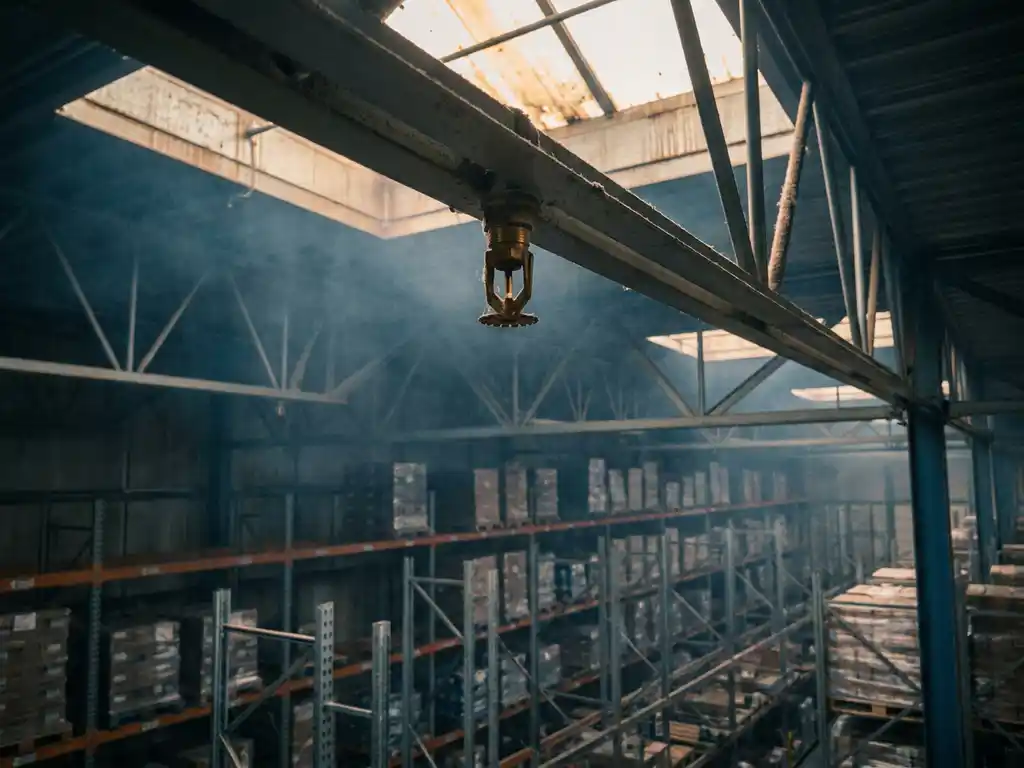
You reduce fire risk in a warehouse by combining proper storage practices, regular housekeeping, reliable fire detection, and targeted suppression systems. Warehouses face elevated fire risk because they concentrate large volumes of combustible materials, often house electrical infrastructure, and can have limited visibility across wide floor areas. The sections below address the most common hazard sources, layout considerations, detection options, suppression methods, and maintenance routines that together form a complete warehouse fire safety strategy.
What are the most common fire hazards in a warehouse?
The most common fire hazards in a warehouse are combustible storage materials, faulty electrical equipment, improper handling of flammable substances, and poor housekeeping. These hazards are present in virtually every warehouse environment and are responsible for the majority of warehouse fire incidents reported each year.
Cardboard packaging, wooden pallets, and plastic wrapping are the most widespread combustible materials found in warehouses. They ignite quickly and burn intensely, which is why their storage density and proximity to ignition sources matter enormously. Flammable liquids and aerosols stored without adequate separation from heat sources represent a more acute hazard, as they can accelerate fire spread rapidly.
Electrical faults are a leading ignition source across all types of warehouses. Overloaded circuits, damaged wiring, and poorly maintained electrical cabinets all create conditions where heat buildup can trigger a fire without any visible warning. Battery charging stations, particularly those used for forklifts and automated guided vehicles, add another layer of electrical fire risk that is increasingly common in modern warehouse operations.
Human behavior also contributes significantly. Smoking in prohibited areas, improper disposal of waste, and blocked emergency exits or fire suppression access points all increase the likelihood and severity of a fire event. Consistent staff training and clearly enforced safety procedures remain foundational to reducing these risks.
How does warehouse layout affect fire risk?
Warehouse layout directly affects fire risk by influencing how quickly a fire can spread, how effectively suppression systems can respond, and how safely people can evacuate. A poorly planned layout can turn a contained ignition into a facility-wide incident within minutes.
High-density racking systems create vertical channels that act as chimneys, drawing heat and flames upward rapidly. The tighter the racking configuration and the higher the shelving, the faster a fire can climb. Maintaining clear horizontal separation between rack rows and vertical clearance from the ceiling gives both heat and sprinkler discharge room to operate effectively.
Aisle width is another critical factor. Narrow aisles may maximize storage capacity, but they restrict access for fire response teams and can slow evacuation. Fire safety regulations in most jurisdictions specify minimum aisle widths for this reason, and those standards should be treated as a floor rather than a target.
Zoning combustible materials away from electrical rooms, charging bays, and heating equipment reduces the chance that an ignition source will encounter fuel immediately. Where hazardous or highly flammable goods are stored, physical separation through fire-rated walls or dedicated compartments provides an additional barrier that limits the spread of fire to the rest of the facility.
What fire detection methods work best in warehouses?
The fire detection methods that work best in warehouses are smoke detectors, heat detectors, and aspirating smoke detection systems, chosen based on ceiling height, airflow patterns, and the specific hazards present. No single detection technology is universally optimal for every warehouse environment.
Standard point-type smoke detectors are cost-effective and widely used, but they lose sensitivity in high-bay warehouses where smoke dilutes before reaching ceiling-mounted sensors. In these environments, beam detectors or aspirating smoke detection systems perform significantly better. Aspirating systems actively draw air samples from the protected area and analyze them for smoke particles, enabling very early detection even in large volumes with high air movement.
Heat detectors are better suited to areas where dust, steam, or exhaust fumes would trigger false alarms from smoke-based sensors. They respond to a defined temperature threshold or a rapid rate of temperature rise, making them appropriate for loading bays, vehicle maintenance areas, and kitchens within warehouse facilities.
For electrical enclosures such as switchgear cabinets, control panels, and server infrastructure located within a warehouse, aspirating detection combined with direct suppression at the object level provides the fastest and most targeted response. This approach catches a fire at its source rather than waiting for smoke to reach a ceiling sensor several meters above.
What fire suppression systems are used in warehouses?
The fire suppression systems most commonly used in warehouses are wet pipe sprinkler systems, dry pipe sprinkler systems, gaseous suppression systems, and object-level suppression units. The right choice depends on the type of goods stored, the presence of sensitive equipment, and the building’s environmental conditions.
Wet pipe sprinkler systems are the standard for most general warehouses. They are reliable, cost-effective, and respond automatically to heat. However, they discharge large volumes of water, which can cause significant secondary damage to electronics, machinery, and moisture-sensitive inventory. In cold storage warehouses where pipes might freeze, dry pipe systems that hold pressurized air instead of water until activation are the preferred alternative.
Gaseous suppression systems are used where water damage is unacceptable, particularly around electrical infrastructure, server rooms, and high-value equipment areas within a warehouse. These systems discharge an inert or chemical agent that reduces oxygen concentration or interrupts combustion without leaving residue. However, traditional chemical-based gaseous systems increasingly face regulatory scrutiny due to their environmental impact, particularly those containing PFAS compounds.
For electrical cabinets, battery storage units, and other enclosed equipment inside a warehouse, object-level suppression provides the most targeted protection. These units are installed directly inside or adjacent to the enclosure and suppress fire at the source before it can spread to the surrounding space, limiting both fire damage and operational downtime.
How do you protect electrical equipment and battery storage from fire?
You protect electrical equipment and battery storage from fire by combining early smoke detection at the enclosure level with a suppression method that does not damage sensitive components. Water-based systems are not suitable for this application because they cause electrical short circuits and corrosion on contact.
Electrical cabinets, switchgear panels, and battery energy storage systems are among the highest-risk assets in a warehouse environment. Thermal runaway in lithium-ion batteries, for example, can escalate extremely quickly, generating intense heat and toxic gases before any visible flame appears. Early detection inside the enclosure is therefore essential, not just at ceiling level.
Inert gas suppression is the most appropriate technology for these enclosures. Systems that use nitrogen as the suppression agent work by reducing the oxygen concentration inside the cabinet to a level that cannot sustain combustion, without introducing moisture, chemicals, or pressure damage. Nitrogen leaves no residue, meaning sensitive electronics remain undamaged after activation and can often be returned to service quickly.
Non-pressurized nitrogen storage is a particularly safe approach for enclosed environments because it eliminates the risk associated with high-pressure cylinders. ExxFire’s systems, for instance, generate nitrogen from a solid chemical block at ambient temperature, producing gas at a controlled pressure range without the hazards of storing compressed gas cylinders inside a cabinet or rack. These units also integrate with existing fire panels via built-in relays, enabling status reporting without requiring a separate monitoring infrastructure.
What maintenance routines help prevent warehouse fires?
The maintenance routines that most effectively prevent warehouse fires are regular electrical inspections, housekeeping schedules, fire system testing, and equipment-specific checks. Consistent preventive maintenance reduces the probability of ignition and ensures that detection and suppression systems are ready to respond when needed.
Electrical systems should be inspected at intervals appropriate to their load and age. Thermal imaging surveys can identify hotspots in wiring, switchgear, and distribution boards before they become ignition sources. Any damaged cables, loose connections, or overloaded circuits should be addressed immediately rather than deferred.
Housekeeping is one of the simplest and most overlooked fire prevention measures. Accumulated dust on electrical equipment, waste material near heat sources, and cluttered aisles all increase fire risk. A structured cleaning schedule that includes electrical rooms, charging stations, and racking areas keeps combustible buildup under control.
Fire detection and suppression systems require periodic verification to confirm they remain operational. Sprinkler heads should be checked for obstruction and corrosion. Smoke and heat detectors need functional testing. For object-level suppression units installed in electrical enclosures, one of the key advantages of nitrogen-based systems is their low maintenance demand. Once installed and commissioned, they require no routine checkups or refilling cycles, which reduces both the administrative burden and the total cost of ownership over the system’s lifespan.
Staff training rounds out any maintenance program. Fire wardens should be designated, evacuation routes should be practiced, and all personnel should know how to respond to an alarm. A well-maintained facility with an untrained workforce remains vulnerable; the two elements work together.
How ExxFire helps reduce fire risk in warehouses
ExxFire provides targeted fire protection for the electrical infrastructure and high-value equipment that warehouses depend on. Where general suppression systems protect the building, ExxFire protects the assets inside it. Key capabilities include:
- Aspirating smoke detection: Actively samples air inside enclosures to detect fire at the earliest possible stage, well before smoke reaches ceiling sensors
- Non-pressurized nitrogen suppression: Extinguishes fire inside cabinets and enclosures without water, chemicals, or residue, protecting sensitive electronics from secondary damage
- PFAS-free technology: A clean, environmentally responsible alternative to legacy chemical suppression agents, supporting compliance with tightening environmental regulations
- Easy installation and zero maintenance: Systems are pre-engineered for self-installation and require no ongoing check-ups after commissioning, keeping total cost of ownership low
- Fire panel integration: Built-in relays report system status to existing fire panels, ensuring seamless compatibility with warehouse safety infrastructure
- Scalable protection: Units can be interconnected to cover enclosures up to 4.5 m³, with multiple units combinable for larger volumes
ExxFire systems are tested and certified by CNPP in France and validated by DMT, part of TÜV Nord, giving facility managers and safety officers independent assurance of performance. To find out how ExxFire can protect the critical equipment in your warehouse, contact the ExxFire team directly.
Related Articles
- What are the biggest fire risks in an office environment?
- Should you use gas or aerosol suppression in an E-cabinet?
- Why is early fire detection critical in electrical cabinet protection?
- What is a fire risk assessment and who needs one?
- How does inert gas suppress fire without damaging the environment?