
How does fire prevention reduce insurance costs?
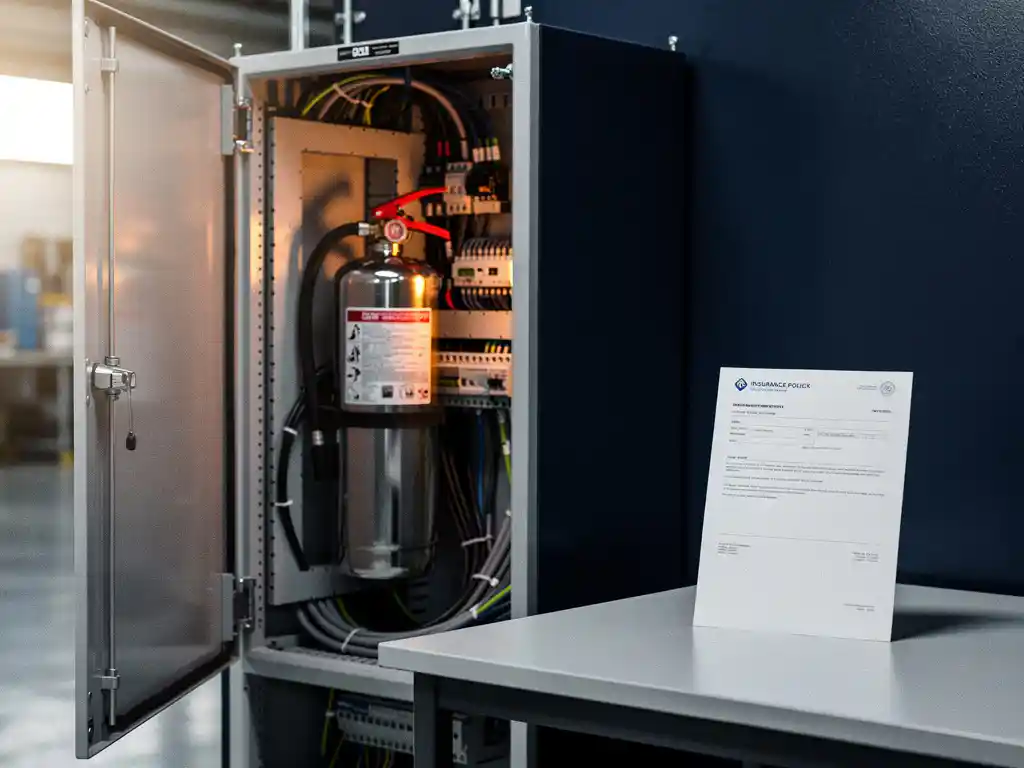
Fire prevention measures can meaningfully lower insurance premiums, often by 5% to 30% depending on the type of system installed, the risk profile of the facility, and the insurer’s underwriting criteria. Insurers price risk based on the likelihood and potential severity of a loss, so demonstrating that fire risk has been actively reduced gives underwriters a concrete reason to lower premiums. The sections below address the most common questions facility managers, safety officers, and procurement teams ask when evaluating the insurance benefits of fire prevention investments.
How much can fire prevention measures lower insurance premiums?
Fire prevention measures can reduce insurance premiums by a meaningful margin, with discounts typically ranging from 5% to 30% depending on the insurer, the facility type, and the specific systems in place. The more directly a measure reduces the probability of a large-scale fire loss, the greater the premium reduction an underwriter is likely to offer.
Insurers calculate premiums based on expected loss exposure. When a facility installs certified fire detection and suppression systems, the probability of a total loss drops significantly. This reduced exposure translates into a lower risk classification, which directly affects the premium calculation. Facilities protecting high-value or mission-critical equipment, such as server rooms, electrical switchgear, or battery energy storage systems, tend to see the most substantial reductions because the potential loss severity in those environments is high.
Beyond the initial premium discount, fire prevention investments also reduce the likelihood of filing a claim at all. Fewer claims over time improve a company’s loss history, which is another factor insurers weigh when renewing policies or calculating long-term premiums.
What fire prevention systems do insurers recognize for premium discounts?
Insurers generally recognize systems that are independently tested, certified, and designed to detect and suppress fire at the earliest possible stage. Recognized systems typically include automatic sprinklers, gaseous suppression systems, and early warning smoke detection, particularly when these are certified by recognized testing bodies such as FM Global, VdS, CNPP, or TÜV Nord.
For facilities protecting sensitive electronics, gaseous suppression systems are especially relevant because they extinguish fires without water damage, which insurers recognize as reducing both the primary fire loss and the secondary damage caused by suppression itself. Early warning smoke detection, such as aspirating smoke detection, is also valued because it identifies a developing fire before it reaches a stage where suppression is needed at all.
Insurers tend to place greater weight on systems that are:
- Independently tested and certified by a recognized third-party body
- Installed in accordance with applicable standards and manufacturer specifications
- Maintained and inspected regularly, with records available for review
- Integrated with a monitored fire alarm panel or central reporting system
Systems that meet these criteria give underwriters the confidence to apply meaningful fire safety insurance discounts, because the risk reduction can be verified rather than assumed.
Why does fire risk reduction directly affect insurance underwriting?
Fire risk reduction directly affects insurance underwriting because underwriters price policies based on the probability and severity of a loss. When a facility demonstrates that it has taken active, verifiable steps to reduce fire risk, the underwriter’s expected loss calculation changes, and the premium reflects that lower exposure.
Underwriting is fundamentally a process of assessing what could go wrong and how much it would cost. A facility with no fire suppression in a critical equipment room represents a scenario where a single ignition event could result in a total loss of hardware, extended downtime, and significant liability. A facility with certified early detection and automatic suppression changes that scenario substantially, reducing both the likelihood of ignition escalating and the severity of damage if it does.
Insurance underwriters also consider secondary costs when assessing fire risk, including business interruption, regulatory penalties, and reputational damage. Fire prevention systems that limit downtime and protect operational continuity reduce these secondary exposures as well, which contributes to a more favorable risk profile overall.
What’s the difference between fire detection and fire suppression for insurance purposes?
For insurance purposes, fire detection and fire suppression serve different functions and are assessed differently by underwriters. Fire detection systems identify a fire early and trigger an alert, while fire suppression systems actively extinguish or contain the fire. Insurers generally value suppression more heavily because it directly limits property damage, though detection is also recognized as reducing response time and therefore loss severity.
Detection alone, even at an early stage, depends on a human or automated response to act before significant damage occurs. In unoccupied facilities, remote locations, or environments where response time is measured in minutes rather than seconds, detection without suppression may not be sufficient to prevent a major loss. Underwriters account for this gap when assessing risk.
Suppression systems, by contrast, respond automatically and immediately, regardless of occupancy or time of day. This automatic response is what gives suppression systems a stronger influence on fire detection insurance premium reductions. Combined systems that integrate both early detection and automatic suppression are typically viewed most favorably, because they address both the warning and the response within a single, coordinated solution.
Does using PFAS-free fire suppression affect insurance or compliance costs?
Using PFAS-free fire suppression systems can reduce long-term compliance costs and limit future liability exposure, both of which are increasingly relevant to insurance underwriting. PFAS substances face growing regulatory restrictions across the European Union and other jurisdictions, and facilities using PFAS-containing systems may face replacement mandates, remediation costs, or compliance penalties that affect their overall risk profile.
Insurers are beginning to factor environmental liability into their assessments. A facility using a suppression agent that is subject to regulatory phase-out carries a different risk profile from one using an inert, environmentally neutral alternative. PFAS-free systems based on inert gases such as nitrogen eliminate this regulatory exposure entirely, removing a category of potential future liability from the underwriting equation.
From a compliance cost perspective, transitioning away from PFAS-containing systems before regulatory deadlines avoids the disruption and cost of forced replacement. Organizations that make this transition proactively are better positioned in both their compliance standing and their insurance negotiations.
What documentation do insurers require to validate fire prevention investments?
Insurers typically require documentation that proves a fire prevention system is certified, correctly installed, and actively maintained. Without this documentation, an insurer cannot verify that the risk reduction is real, and the premium discount may not be applied even if the system itself meets the required standard.
The documentation insurers most commonly request includes:
- Third-party test and certification certificates issued by recognized bodies such as CNPP, TÜV Nord, FM Global, or equivalent national authorities
- Installation records confirming the system was installed according to manufacturer specifications and applicable codes
- Commissioning reports showing the system was tested and functioning correctly at the point of installation
- Maintenance logs demonstrating that the system has been regularly inspected and serviced
- Integration documentation showing how the suppression or detection system connects to any central fire alarm panel or monitoring infrastructure
In addition to these core documents, some insurers request a site-specific risk assessment or a fire protection plan that maps the systems installed to the specific hazards present in the facility. Keeping this documentation organized and up to date is not only important for insurance purposes but also for demonstrating regulatory compliance during audits or inspections.
How ExxFire helps reduce fire risk and insurance exposure
ExxFire’s integrated fire detection and suppression systems are purpose-built for the environments where fire risk has the greatest financial and operational consequences: server rooms, electrical cabinets, switchgear enclosures, and battery energy storage systems. The systems combine aspirating smoke detection with automatic nitrogen gas suppression in a single, pre-engineered unit that responds at the earliest stage of a developing fire, before damage to hardware occurs.
Key features that support insurance and compliance objectives include:
- Third-party certification by CNPP France and DMT (part of TÜV Nord), providing the documentation insurers require to validate the risk reduction
- PFAS-free nitrogen suppression using a non-pressurized Cool Gas Generator, eliminating environmental liability and future regulatory compliance costs
- No chemical residue, meaning sensitive electronics are protected from both fire damage and suppression-related secondary damage, reducing total claim exposure
- Built-in relay reporting to existing fire panels, ensuring seamless integration with monitored alarm infrastructure that insurers recognize as best practice
- Easy self-installation and low maintenance, keeping the Total Cost of Ownership low while maintaining the documentation trail insurers expect
For organizations looking to reduce their fire safety insurance costs while meeting sustainability and compliance requirements, ExxFire’s systems offer a verified, documented solution. Contact ExxFire to discuss how its technology can support your fire risk reduction and insurance objectives.