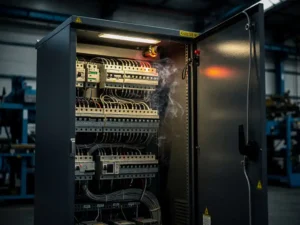
How do fire safety standards impact the design of electrical enclosures?
IEC, NFPA, and ATEX standards dictate enclosure materials, suppression, and detection — non-compliance risks are severe.


IEC, NFPA, and ATEX standards dictate enclosure materials, suppression, and detection — non-compliance risks are severe.
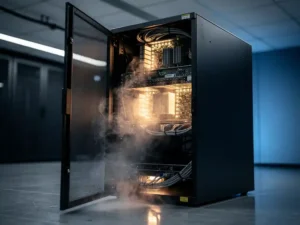
Cabinet-level fire suppression stops fires at the source in seconds—before room-level systems even detect them.
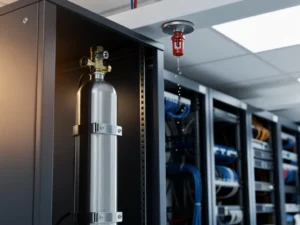
Not all fire protection is equal — discover which system truly safeguards mission-critical industrial equipment.
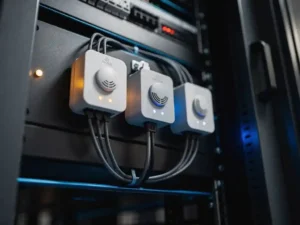
Multi-sensor fire detection confirms alarms across multiple signals — reducing false alerts while catching real fires faster.

Modular vs. fixed fire suppression: discover which system best protects your critical equipment, reduces installation complexity, and meets compliance requirements.
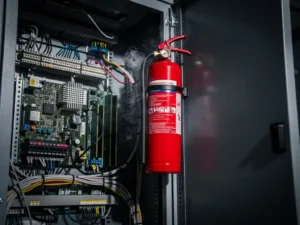
PFAS bans, ATEX rules, and tightening standards are reshaping fire suppression compliance in 2026 — here's how to choose correctly.

Faulty wiring, unattended cooking, and ignored alarms silently raise your home's fire risk — here's how to spot and fix them.

Grease buildup, unattended flames, and faulty equipment cause most restaurant fires — here's how to stop them.

Defensible space creates fire-resistant buffer zones around structures — here's how zones, terrain, and maintenance work together.

Fire doors save lives by sealing off flames and smoke—but hidden failures can make them useless. Here's what you must know.