
How do you maintain compliance with fire safety standards over time?
Fire safety compliance is an ongoing discipline — discover audits, standards, and change management strategies that keep industrial facilities protected.


Fire safety compliance is an ongoing discipline — discover audits, standards, and change management strategies that keep industrial facilities protected.
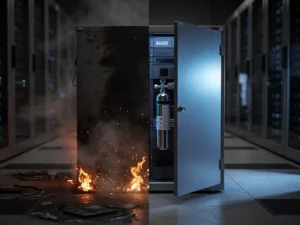
Active and passive fire suppression serve different roles — understanding both is critical for protecting industrial equipment.
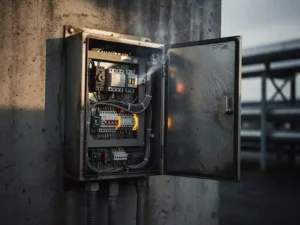
Arc flash, moisture, and dust make outdoor electrical enclosures high-risk — here's what fire protection compliance actually requires.
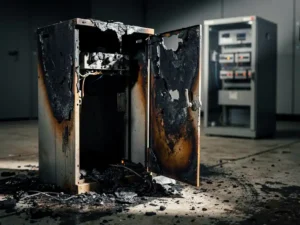
Fire safety non-compliance costs far more than a fine — discover the legal, financial, and operational consequences businesses face.
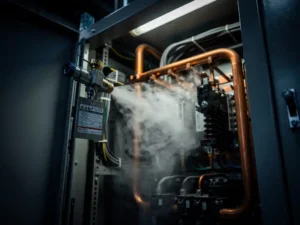
Regulations, insurers, and liability law demand certified fire suppression — here's exactly what safety managers must verify.

Electrical cabinet fires grow undetected fast — discover the standards, risks, and suppression strategies that keep you compliant.

Off-gas detection identifies hazardous gases minutes before ignition, giving battery cabinets a critical head start against thermal runaway.
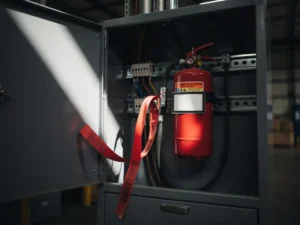
Uncertified fire suppression systems expose facilities to legal penalties, voided insurance, and real performance failures — here's what compliance managers must know.
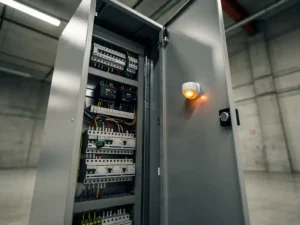
Choosing the right fire detection system for regulated environments means navigating ATEX, EN 54, and NFPA 72 — here's how.
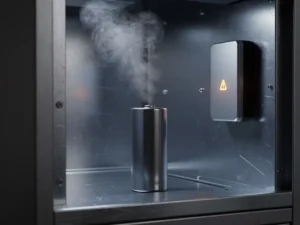
Smoke detectors miss the earliest battery warning signs — off-gas detection doesn't. Here's why it matters.