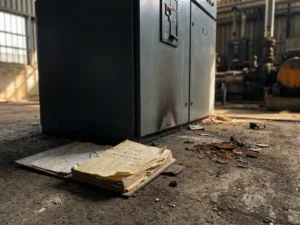
How do you know if your building’s fire risk assessment is out of date?
Structural changes, new equipment, or 12+ months without review could silently invalidate your fire risk assessment — here's what to check.


Structural changes, new equipment, or 12+ months without review could silently invalidate your fire risk assessment — here's what to check.
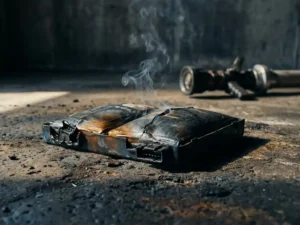
Thermal runaway can turn a single faulty lithium-ion cell into a catastrophic fire — here's what every facility manager must know.
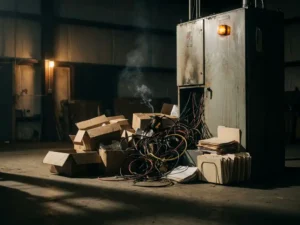
Clutter silently raises fire risk — discover which materials are most dangerous and how to protect your premises.

Cooking is the leading cause of house fires — here's what else puts your home at risk.
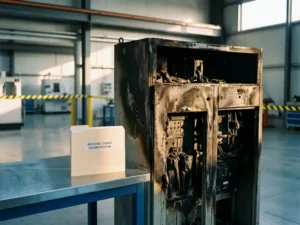
Higher fire risk means higher premiums — discover what insurers assess and how to reduce your costs.
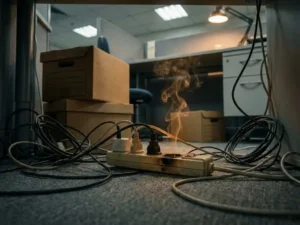
Electrical faults and hidden heat buildup make office fires devastating — here's how to detect and stop them early.

Improper waste storage creates serious fire risks — discover what causes them and how to prevent costly incidents.
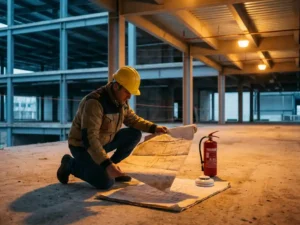
Master multi-story building fire risk assessment with a structured 5-step guide — covering every floor's unique hazards.

Hot and dry weather silently raises fire risk for critical equipment — here's what businesses must know.
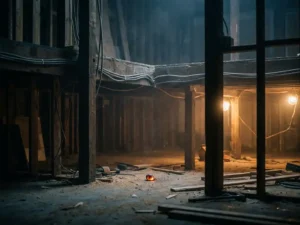
Construction sites face extreme fire risks — discover the causes, high-risk zones, and protective measures that keep renovations safe.