

What are the fire risks of leaving appliances on standby?
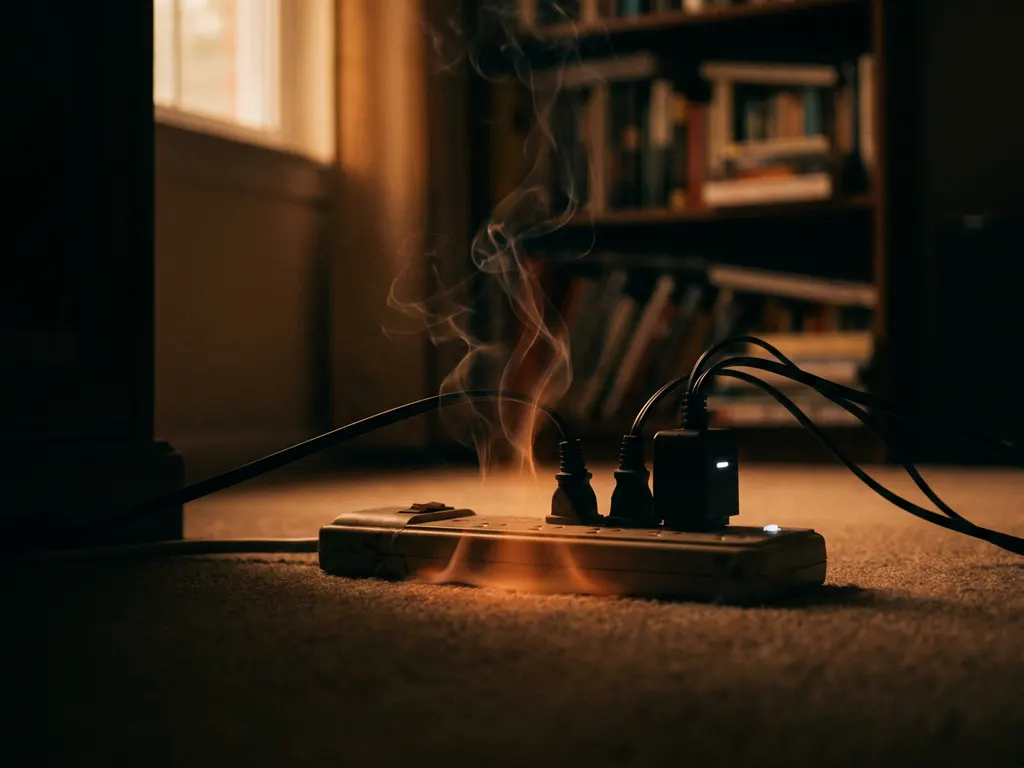
Yes, leaving appliances on standby does carry a genuine fire risk. Standby mode keeps electrical components energized and generating low-level heat, and over time this can lead to overheating, component degradation, or ignition — particularly in older, faulty, or poorly ventilated devices. While the risk from any single appliance may be small, the cumulative effect of multiple standby devices running continuously in homes and commercial premises is significant enough to warrant serious attention.
This article works through the most common questions about standby fire hazards, from which devices are most dangerous to how businesses can take practical steps to reduce their exposure.
Which appliances pose the highest fire risk on standby?
The appliances that pose the highest fire risk on standby are those with internal power supplies, heating elements, or lithium-based batteries that remain active even when the device appears to be switched off. Televisions, microwave ovens, washing machines, tumble dryers, and laptop chargers are among the most frequently cited culprits. Devices with faulty wiring or aging components significantly increase that risk.
Some specific categories deserve close attention:
- Televisions and entertainment systems: Modern televisions draw continuous power to maintain remote-control responsiveness and software updates. Older CRT and plasma models are particularly prone to internal component stress when left on standby for extended periods.
- Washing machines and tumble dryers: These appliances retain residual heat and moisture in their wiring and control boards. Lint accumulation in dryers combined with standby power creates a well-documented ignition risk.
- Laptop chargers and phone chargers: Chargers left plugged in without a connected device continue drawing power and can overheat, especially if they are low-quality or counterfeit products.
- Lithium-ion battery devices: Devices with lithium batteries — including e-bikes, power tools, and portable electronics — can undergo thermal runaway if left charging unattended or stored in poor conditions, even in a nominally off state.
The common thread across all of these is continuous electrical load combined with inadequate heat dissipation. When a device cannot shed heat effectively, temperatures rise inside the casing until a flammable material reaches its ignition threshold.
How does standby mode cause electrical fires?
Standby mode causes electrical fires by maintaining a low but continuous electrical current through components that generate heat as a byproduct. When this heat cannot dissipate safely — due to dust accumulation, poor ventilation, component aging, or manufacturing defects — it builds up over time and can eventually ignite surrounding materials such as plastic casings, insulation, or nearby furnishings.
Several mechanisms explain how this progression unfolds:
- Resistive heating: Electrical resistance in wiring and circuit components converts some electrical energy into heat. In standby mode, this process runs continuously, often for hours or days at a stretch.
- Capacitor degradation: Power supply units inside appliances use capacitors that degrade over years of use. A failing capacitor can short-circuit, releasing stored energy as heat or sparks.
- Dust and debris: Dust acts as an insulating layer that traps heat and, in sufficient concentration, can itself become a fuel source. Ventilation grilles clogged with dust prevent appliances from cooling properly.
- Loose or corroded connections: Electrical connections that have loosened or corroded increase resistance at the joint, creating localized hotspots that can glow red-hot before any visible flame appears.
What makes standby fires particularly dangerous is that they often develop slowly and silently, frequently starting inside the appliance casing where smoke and heat are not immediately visible. By the time a fire becomes apparent, it may already have spread to surrounding materials.
What are the warning signs that a standby appliance is a fire hazard?
Warning signs that a standby appliance may be a fire hazard include unusual heat coming from the device or its plug, a burning or acrid smell, discoloration of the plug or socket, flickering indicator lights, and audible buzzing or crackling from the appliance. Any of these signals should be treated as an immediate reason to disconnect the device.
More subtle indicators are also worth monitoring:
- A plug or socket that feels warm to the touch even after the appliance has been on standby for only a short time
- Scorch marks or blackening around the socket or plug pins
- Appliances that trip circuit breakers intermittently without obvious cause
- Devices that take noticeably longer to respond to remote controls or power-on commands, suggesting internal component issues
- A persistent smell of burning plastic, even faint, near an electrical appliance or socket
It is worth noting that the absence of warning signs does not guarantee safety. Many electrical fires begin with no visible or olfactory precursor. This is why regular visual inspection of older appliances and their power leads is a sound preventive habit, regardless of whether anything seems obviously wrong.
Should you unplug appliances when not in use?
Yes, unplugging appliances when they are not in use is one of the most effective ways to eliminate standby fire risk entirely. When a device is fully disconnected from the mains, no current flows, no heat is generated, and no fire can start through an electrical fault in that device. For appliances used infrequently, this is a simple and cost-free precaution.
That said, a practical approach means prioritizing which appliances to unplug based on risk level and frequency of use:
- Always unplug: Chargers without connected devices, small kitchen appliances such as toasters and kettles, and any device showing signs of wear or heat
- Unplug overnight or when away: Televisions, desktop computers, gaming consoles, and washing machines
- Use smart plugs or switched sockets: For appliances that are inconvenient to physically unplug, a switched socket or smart plug allows the power to be cut without reaching behind furniture
There is also an energy-saving benefit to unplugging: standby power consumption across multiple devices adds up over the course of a year, contributing to both electricity bills and unnecessary carbon emissions. Reducing standby load is therefore both a fire safety and a sustainability measure.
How can businesses reduce standby fire risk in commercial environments?
Businesses can reduce standby fire risk in commercial environments by implementing scheduled power-down policies, conducting regular electrical inspections, proactively replacing aging equipment, and installing fire detection and suppression systems within the enclosures that house the highest-risk electrical equipment. Commercial settings typically carry a higher cumulative risk than domestic ones because of the sheer number of devices running continuously.
Practical steps for commercial fire risk management include:
- Electrical audits: Commission periodic inspections of fixed electrical installations and portable appliances (PAT testing) to identify degraded components before they become hazards
- Power management policies: Establish clear end-of-day shutdown procedures for non-essential equipment, including monitors, printers, and secondary servers
- Equipment lifecycle management: Replace electrical equipment that has exceeded its recommended service life, even if it appears to be functioning normally
- Ventilation maintenance: Keep server rooms, electrical cabinets, and switchgear enclosures free from dust and ensure cooling systems are serviced regularly
- Object-level fire protection: For mission-critical enclosures such as server racks, switchgear cabinets, and battery energy storage systems, install fire detection and suppression directly inside the enclosure rather than relying solely on room-level systems
The last point is particularly important in environments where electrical faults within a closed cabinet can develop into a fire before any room-level detector responds. Early smoke detection within the enclosure itself dramatically reduces the window between ignition and suppression.
How ExxFire helps protect against standby and electrical fire risks
ExxFire’s integrated fire detection and suppression systems are specifically designed to address the electrical fire risks that standby appliances and mission-critical enclosures present in commercial and industrial settings. Key features include:
- Aspirating smoke detection: Detects smoke at the earliest possible stage, inside the enclosure, before a fire has time to develop or spread
- Non-pressurized nitrogen suppression: Extinguishes fire using clean inert nitrogen gas that leaves no chemical residue, protecting sensitive electronics and high-value components from damage
- PFAS-free technology: A sustainable alternative to legacy gas suppression systems, with no harmful chemical agents
- Easy installation and zero maintenance: Systems are pre-engineered for self-installation inside server racks, electrical cabinets, and switchgear enclosures up to 4.5 m³, with built-in relays for fire panel integration
- Tested and certified: Validated by CNPP France and DMT (TÜV Nord), providing confidence in performance under real fire conditions
For facility managers, IT infrastructure directors, and health and safety officers looking to close the gap between standby electrical risk and effective object-level protection, ExxFire offers a proven, low-TCO solution. Explore ExxFire’s fire suppression systems to find the right protection for your critical enclosures.
Related Articles
- What tools are used in fire management today?
- How does drought influence fire management decisions?
- What is the EU REACH regulation and how does it affect fire protection?
- What is the difference between nitrogen and argon fire suppression?
- What fire suppression options meet EU environmental standards in 2026?