

What is the difference between a fire suppression system and a sprinkler system?
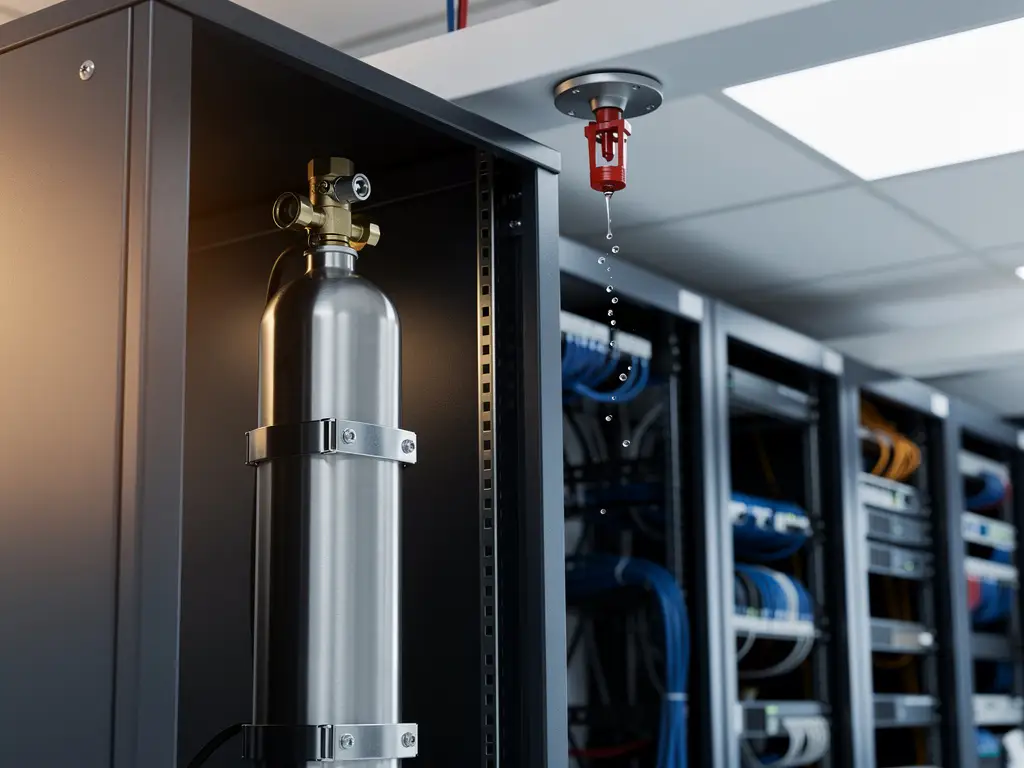
A fire suppression system and a sprinkler system are not the same thing. A sprinkler system is one specific type of fire protection that uses water, while a fire suppression system is a broader category that includes any engineered system designed to control or extinguish fire using water, gas, foam, or other agents. The key practical difference is the extinguishing agent and the environments each system is designed to protect. The sections below unpack how each system works, where they are used, and how to choose the right approach for industrial and mission-critical environments.
How does a fire suppression system actually work?
A fire suppression system detects a fire or pre-fire condition and automatically releases an extinguishing agent to control or eliminate the fire, typically before it can spread. Most systems combine a detection component with a suppression mechanism, triggering discharge when sensors identify smoke, heat, or flame within a defined protected space.
The detection stage varies by system design. Some systems rely on heat detectors or ionization sensors, while more advanced configurations use aspirating smoke detection, which continuously draws air samples through a pipe network to identify smoke particles at extremely early stages, often before visible flames develop. Once a threshold is crossed, the system activates and releases the suppression agent directly into the protected zone.
The suppression stage depends on the agent used. Gas-based systems flood an enclosure with an inert or chemically active gas that displaces oxygen or interrupts the combustion chain. Foam systems smother flammable liquid fires. Water mist systems use fine droplets to cool and suppress. What distinguishes suppression systems from simple alarm systems is the automatic, integrated response: detection and discharge happen as a single coordinated action, minimizing the window between ignition and intervention.
What is the main difference between suppression and sprinkler systems?
The main difference between a fire suppression system and a sprinkler system is the extinguishing agent and the scope of protection. Sprinklers use water and are designed to protect a broad area or an entire building, while fire suppression systems use a range of agents and are often engineered to protect a specific object, enclosure, or zone with precision.
Sprinkler systems activate thermally: a heat-sensitive element in each sprinkler head melts or shatters at a set temperature, releasing water from that individual head. This means only the heads nearest to the fire activate, which limits water damage but also means the system responds to heat rather than smoke, often after a fire is already established.
Fire suppression systems, by contrast, can be triggered by smoke, heat, gas, or a combination of signals, and they can be calibrated for much earlier detection. They also discharge into a contained space rather than across an open ceiling grid, making them far more effective at protecting individual assets. For environments where water would cause as much damage as the fire itself, such as electrical switchgear, server rooms, or battery storage systems, suppression systems are the appropriate choice rather than sprinklers.
Where are fire suppression systems used instead of sprinklers?
Fire suppression systems are used instead of sprinklers wherever water would damage the assets being protected, where a fire could spread rapidly within a sealed enclosure, or where precision object-level protection is required rather than broad area coverage.
Common applications where suppression systems replace or complement sprinklers include:
- Electrical switchgear and control cabinets: Water and live electrical equipment are incompatible. A discharge of water into an energized cabinet can cause short circuits, arc flash, or electrocution hazards.
- Server rooms and ICT infrastructure: Even a small water discharge can destroy irreplaceable data hardware and cause extended downtime.
- Battery Energy Storage Systems (BESS): Lithium-ion battery fires involve thermal runaway, which requires early intervention with an agent that can suppress the fire at the cell level before propagation occurs.
- Industrial control rooms and SCADA systems: These environments house sensitive electronics that control critical processes; water damage could trigger cascading operational failures.
- Archives, museums, and heritage collections: Water-sensitive materials require a clean, residue-free agent.
- Oil, gas, and chemical processing equipment: Flammable liquid and gas fires require foam or inert gas agents rather than water.
In each of these cases, the goal is to protect a specific, high-value asset from fire damage while avoiding secondary damage caused by the suppression agent itself.
Can a fire suppression system and a sprinkler system work together?
Yes, fire suppression systems and sprinkler systems can and often do work together within the same facility. They serve different layers of protection: sprinklers protect the building structure and general floor space, while suppression systems protect individual high-value assets or enclosed equipment within that same building.
In a typical industrial or commercial facility, a sprinkler system covers the general floor area, corridors, and structural zones. Within that same facility, individual electrical cabinets, server racks, or battery enclosures may each have their own dedicated suppression system that activates independently when a threat is detected inside that enclosure. This layered approach means a fire that starts inside a cabinet is addressed at the source before it grows large enough to trigger the building-wide sprinkler system.
Integration between the two systems is also possible at the control level. Many suppression systems include built-in relay outputs that can communicate status signals to a central fire alarm panel, allowing facility managers to monitor both systems from a single interface. This interoperability ensures that a suppression discharge inside a cabinet triggers the appropriate response from building-level fire safety infrastructure as well.
What types of agents do fire suppression systems use?
Fire suppression systems use several categories of extinguishing agents, each suited to different fire risks, environments, and asset types. The main agent types are inert gases, chemical clean agents, water mist, foam, and dry powder.
- Inert gases (nitrogen, argon, CO2): These work by reducing oxygen concentration in a sealed space below the level needed to sustain combustion. Nitrogen is particularly valued because it is non-toxic, leaves no residue, and causes no damage to electronics or sensitive materials. nitrogen fire suppression is one of the most environmentally responsible options available, as it contains no fluorinated compounds or ozone-depleting substances.
- Chemical clean agents (HFCs, FKs, halon alternatives): These interrupt the chemical chain reaction of combustion. They are fast-acting and leave no residue, but many contain PFAS compounds or other substances now subject to tightening environmental regulations in Europe and beyond.
- Water mist: Fine water droplets cool the fire and displace oxygen using far less water than conventional sprinklers. Suitable for certain enclosed environments, though still not appropriate for live electrical equipment.
- Foam: Used primarily for flammable liquid fires in industrial settings, foam smothers the fuel surface and prevents re-ignition. Not suitable for electrical or sensitive equipment environments.
- Dry powder: Effective on flammable metal fires and certain chemical fires, but leaves significant residue and is typically reserved for outdoor or industrial applications where cleanup is manageable.
The choice of agent directly affects whether the suppression system protects the asset or damages it in the process of extinguishing the fire. For electronics, clean agent fire suppression or inert gas systems are the standard specification.
Which fire protection system is right for industrial facilities?
For industrial facilities, the right fire protection approach combines building-level sprinkler or detection systems with targeted suppression systems for high-value or high-risk equipment. No single system type covers all scenarios in a complex industrial environment, and the right specification depends on the assets present, the fire risks involved, and the regulatory requirements that apply.
Industrial facilities typically contain a mix of environments: open floor areas, enclosed electrical rooms, control cabinets, battery storage, and process equipment. Each zone carries different risks and requires a different protection strategy. A general water-based sprinkler system addresses structural fire risk across the facility. Enclosed electrical and electronic assets require a clean agent or inert gas suppression system that can respond early, contain the fire within the enclosure, and leave no residue that would compound the damage.
Regulatory frameworks such as NFPA standards, FM Global guidelines, and ATEX directives for hazardous area equipment all influence which systems are permissible and how they must be specified, installed, and maintained. Compliance managers should verify that any suppression system under consideration carries independent third-party certification relevant to their jurisdiction and application.
Total cost of ownership is also a practical consideration. Systems that require pressurized gas cylinders, specialist installation, or frequent maintenance inspections carry higher long-term costs than pre-engineered, self-contained units designed for straightforward deployment and low-intervention upkeep.
How ExxFire protects industrial assets from fire
ExxFire’s integrated fire detection and suppression systems are purpose-built for the scenarios where sprinklers fall short: enclosed electrical cabinets, switchgear, ICT infrastructure, and Battery Energy Storage Systems. Each system combines aspirating smoke detection with non-pressurized nitrogen gas suppression in a single pre-engineered unit, delivering early detection and clean, residue-free suppression without damaging the equipment it protects.
Key characteristics of ExxFire’s approach include:
- PFAS-free nitrogen suppression: No fluorinated compounds, no chemical residues, and no secondary damage to electronics or sensitive components.
- Non-pressurized gas storage: Nitrogen is stored in a solid, non-pressurized state using the patented Cool Gas Generator technology, eliminating the safety and maintenance requirements associated with high-pressure cylinders.
- Easy self-installation: Systems are pre-engineered for straightforward installation without specialist certification, reducing deployment time and cost.
- Fire panel integration: Built-in relay outputs allow the system to report status to an existing fire detection system, ensuring full compatibility with existing facility infrastructure.
- Independent certification: Tested and certified by CNPP France and DMT (part of TÜV Nord), meeting the verification standards required by industrial safety and compliance managers.
If you are specifying fire protection for switchgear, battery storage, or critical electrical infrastructure, contact ExxFire to discuss which system configuration is appropriate for your application.