

Why do forests need fire management?
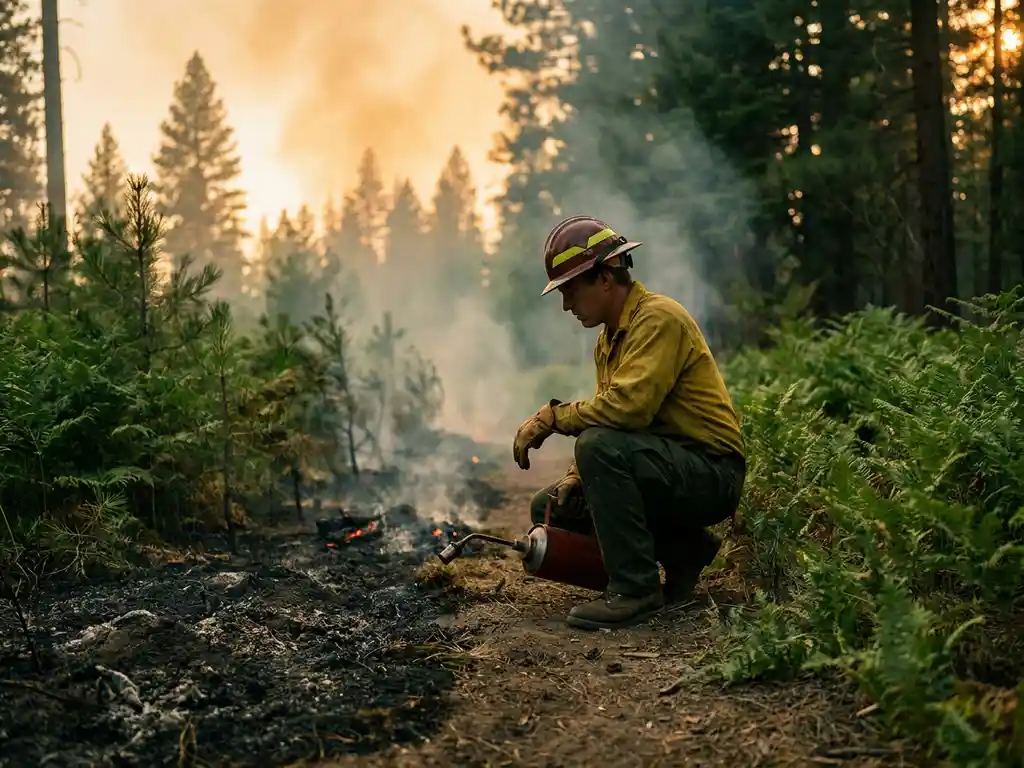
Forests need fire management because fire is a natural and necessary ecological process that, without human oversight, can allow fuel loads to build up to dangerous levels and eventually produce catastrophic wildfires. Managed fire keeps ecosystems healthy, reduces wildfire risk, and supports biodiversity. The sections below unpack the key questions around forest fire ecology, prescribed burning, and why this practice matters more than ever in 2026.
What actually happens to a forest without fire management?
Without fire management, forests accumulate dead wood, dry leaves, and dense undergrowth over time. This buildup of combustible material, known as fuel load, dramatically increases the risk of severe, fast-moving wildfires. When fire does eventually arrive in an unmanaged forest, it burns hotter and spreads faster than it would in a forest where fuel loads are regularly reduced.
Beyond the immediate fire risk, the absence of fire management leads to ecological imbalance. Many forest species depend on periodic fire to clear competing vegetation, recycle nutrients, and open up the forest canopy to allow sunlight to reach the ground. Without this natural reset, shade-tolerant species can crowd out fire-adapted plants, reducing biodiversity over time.
Dense, overgrown forests also become more vulnerable to pest infestations and disease. Bark beetles, for example, thrive in stressed, overcrowded stands of trees. When fire-adapted forests go too long without burning, the resulting conditions favor these destructive organisms, weakening trees further and adding even more dead material to an already heavy fuel load.
How does fire benefit forest ecosystems?
Fire benefits forest ecosystems by acting as a natural reset mechanism that clears accumulated debris, releases nutrients locked in dead organic matter, and creates the varied habitat structure that many plant and animal species require. In fire-adapted forests, periodic burning is not destruction but renewal.
When fire moves through a forest at low to moderate intensity, it performs several ecological functions at once:
- Nutrient cycling: Burning converts dead wood and leaf litter into ash, which returns minerals like phosphorus and potassium directly to the soil.
- Habitat creation: Fire creates open patches, standing dead trees, and areas of new growth that different species use for nesting, foraging, and shelter.
- Seed germination: Some plant species, including certain pines and many wildflowers, require heat or smoke to trigger germination. Without fire, their seeds remain dormant.
- Invasive species control: Many invasive plants are less fire-tolerant than native species. Low-intensity fire can suppress invasive growth and give native vegetation a competitive advantage.
The forest fire ecology of many biomes, from the longleaf pine savannas of the southeastern United States to the eucalyptus forests of Australia, evolved alongside fire over thousands of years. These ecosystems are not just tolerant of fire; they are shaped by it.
What is prescribed burning and how does it work?
Prescribed burning, also called controlled burning or prescribed fire, is the deliberate application of fire to a specific area of land under carefully planned conditions. Land managers use it to reduce fuel loads, restore ecological processes, and lower the risk of uncontrolled wildfire. It is one of the most widely used and evidence-supported tools in forest fire management.
A prescribed burn follows a detailed plan that specifies the target area, the desired fire behavior, and the environmental conditions required before ignition can proceed. These conditions typically include:
- Wind speed and direction within a defined safe range
- Relative humidity above a minimum threshold to prevent the fire from becoming too intense
- Soil moisture levels that allow fire to move across the surface without burning into the ground
- Temperature limits to reduce the risk of the fire spreading beyond the planned boundary
Once conditions are met, trained crews ignite the fire using drip torches, aerial ignition devices, or other tools. They monitor the burn continuously and have suppression resources on standby. The fire is allowed to move through the designated area and is extinguished or allowed to naturally expire at the planned boundary.
Prescribed burns are typically conducted during seasons when weather conditions make escape less likely, often in spring or autumn. The frequency of burns depends on the forest type, the rate at which fuel accumulates, and the land management objectives for that area.
What’s the difference between prescribed fire and wildfire?
The key difference between prescribed fire and wildfire is control and intent. Prescribed fire is deliberately ignited under planned conditions by trained personnel with clear objectives and suppression resources in place. Wildfire is unplanned, ignited by lightning, human accident, or arson, and burns without management oversight, often under conditions that make it difficult or impossible to control.
This distinction has significant practical consequences:
- Intensity: Prescribed burns are conducted when conditions keep fire behavior predictable and relatively low in intensity. Wildfires frequently ignite during hot, dry, windy conditions that produce extreme fire behavior.
- Fuel load: Prescribed burns are often used specifically to reduce fuel loads before they reach dangerous levels. Wildfires in unmanaged forests burn through decades of accumulated fuel, producing far more heat and destruction.
- Ecological impact: A well-executed prescribed burn mimics the natural fire cycle, producing ecological benefits. A high-severity wildfire can sterilize soil, eliminate entire plant communities, and take decades to recover from.
- Human and infrastructure risk: Prescribed burns are planned to avoid communities and critical infrastructure. Wildfires, by definition, are unpredictable and pose direct threats to lives, property, and ecosystems.
It is worth noting that prescribed fire and wildfire are not mutually exclusive categories in terms of ecological effect. A low-intensity wildfire in a well-managed landscape may produce similar ecological outcomes to a prescribed burn. The critical variable is whether the conditions at the time of burning allow for beneficial rather than catastrophic fire behavior.
Are there alternatives to prescribed burning for forest fire management?
Yes, there are several alternatives to prescribed burning used in forest fire management, though most land managers treat them as complementary tools rather than replacements. The most effective fire management strategies typically combine multiple approaches based on the specific forest type, land use, and available resources.
Mechanical fuel reduction
Mechanical treatments involve physically removing or reducing fuel loads using equipment or hand tools. This includes thinning dense tree stands, removing dead wood, and creating fuel breaks, which are strips of land where vegetation has been reduced to slow or stop fire spread. Mechanical methods are particularly useful near communities or in areas where smoke from prescribed burns would pose air quality problems. However, they are generally more expensive and labor-intensive than burning, and they do not deliver the same ecological benefits as fire.
Grazing and biological management
Targeted grazing, particularly by goats and cattle, can reduce fine fuels such as grasses and shrubs that carry fire across a landscape. This approach is cost-effective in certain terrain and has the added benefit of producing no smoke. Biological controls, including the deliberate planting of less flammable native species, can also reduce fire risk over time. These methods work best as part of a broader management strategy rather than as standalone solutions.
Other alternatives include community protection measures such as creating defensible space around structures, improving road access for fire crews, and investing in early detection systems. While these do not reduce fuel loads in the broader landscape, they significantly reduce the consequences of wildfire when it does occur.
How does climate change affect the need for forest fire management?
Climate change increases the urgency of forest fire management by extending fire seasons, increasing drought frequency, and creating conditions where forests are more vulnerable to ignition and rapid fire spread. As temperatures rise and precipitation patterns shift, the window of safe conditions for prescribed burning may narrow, while the risk posed by unmanaged fuel loads grows.
Warmer winters mean that forests in many regions are no longer experiencing the cold, wet periods that historically slowed fuel accumulation and killed off pests. Prolonged droughts dry out vegetation, turning living plants into additional fuel. These trends mean that forests that once experienced moderate fire risk are now facing conditions that support high-severity wildfire.
The relationship between climate change and wildfire prevention is not simply that fire becomes more frequent. It is that fire becomes more extreme. When a wildfire burns at very high intensity, it can destroy the soil seed bank, eliminate fire-adapted species, and trigger erosion that prevents natural regeneration for years. This makes proactive fire management techniques, including prescribed burning, thinning, and strategic fuel breaks, more important, not less, as climate conditions continue to change.
Land managers in 2026 are increasingly treating fire management as a climate adaptation strategy, not just a safety measure. By using controlled burns to keep fuel loads at manageable levels, they reduce the probability that any given ignition will escalate into the kind of catastrophic wildfire that leaves lasting ecological and economic damage.
How ExxFire helps protect critical assets in fire-prone environments
While forest fire management focuses on landscape-scale prevention, the infrastructure located within or near forests, including energy substations, telecommunications equipment, and battery energy storage systems, faces direct fire exposure risk. ExxFire provides a targeted solution for protecting this kind of mission-critical equipment from fire damage.
ExxFire’s integrated fire detection and suppression systems are designed specifically for enclosed, high-value equipment:
- Early smoke detection: Aspirating smoke detection identifies fire at the earliest possible stage, before flames develop.
- Clean suppression: Non-pressurized nitrogen gas extinguishes fire without leaving chemical residues, protecting sensitive electronics and components.
- PFAS-free technology: ExxFire’s patented Cool Gas Generator is a sustainable alternative to PFAS-containing gas suppression systems.
- Easy installation and low maintenance: Systems are pre-engineered for self-installation and require no ongoing check-ups once commissioned.
- Certified and tested: Systems are validated by CNPP France and DMT, part of TÜV Nord, ensuring compliance and reliability.
For organizations operating equipment in environments where wildfire risk is a real and growing concern, object-level protection is an essential layer of fire safety strategy. Contact ExxFire to find out how our systems can safeguard your critical infrastructure.