

How do you prevent electrical fires at home?
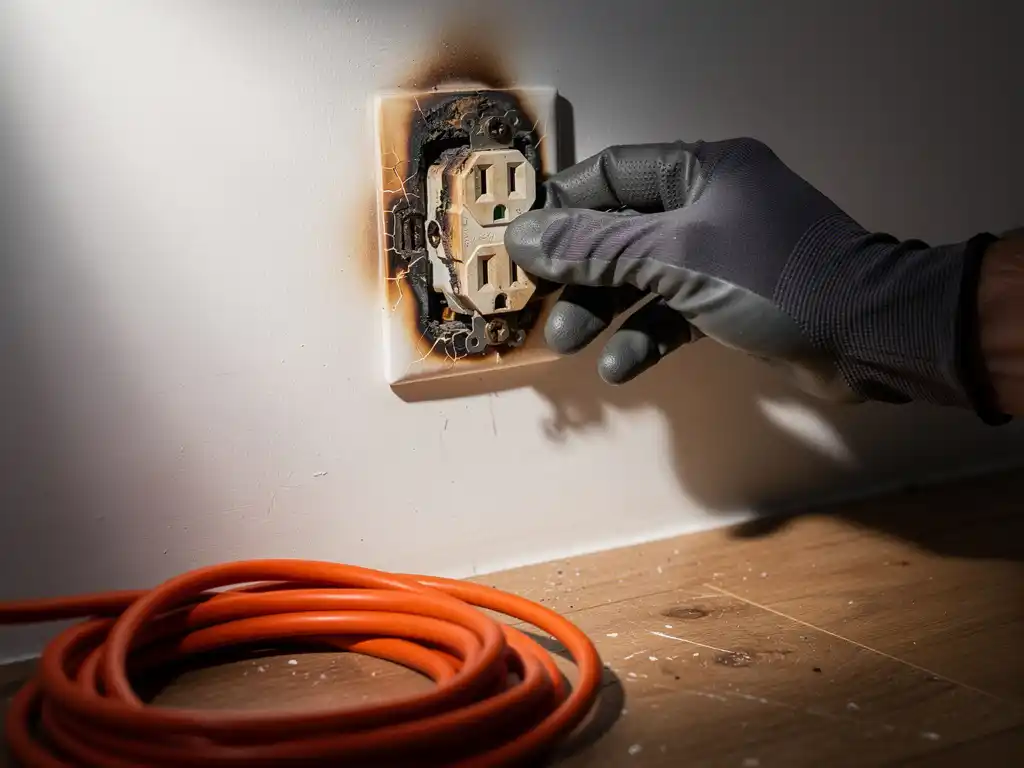
Electrical fires at home are largely preventable through a combination of safe wiring practices, responsible appliance use, and early smoke detection. The most effective approach combines routine electrical maintenance with awareness of everyday habits that quietly raise fire risk. This article walks through the most common questions homeowners have about electrical fire prevention, from identifying hazards to knowing what to do in an emergency.
What are the most common causes of electrical fires in homes?
The most common causes of electrical fires in homes are faulty wiring, overloaded circuits, damaged electrical cords, malfunctioning appliances, and improper use of extension leads. These hazards share a common thread: they generate heat in places where heat should not build up, and if that heat finds flammable material nearby, a fire can ignite quickly.
Outdated wiring is one of the leading contributors. Homes built several decades ago were not designed to handle the electrical load that modern households demand. When aging wiring is pushed beyond its capacity, insulation breaks down and connections loosen, creating conditions where arcing and overheating become likely.
Overloaded circuits are equally dangerous. Plugging too many high-draw appliances into a single circuit forces more current through wiring than it was designed to carry. Circuit breakers are meant to interrupt this flow, but a breaker that trips repeatedly and gets reset without investigation is a warning sign, not an inconvenience to ignore.
Damaged extension leads and power strips are another frequent cause. Cords that are frayed, pinched under furniture, or run beneath carpets can develop internal faults that are invisible until a fire starts. Extension leads are intended for temporary use, not as permanent wiring solutions.
How do you know if your home wiring is a fire hazard?
Your home wiring may be a fire hazard if you notice flickering lights, frequently tripping circuit breakers, burning smells near outlets or panels, discolored switch plates, or outlets that feel warm to the touch. Any of these signs points to a wiring problem that warrants professional inspection.
Age is also a strong indicator. Homes with aluminum wiring, knob-and-tube systems, or wiring that has not been updated in more than 25 years carry a higher baseline risk. These systems were not built for today’s electrical demands and may lack the grounding and insulation standards now considered essential.
A licensed electrician can carry out a full electrical inspection and identify problems that are not visible to the untrained eye. This is particularly important before purchasing an older home, after any water damage, or if you are planning a significant renovation that will increase your electrical load. Treating wiring inspection as routine maintenance rather than a reactive measure is one of the most effective steps in home electrical fire prevention.
What household habits increase the risk of electrical fires?
Several everyday household habits significantly increase the risk of electrical fires. Leaving appliances plugged in when not in use, running cords under rugs, overloading power strips, ignoring warning signs like flickering lights, and using the wrong wattage bulbs in light fixtures all contribute to elevated fire risk over time.
One of the most overlooked habits is daisy-chaining extension leads, meaning plugging one power strip into another to create more outlets. This bypasses the safety limits of the original circuit and creates a situation where far more current flows through wiring than it was designed to handle.
Using appliances with damaged cords is another common risk. It is easy to continue using a phone charger with a frayed cable or a lamp with a cracked cord, but exposed wiring in contact with flammable surfaces can ignite without warning. Replacing damaged cords promptly is a simple but effective fire safety habit.
Leaving heat-generating appliances unattended, such as space heaters, hair straighteners, or toaster ovens, is also a significant contributor to residential electrical fires. These devices draw substantial current and generate real heat, and they should never be left running in an unoccupied room.
Which appliances are most likely to cause an electrical fire?
The appliances most likely to cause an electrical fire are space heaters, washing machines, tumble dryers, dishwashers, electric blankets, and kitchen appliances such as toasters and microwaves. These devices combine high current draw with heat generation, and faults in their wiring or heating elements can escalate quickly.
Space heaters are particularly high-risk because they are often used near flammable materials like curtains, bedding, or furniture. They should always be placed on a flat, hard surface with at least one metre of clearance from any combustible material, and they should never be left on overnight or in unoccupied rooms.
Tumble dryers and washing machines cause a significant number of home fires each year, often due to lint buildup, blocked vents, or electrical faults that develop over years of use. Cleaning the lint filter after every dryer cycle and having appliances serviced regularly reduces this risk considerably.
Older appliances that have not been recalled or updated carry additional risk. Checking appliance recall notices and registering products with manufacturers ensures you receive safety alerts if a fault is identified in a model you own.
How can early detection help prevent electrical fire damage?
Early detection can dramatically reduce electrical fire damage by alerting occupants before a fire has the chance to spread. Smoke detectors placed throughout the home, particularly near electrical panels, in hallways, and in bedrooms, provide critical seconds or minutes to respond, evacuate, or suppress a fire while it is still small.
Standard ionization smoke alarms are effective at detecting fast-flaming fires, but electrical fires often begin as slow, smoldering events that produce significant smoke before a visible flame appears. Photoelectric smoke detectors are better suited to detecting this type of fire, which is why many fire safety professionals recommend either photoelectric alarms or combination units.
Testing smoke detectors monthly and replacing batteries at least once a year ensures they function when needed. Detectors themselves should be replaced every ten years, as sensor components degrade over time and older units may not respond reliably.
For environments where equipment is enclosed and a smoldering fire could go undetected for longer, aspirating smoke detection systems offer an even earlier warning by actively drawing air samples and analyzing them for smoke particles. This level of detection is especially relevant in electrical enclosures where a fire could develop entirely out of sight.
What should you do if you suspect an electrical fire in your home?
If you suspect an electrical fire in your home, do not use water to attempt to extinguish it. Water conducts electricity and can cause electrocution or spread the fire. Instead, cut the power at the main breaker if it is safe to do so, use a dry powder or CO2 fire extinguisher rated for electrical fires, and evacuate immediately if the fire is not quickly controlled.
Call the emergency services as soon as you suspect a fire, even if you believe you have contained it. Electrical fires can reignite inside walls or within wiring long after they appear to be out, and fire service professionals have the tools to confirm that the source has been fully extinguished.
If you smell burning plastic or notice smoke coming from an outlet or appliance but cannot see a flame, treat it as an active fire risk. Turn off the circuit at the breaker, unplug the appliance if it is safe to reach, and do not use that outlet or appliance again until a qualified electrician has inspected it.
Never re-enter a building that is filling with smoke. Electrical fire smoke is particularly toxic due to the burning of insulation materials and plastic components. Evacuation and calling for professional help are always the right decisions when a fire is beyond immediate control.
How ExxFire helps protect electrical enclosures from fire
While the tips above apply to general home electrical fire prevention, there are environments where standard smoke detectors and manual responses are simply not enough. Electrical enclosures, battery systems, and high-value equipment cabinets require a faster, more targeted response, and that is where ExxFire provides a purpose-built solution.
ExxFire’s integrated fire detection and suppression systems are designed specifically for closed enclosures such as electrical cabinets, server racks, and battery storage units. The systems combine aspirating smoke detection with non-pressurized nitrogen gas suppression, delivered through ExxFire’s patented Cool Gas Generator technology. Here is what makes the approach effective:
- Early smoke detection: Aspirating detection identifies smoke at the earliest possible stage, before a smoldering fire develops into a damaging blaze
- Clean suppression: Nitrogen gas leaves no chemical residue, meaning sensitive electronics and components are protected without secondary damage
- No pressurized storage: The non-pressurized design eliminates the risks associated with traditional pressurized gas cylinders
- Easy installation: Systems are pre-engineered for self-installation without special certification, keeping total cost of ownership low
- PFAS-free: The solution is a clean alternative to legacy extinguishing agents that contain harmful PFAS compounds
- Integration-ready: Built-in relays allow the system to report status to an existing fire panel, ensuring compatibility with current safety infrastructure
Whether you manage a commercial facility, an industrial site, or a critical infrastructure environment, ExxFire’s systems offer a tested and certified layer of protection that goes beyond what conventional detection alone can provide. Contact ExxFire today to find out which system is right for your application and how to reduce your electrical fire risk at the source.
Related Articles
- What are the leading causes of workplace fires?
- How does fire prevention reduce insurance costs?
- What are the differences between water mist and inert gas fire suppression?
- What is the EU REACH regulation and how does it affect fire protection?
- What are the key sustainability certifications for fire suppression systems?