

How does fire management support biodiversity?
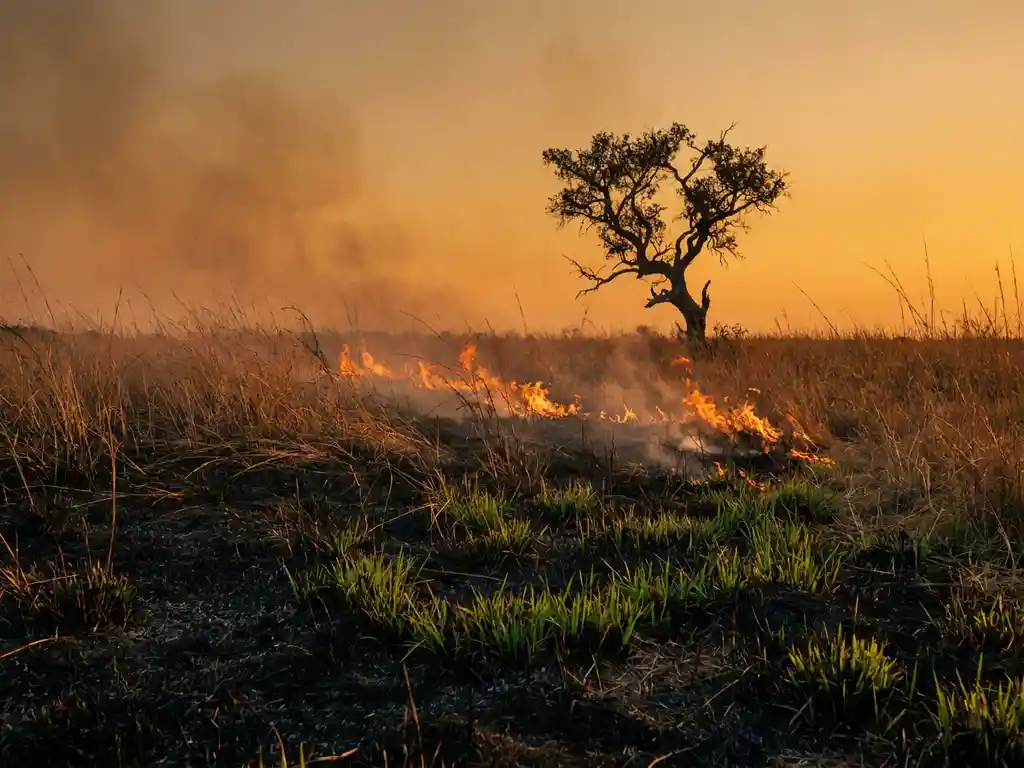
Fire management actively supports biodiversity by mimicking the natural role that fire plays in shaping ecosystems. Many habitats depend on periodic burning to clear dense vegetation, recycle nutrients, and create the varied structural conditions that different species need to survive. The sections below unpack the key questions around fire ecology, prescribed burning, and how controlled burns are applied across different environments.
What role does fire play in natural ecosystems?
Fire is a natural ecological process that has shaped landscapes for millions of years. In fire-adapted ecosystems, periodic burning clears accumulated plant matter, releases nutrients back into the soil, opens up the forest canopy, and resets successional processes that would otherwise lead to a loss of habitat diversity.
Many ecosystems around the world, including savannas, Mediterranean shrublands, boreal forests, and tallgrass prairies, evolved alongside fire. The plants and animals in these habitats did not simply survive fire; they developed biological strategies that depend on it. Some plant species have seeds that only germinate after exposure to heat or smoke. Others have thick bark designed to withstand low-intensity flames. These adaptations reveal how deeply fire is embedded in the ecological logic of certain landscapes.
When fire is removed from these systems entirely, the consequences can be severe. Woody shrubs and invasive species encroach on open habitats. Leaf litter and dead wood accumulate to levels that make future fires far more intense and destructive. The structural diversity of the landscape collapses, reducing the range of niches available to wildlife. Fire ecology research consistently shows that the absence of fire can be just as damaging to biodiversity as its uncontrolled presence.
How does prescribed burning increase species diversity?
Prescribed burning increases species diversity by creating a mosaic of habitat conditions across a landscape. When different patches burn at different times and intensities, the result is a patchwork of early successional areas, mid-successional zones, and mature vegetation. This structural heterogeneity supports a far wider range of species than a uniform, unburned landscape.
In grassland ecosystems, for example, controlled burns remove the thick thatch of dead grass that accumulates over time. This opens up the ground layer, allowing sunlight to reach the soil and triggering the germination of wildflowers and grasses that would otherwise be suppressed. The resulting flush of new growth attracts pollinators, ground-nesting birds, and small mammals that depend on open, low-growing vegetation.
In woodland and forest settings, prescribed fire thins the understory and reduces competition for light and nutrients. This benefits shade-intolerant plant species and the insects, birds, and mammals that rely on them. The creation of standing deadwood and charred logs through burning also provides critical nesting and foraging habitat for cavity-nesting birds and saproxylic beetles.
The timing and frequency of prescribed burns are carefully calibrated to the ecological needs of the target habitat. Fire managers typically work with ecologists to design burn rotations that maintain a dynamic, species-rich landscape rather than burning everything at once.
What’s the difference between prescribed fire and wildfire suppression?
Prescribed fire is the deliberate, planned use of controlled burns to achieve specific land management goals, including biodiversity enhancement, fuel load reduction, and habitat restoration. Wildfire suppression, by contrast, is the reactive effort to extinguish uncontrolled fires that threaten lives, property, and ecosystems. The two approaches represent fundamentally different philosophies toward fire in the landscape.
Prescribed burning is proactive. Fire managers define clear objectives, assess weather conditions, establish containment lines, and ignite fires under carefully controlled parameters. The goal is to introduce fire as a tool, replicating the ecological role it once played naturally while keeping the process safe and predictable.
Wildfire suppression is reactive and prioritizes immediate safety over ecological outcomes. While suppression is essential when fires threaten communities, decades of aggressive suppression policy in many regions have had unintended consequences for biodiversity. By preventing all fires, land managers inadvertently allowed fuel loads to build up to dangerous levels. When fires eventually did occur, they burned with an intensity that destroyed the very ecosystems suppression was meant to protect.
The modern approach to fire management increasingly integrates both strategies. Prescribed burning reduces the fuel available for catastrophic wildfires, making suppression efforts more effective when they are needed. Many fire ecology practitioners argue that investing in controlled burns is one of the most effective forms of wildfire prevention available.
Which species benefit most from fire management?
Species that benefit most from fire management are those adapted to open, early successional, or structurally diverse habitats. This includes a wide range of grassland birds, reptiles, pollinators, and fire-adapted plant communities that depend on periodic disturbance to maintain the conditions they need.
Among birds, ground-nesting species such as nightjars, lapwings, and various grassland sparrows respond strongly to prescribed burning. These species require short, open vegetation with bare ground patches for nesting, and fire management delivers exactly that. Raptors also benefit from the increased visibility and prey availability in recently burned areas.
Reptiles, including many lizard and snake species, are strongly associated with fire-managed habitats. They rely on the warm, open ground and basking sites that fire creates, as well as the insect communities that colonize burned areas rapidly.
Pollinators, including native bees, butterflies, and beetles, benefit from the burst of flowering plants that follows a prescribed burn. The removal of dominant grasses and woody vegetation allows a diverse array of wildflowers to establish, providing critical forage for pollinator populations that are under pressure in many regions.
Fire-adapted plant species such as longleaf pine, heather, and various geophytes (bulb-forming plants) also depend on fire management. Many of these plants have been in long-term decline due to fire suppression, and their recovery is closely linked to the reintroduction of controlled burning in their native habitats.
How do fire managers balance biodiversity goals with safety risks?
Fire managers balance biodiversity goals with safety risks by applying strict operational protocols, selecting appropriate burning windows, and coordinating closely with local authorities and emergency services. The process involves detailed pre-burn planning that assesses weather conditions, fuel moisture levels, wind direction, and proximity to infrastructure before any ignition takes place.
Burn prescriptions define the specific environmental conditions under which a fire can be safely ignited and maintained. If conditions fall outside those parameters, the burn is postponed. This disciplined, evidence-based approach ensures that ecological benefits are pursued without compromising public safety or risking uncontrolled spread.
Fire managers also use physical firebreaks, water resources, and trained crews to maintain control throughout the burn. Post-burn monitoring allows them to assess both the ecological outcomes and any unintended effects, feeding that information back into future burn planning.
Community engagement is increasingly recognized as an essential part of safe fire management. When local residents understand the purpose and safety protocols behind prescribed burns, they are more likely to support the practice and less likely to misreport controlled burns as wildfires. Transparent communication reduces response delays and builds public trust that long-term habitat management programs require.
Can fire management support biodiversity in urban and industrial areas?
Yes, fire management can support biodiversity in urban and industrial areas, though the approach differs significantly from large-scale landscape burning. In urban fringe habitats, brownfield sites, and managed green spaces, small-scale controlled burns and habitat management techniques informed by fire ecology principles can create valuable refuges for wildlife in otherwise heavily modified environments.
Urban heathlands, grassland verges, and nature reserves within city boundaries have been successfully managed using prescribed burning to maintain open habitat structure and support declining invertebrate and plant communities. These burns are typically small in scale, carefully contained, and conducted in coordination with local fire services.
In industrial settings, the relationship between fire management and biodiversity takes a different form. The priority in industrial environments is preventing uncontrolled fire from damaging critical infrastructure, sensitive equipment, and surrounding habitats. Effective fire suppression within industrial facilities protects not only assets and operations but also the surrounding landscape from the pollution, soil contamination, and habitat destruction that a major industrial fire can cause.
Modern fire suppression technology plays a direct role here. Systems that use clean, inert suppression agents rather than chemical-based alternatives help ensure that fire incidents in industrial settings do not result in toxic runoff or residue that harms local ecosystems. The environmental footprint of the suppression method itself matters when biodiversity protection is part of the broader sustainability agenda.
How ExxFire supports fire safety in sensitive environments
While fire management in natural landscapes focuses on using fire as an ecological tool, protecting industrial and critical infrastructure from fire requires equally thoughtful solutions. ExxFire’s integrated fire detection and suppression systems are designed for exactly this purpose, offering a clean, environmentally responsible approach to fire safety in enclosed spaces.
- PFAS-free suppression: ExxFire uses non-pressurized nitrogen gas rather than chemical agents, eliminating the risk of toxic residues that can harm sensitive environments and ecosystems surrounding industrial sites.
- Early detection: Aspirating smoke detection identifies fire at the earliest possible stage, reducing the scale of any suppression event and minimizing disruption to operations and surroundings.
- No chemical residues: Nitrogen leaves no damaging residue on electronics or components, protecting high-value equipment while keeping the suppression process clean and environmentally neutral.
- Easy installation and low maintenance: Systems are designed for self-installation without special certification, with no ongoing maintenance requirements once commissioned.
- Tested and certified: All systems are tested and certified by CNPP in France and DMT/TÜV Nord in Germany, ensuring compliance with rigorous fire safety standards.
For organizations managing critical infrastructure in or near ecologically sensitive areas, choosing a suppression system that aligns with sustainability goals is not a minor detail. Contact ExxFire to find out how its nitrogen-based fire suppression technology can protect your assets without compromising your environmental commitments.