

How do PFAS restrictions impact fire protection planning in 2026?
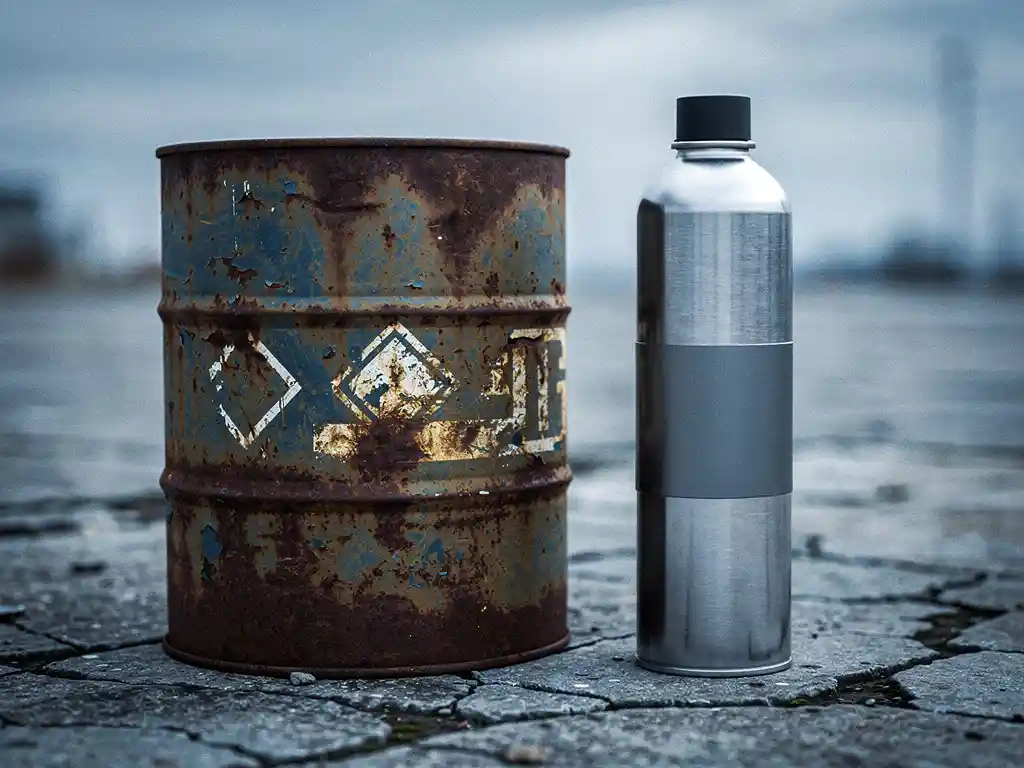
PFAS restrictions are reshaping fire protection planning in 2026 in concrete, time-sensitive ways. Organizations that rely on foam-based or certain gaseous suppression systems containing per- and polyfluoroalkyl substances now face regulatory pressure to phase out those systems under advancing EU legislation. The questions below address the specific systems affected, the regulatory timeline, compliant alternatives, and the practical steps organizations should take now.
Which fire suppression systems are affected by PFAS regulations?
PFAS regulations primarily affect aqueous film-forming foam (AFFF) systems and other fluorinated foam agents, which have long been used in aviation, industrial, and large-scale fire suppression. Beyond foams, certain gaseous suppression agents and chemical additives that contain fluorinated compounds also fall under scrutiny as regulators broaden the definition of restricted PFAS substances.
The most widely affected systems include:
- AFFF and fluoroprotein foams used in fuel storage, hangars, and industrial fire suppression
- Fluorinated clean agent systems that use certain halon alternatives containing PFAS-related chemistry
- Wet chemical suppression systems where fluorinated surfactants are present in the extinguishing media
- Portable extinguishers containing fluorinated foaming agents
Electrical enclosure protection systems that use dry powders or non-fluorinated gases are generally not affected, but any system using agents with fluorinated chemistry should be reviewed against the current restricted substance lists. Organizations should not assume that a system marketed as “clean agent” is automatically PFAS-free, as some older formulations contain fluorinated compounds that fall within the regulatory scope.
What is the EU PFAS restriction timeline for fire protection?
The EU PFAS restriction timeline for fire protection is anchored in the broader universal PFAS restriction proposal under the European Chemicals Agency (ECHA), which has been progressing through regulatory review. In 2026, organizations operating in the EU face an increasingly firm compliance environment, with transitional periods for specific use categories narrowing and enforcement expectations rising across member states.
The key milestones relevant to fire protection planning are:
- PFAS in firefighting foams have already been subject to restrictions under earlier regulations, with many member states implementing national bans on AFFF ahead of EU-wide deadlines.
- The universal PFAS restriction proposed by five EU member states covers the manufacture, use, and placing on the market of PFAS-containing substances, with derogations for specific sectors that are time-limited rather than permanent.
- Transitional periods vary by application, but organizations should treat 2026 as the year to complete compliance audits and begin procuring compliant alternatives, not the year to start planning.
Beyond the EU, the UK, Norway, and several non-European jurisdictions are advancing parallel PFAS restrictions that affect multinational organizations operating across borders. Fire protection planning in 2026 must account for the most stringent applicable regulation in each operating territory.
What are the compliant alternatives to PFAS-containing fire suppression systems?
Compliant alternatives to PFAS-containing fire suppression systems include inert gas systems, water mist systems, carbon dioxide systems, and dry chemical agents that contain no fluorinated compounds. The most suitable alternative depends on the assets being protected, the enclosure type, and the operational requirements of the environment.
For mission-critical electrical and electronic environments, inert gas suppression is widely regarded as the most practical and effective PFAS-free option. Nitrogen, argon, and nitrogen-argon blends suppress fire by reducing the oxygen concentration in an enclosure without leaving chemical residues, damaging sensitive electronics, or introducing any PFAS compounds. These systems are well-suited to server rooms, switchgear cabinets, battery energy storage systems, and ICT enclosures where residue-free suppression is essential.
Water mist systems offer a PFAS-free solution for larger spaces and certain industrial environments, though they are generally less appropriate for electronics-dense enclosures due to the risk of water damage. CO2 systems remain compliant but carry safety risks in occupied spaces that limit their application. For most organizations protecting high-value electrical equipment, nitrogen-based suppression represents the strongest combination of compliance, effectiveness, and safety.
How does PFAS compliance affect protection of electrical cabinets and BESS?
PFAS compliance directly affects the selection of suppression agents used inside electrical cabinets and battery energy storage systems (BESS), since any agent containing fluorinated chemistry must be replaced. For these asset types, PFAS-free inert gas suppression is both the most compliant and the most technically appropriate solution, as it suppresses fire without damaging electronics or leaving residues that could cause secondary failures.
Electrical cabinets and BESS present specific fire risk characteristics that make agent selection critical. Lithium-ion battery fires involve thermal runaway, which can be extremely difficult to extinguish once fully developed. Early detection combined with rapid suppression at the enclosure level, before a fire escalates, is the most effective protection strategy. Inert gas systems that integrate aspirating smoke detection can identify combustion particles at the pre-fire stage and trigger suppression before thermal runaway takes hold.
From a compliance standpoint, organizations deploying new BESS installations in 2026 should specify PFAS-free suppression from the outset. Retrofitting existing installations with compliant systems is also achievable, particularly where enclosure-level suppression can be added without major infrastructure changes. Procuring a system that combines early smoke detection with nitrogen suppression in a single, pre-engineered unit significantly simplifies both installation and ongoing compliance documentation.
Should organizations replace PFAS systems before the legal deadline?
Yes, organizations should replace PFAS-containing fire suppression systems before the legal deadline rather than waiting for enforcement. Acting ahead of the deadline reduces operational risk, avoids procurement pressure as compliant alternatives become more in demand, and allows for planned installation rather than reactive replacement under compliance pressure.
There are several practical reasons to act early:
- Supply chain readiness: Demand for PFAS-free suppression systems is increasing across industries simultaneously. Organizations that delay procurement may face longer lead times as the deadline approaches.
- Installation planning: Replacing suppression systems in live electrical environments or operational data centers requires careful scheduling. Planned replacement allows downtime to be managed; forced replacement under regulatory pressure does not.
- Insurance and liability: Continuing to operate non-compliant suppression systems beyond transitional deadlines may affect insurance coverage and create liability exposure in the event of a fire incident.
- Reputational and ESG considerations: Sustainability-conscious organizations and those subject to ESG reporting have additional incentives to phase out PFAS systems ahead of legal requirements.
The strongest argument for early replacement is risk management. A PFAS-containing system that fails or causes environmental contamination during the transitional period still carries regulatory and reputational consequences, even if a derogation is technically still in effect.
How do you audit existing fire suppression systems for PFAS compliance?
Auditing existing fire suppression systems for PFAS compliance requires identifying every suppression agent in use, cross-referencing those agents against current PFAS restriction lists, and documenting the findings in a format that supports procurement and replacement planning. The audit should cover all fixed suppression systems, portable extinguishers, and any suppression agents held in reserve or maintenance stock.
A structured audit process includes the following steps:
- Compile a full system inventory: List every fire suppression system on site, including the agent type, installation date, and the enclosures or areas it protects.
- Obtain safety data sheets (SDS): Request current SDS documentation from system manufacturers or maintenance providers for every agent in use. PFAS content should be disclosed in section 3 (composition) of the SDS.
- Cross-reference against restriction lists: Compare the chemical identifiers in the SDS against the ECHA PFAS restriction proposal and any applicable national restriction lists. Pay particular attention to perfluorocarbon and polyfluoroalkyl substance identifiers.
- Categorize systems by compliance status: Classify each system as compliant, requiring review, or requiring replacement. Note any applicable transitional derogations and their expiry dates.
- Prioritize replacement planning: Rank non-compliant systems by asset criticality and deadline proximity. Systems protecting mission-critical equipment or subject to the earliest deadlines should be prioritized.
- Document and report: Maintain a compliance record that can be presented to regulators, insurers, or auditors. This record should be updated whenever a system is replaced or a new agent is introduced.
Organizations without in-house expertise should engage a qualified fire safety consultant or system provider to conduct or validate the audit. Third-party verification adds credibility to the compliance record and reduces the risk of oversights in complex multi-site environments.
How ExxFire supports PFAS-free fire protection planning
ExxFire provides a directly applicable solution for organizations navigating PFAS restrictions in fire protection. Its combined fire detection and suppression systems use non-pressurized nitrogen gas, a fully inert, PFAS-free agent that leaves no chemical residues and causes no damage to sensitive electronics. For organizations protecting electrical cabinets, switchgear, server racks, and battery energy storage systems, ExxFire’s systems offer a compliant, tested alternative that addresses both regulatory requirements and operational continuity.
Key features relevant to PFAS compliance planning include:
- PFAS-free suppression agent: Nitrogen gas contains no fluorinated compounds, making ExxFire systems fully compliant with current and anticipated PFAS restrictions
- Integrated early detection: Aspirating smoke detection identifies combustion particles at the pre-fire stage, enabling suppression before significant damage occurs
- No residue, no secondary damage: Nitrogen leaves no chemical or physical residue, protecting sensitive electronics and eliminating post-suppression cleanup costs
- Pre-engineered for easy installation: Systems are designed for self-installation in closed enclosures up to 4.5 m³, with units interconnectable for larger volumes, reducing installation cost and complexity
- Third-party tested and certified: Systems are tested and certified by CNPP in France and validated by DMT, part of TÜV Nord, supporting compliance documentation
Whether you are auditing existing systems, planning a new installation, or replacing a PFAS-containing system ahead of regulatory deadlines, ExxFire’s nitrogen fire suppression systems provide a proven, sustainable path to compliance. Contact ExxFire to discuss your specific protection requirements and find out how its systems can be integrated into your fire protection planning for 2026 and beyond.