

What causes kitchen fires and how can you prevent them?
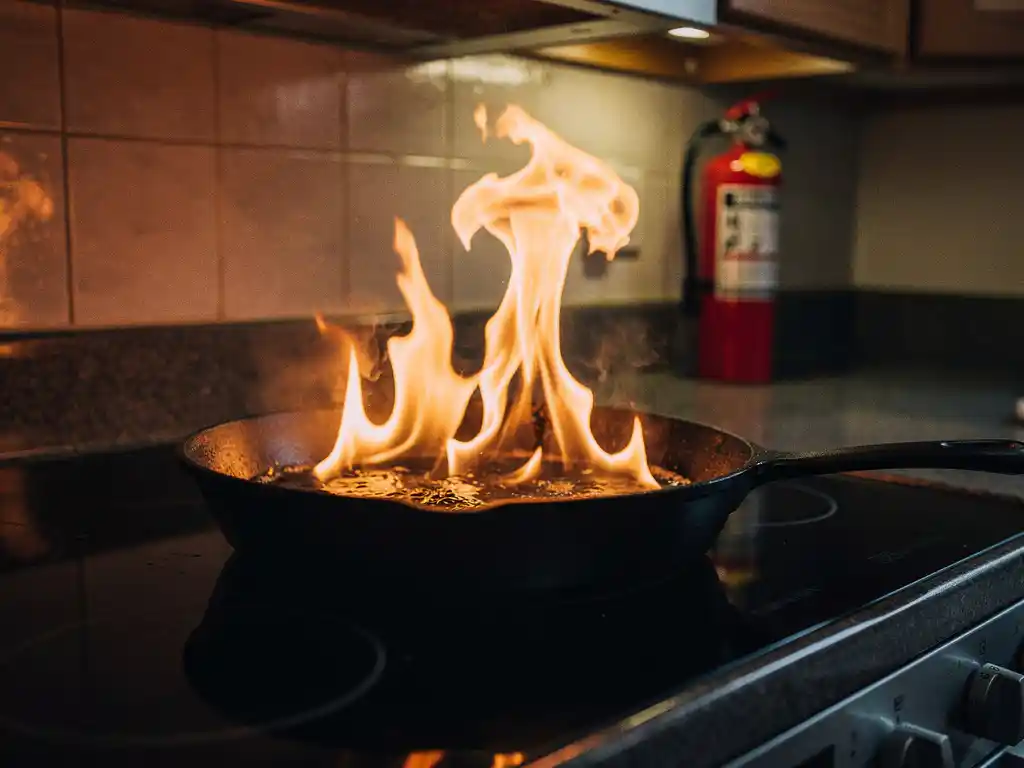
Kitchen fires are most commonly caused by unattended cooking, grease buildup, and electrical faults. These three hazards account for the vast majority of residential and commercial kitchen fires worldwide. Understanding what triggers a kitchen fire and how to prevent one can protect both people and property from serious harm. The questions below cover the most important causes, prevention steps, and response actions every kitchen user should know.
What are the most common causes of kitchen fires?
The most common causes of kitchen fires are unattended cooking, overheated grease and cooking oils, faulty or misused electrical appliances, and improper storage of flammable materials near heat sources. Unattended cooking is the single leading cause, as food left on a hot stove or in an oven can ignite within minutes without anyone present to intervene.
Beyond unattended cooking, the following kitchen fire hazards appear most frequently:
- Grease and cooking oil overheating on stovetops or in deep fryers
- Faulty electrical wiring or overloaded kitchen circuits
- Malfunctioning appliances such as toasters, microwaves, and ovens
- Flammable materials placed too close to heat, including dish towels, paper, and packaging
- Unattended open flames from gas burners or candles near the cooking area
Each of these hazards is preventable with the right habits and equipment in place. Commercial kitchens face a higher risk due to the volume and intensity of cooking activity, but the same root causes apply in domestic settings.
Why is grease the most dangerous kitchen fire hazard?
Grease is the most dangerous kitchen fire hazard because it ignites at high temperatures, spreads rapidly, and cannot be safely extinguished with water. When cooking oil or animal fat overheats, it reaches its auto-ignition point and bursts into flame. Pouring water onto a grease fire causes a violent steam explosion that spreads burning oil instantly across a wide area.
Grease fires are particularly difficult to control because the fuel source is liquid and mobile. A pan fire can travel across a stovetop, drip onto lower surfaces, or be carried by air currents to nearby combustibles. In commercial kitchens, grease accumulation in extraction ducts and hoods creates a secondary fire risk that is easy to overlook during daily operations.
The correct response to a grease fire is to cut off oxygen by covering the pan with a lid or using a fire blanket, and to turn off the heat source immediately. Class F fire extinguishers are specifically designed for cooking oil fires and should be present in any professional kitchen environment. Never attempt to move a pan that is on fire, as this dramatically increases the risk of spreading the blaze.
How do electrical faults start kitchen fires?
Electrical faults start kitchen fires through overloaded circuits, damaged wiring, faulty appliances, and improper use of extension leads. When electrical current flows through a damaged or undersized conductor, it generates heat. If that heat is not dissipated quickly enough, nearby combustible materials can ignite, often inside walls or behind appliances where the fire goes undetected for some time.
Kitchens are particularly vulnerable to electrical fire risk for several reasons:
- High appliance density means multiple high-draw devices often share the same circuit
- Moisture and steam can degrade wiring insulation and cause short circuits over time
- Aging appliances develop internal faults that produce heat or sparks
- Extension leads used as permanent solutions are frequently overloaded in kitchen settings
Electrical kitchen fires often start inside appliances or behind fitted units, making early detection critical. Regularly inspecting appliance cords for fraying, avoiding daisy-chaining extension leads, and having kitchen wiring checked by a qualified electrician every few years are all practical steps toward reducing this risk.
What are the best ways to prevent kitchen fires?
The best ways to prevent kitchen fires are to never leave cooking unattended, keep heat sources clear of flammable materials, maintain appliances and wiring regularly, and install appropriate fire detection equipment. Most kitchen fires are preventable with consistent habits and basic safety measures applied every time the kitchen is in use.
Practical kitchen fire prevention steps include:
- Stay present when cooking, especially when using high heat or open flames
- Clean grease from stovetops, ovens, and extraction hoods on a regular schedule to prevent buildup
- Keep flammable items away from burners, including towels, packaging, and loose clothing
- Never overfill deep fryers or pans with oil, as overflow creates immediate ignition risk
- Inspect appliance cords and plugs for damage before use
- Use appliances only as intended and follow manufacturer guidelines
- Install a smoke detector in or near the kitchen and test it regularly
- Keep a Class F extinguisher or fire blanket within easy reach of the cooking area
In commercial kitchens, staff training is equally important. Every team member should know the location of fire safety equipment, understand how to use it, and be clear on evacuation procedures. Kitchen fire prevention is as much about culture and habit as it is about equipment.
What should you do if a kitchen fire starts?
If a kitchen fire starts, act immediately by cutting off the fuel source, containing the fire if it is safe to do so, alerting others, and calling the emergency services. The first priority is always personal safety. If a fire cannot be controlled within seconds using available equipment, evacuate and let trained firefighters handle it.
The correct sequence of actions depends on the type and scale of the fire:
- For a pan or grease fire: Turn off the heat, cover the pan with a lid or fire blanket, and do not move it. Never use water.
- For an oven fire: Turn off the oven and keep the door closed to starve the fire of oxygen.
- For an electrical fire: Disconnect the power source if it is safe to do so, then use a CO2 extinguisher. Never use water on electrical fires.
- For any fire that grows or spreads: Activate the fire alarm, alert everyone in the building, and evacuate immediately. Call emergency services from outside the building.
A common mistake is attempting to fight a fire that has already grown beyond the initial ignition point. If flames have spread to surrounding surfaces, cabinets, or extraction systems, the fire is no longer manageable with a handheld extinguisher. Prioritize evacuation and early notification over attempting to suppress a fire that is already escalating.
What fire detection and suppression options exist for kitchens?
Fire detection and suppression options for kitchens range from basic smoke alarms and heat detectors to automatic suppression systems integrated into cooking equipment and extraction hoods. The right choice depends on whether the kitchen is domestic or commercial, the volume and type of cooking activity, and the regulatory requirements that apply to the space.
For residential kitchens, the minimum recommended setup includes a working smoke alarm positioned near but not directly above the cooking area to reduce false alarms, and a fire blanket or Class F extinguisher within easy reach. Heat detectors are a better fit than ionization smoke alarms directly above a stove, as they are less prone to false activations from steam and cooking vapors.
Commercial kitchens typically require more robust protection, including suppression systems installed within hood and duct assemblies that activate automatically when a fire is detected. These systems use wet chemical agents specifically rated for cooking oil fires and are often required by building codes and insurance policies.
Beyond the cooking zone itself, kitchens in commercial or industrial environments often contain electrical control panels, switchgear, and ICT infrastructure that present their own fire risk. These enclosed systems benefit from dedicated detection and suppression solutions that can respond at the point of origin before a fire has a chance to spread.
How ExxFire helps protect against kitchen and equipment fires
ExxFire provides integrated fire detection and suppression systems designed to protect the electrical and mission-critical equipment that supports kitchen and building operations. Where conventional kitchen suppression systems address the cooking zone, ExxFire’s technology targets the enclosed electrical environments that are often overlooked: switchgear cabinets, control panels, and ICT enclosures that sit behind the scenes in commercial facilities.
ExxFire’s combined systems offer the following advantages for facility operators:
- Aspirating smoke detection identifies fire signatures at the earliest possible stage, before flames develop
- Non-pressurized nitrogen gas suppression extinguishes fires at the source without damaging sensitive electronics or leaving chemical residues
- PFAS-free, environmentally clean technology that meets modern sustainability and compliance requirements
- Easy self-installation without requiring specialist certification, keeping installation costs low
- Built-in relay reporting that integrates seamlessly with existing fire alarm panels
- Tested and certified by CNPP France and DMT, part of TÜV Nord, for verified performance
For facility managers, health and safety officers, and operations teams responsible for commercial kitchen environments and the infrastructure that supports them, ExxFire delivers protection that is clean, reliable, and built for business continuity. Contact ExxFire to discuss the right fire detection and suppression solution for your facility.
Related Articles
- What is the difference between fire management and fire suppression?
- What is the role of technology in fire management in 2026?
- Can a single suppression system meet both EN54 and NFPA standards?
- Why is cabinet-level fire suppression more effective than room-level systems?
- What are the fire prevention requirements for rental properties in 2026?