

How do you prevent dryer fires at home?
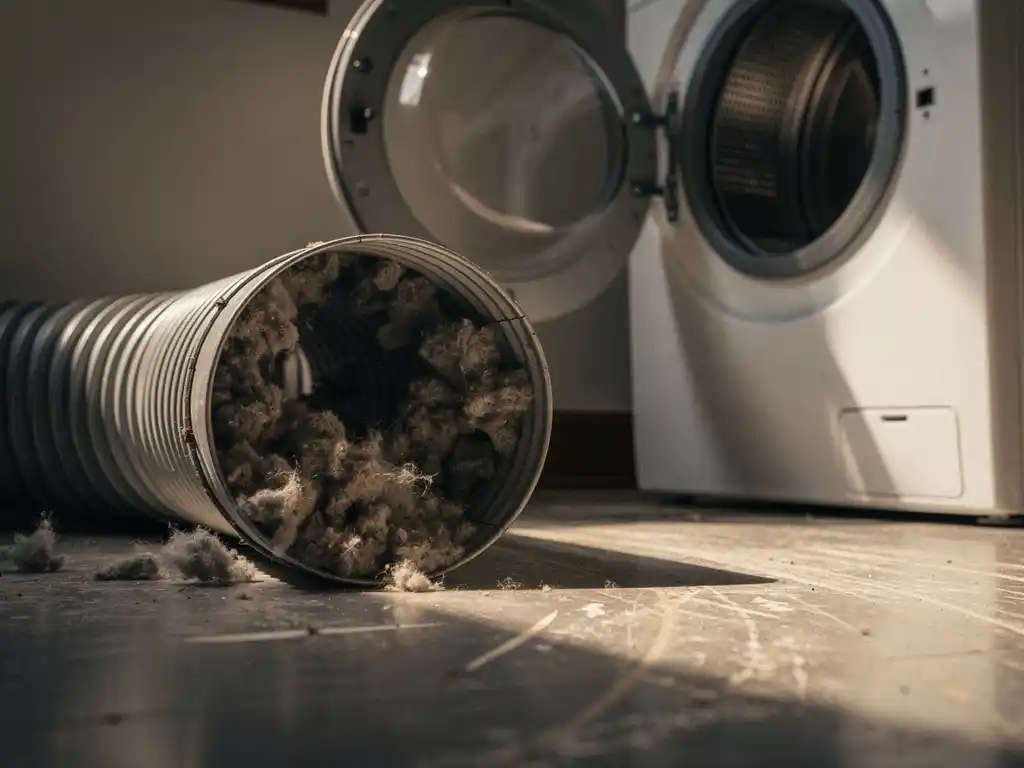
Dryer fires are largely preventable with regular maintenance and a few key safety habits. The most effective steps are cleaning the lint trap after every load, clearing the dryer vent at least once a year, and never leaving a dryer running unattended. These simple practices eliminate the most common fire hazards found in residential laundry rooms. The sections below cover the specific causes, warning signs, and actions that keep your home safe.
What causes most dryer fires at home?
The leading cause of dryer fires at home is lint accumulation, particularly inside the dryer vent duct. Lint is highly flammable, and when it builds up in the exhaust pathway, restricted airflow causes heat to spike to dangerous levels. Electrical faults, overheating motors, and improper use of the dryer are secondary causes.
Lint does not only collect in the trap you pull out after each cycle. It migrates into the vent hose, the duct running through the wall, and the exterior vent cap. Over time, this buildup creates a dense, combustible mass sitting directly in the path of hot exhaust air. A single spark or sustained high temperature is enough to ignite it.
Beyond lint, other common dryer fire causes include:
- Blocked or kinked vent hoses that trap heat inside the drum
- Flammable residues on clothing, such as cooking oils, gasoline, or chemical solvents that have not been fully washed out
- Overloading the dryer, which forces the motor and heating element to work harder and longer
- Damaged heating elements or faulty thermostats that allow temperatures to exceed safe limits
- Plastic or foil flex duct instead of rigid metal duct, which can sag, kink, and trap lint more easily
Understanding these root causes is the foundation of effective dryer fire prevention. Most of them are avoidable through consistent habits and periodic checks.
How often should you clean your dryer vent?
You should clean your dryer vent duct at least once a year for a typical household. If your dryer runs frequently, if you have a large family, or if the vent run is long or has multiple bends, cleaning every six months is a safer interval. The lint trap itself should be cleared after every single load.
Annual vent cleaning is a minimum, not a target. Several factors can push that interval shorter:
- Households doing more than five loads per week
- Vents longer than three metres or with more than two 90-degree bends
- Dryers used for pet bedding or heavily soiled work clothing
- Older dryers with less efficient airflow management
Cleaning the vent duct is straightforward. You can purchase a dryer vent cleaning brush kit at most hardware stores. Disconnect the duct from the back of the dryer, feed the flexible brush through the duct in sections, and clear the exterior vent cap of any debris. For longer or more complex duct runs, hiring a professional vent cleaning service is worthwhile.
Do not neglect the interior of the dryer cabinet itself. Lint that bypasses the trap can settle on the heating element housing. Many appliance technicians recommend having the interior vacuumed out every two to three years as part of routine dryer fire prevention.
What are the warning signs of a dryer fire risk?
The clearest warning signs of a dryer fire risk are clothes that take longer than one cycle to dry, a burning smell during operation, and a dryer exterior that feels unusually hot to the touch. These signals indicate restricted airflow or an overheating component that needs immediate attention.
Pay attention to these specific indicators:
- Clothes are damp after a full cycle — reduced airflow means moisture cannot escape, which also means heat is building up inside
- Burning or musty odour during or after a cycle — this often points to lint scorching on the heating element
- The laundry room feels unusually warm — hot exhaust that cannot escape the duct leaks into the surrounding space
- Lint visible around the dryer door seal or on the floor — a sign the trap or duct is saturated and overflow is occurring
- The exterior vent flap does not open during operation — a blocked cap prevents exhaust from exiting and forces heat back into the drum
- The dryer shuts off before the cycle ends — many modern dryers have thermal cut-off switches that trip when the unit overheats
Any one of these signs warrants stopping use of the dryer until the cause is identified and resolved. Continuing to run a dryer showing these symptoms significantly increases the risk of a lint trap fire or duct ignition.
What should you never put in a dryer to avoid fires?
Never put items contaminated with flammable substances in a dryer. Clothing or rags that have come into contact with cooking oil, motor oil, gasoline, paint thinner, alcohol, or any chemical solvent should not go in the dryer even after washing, because residues can remain in the fabric and ignite under heat.
Beyond chemically contaminated items, other materials that should stay out of the dryer include:
- Foam-backed rugs or mats — the foam can overheat and ignite
- Rubber-backed items such as non-slip bath mats or shoe insoles
- Plastic or rubber-containing garments, including some sportswear with heat-sensitive coatings
- Items stuffed with down or feathers that are not rated for machine drying — clumped fill can create hot spots
- Anything with stains that have not been fully treated and washed — heat sets stains and can activate residual chemicals
For oil-stained items, the safest approach is to air-dry them completely outdoors or in a well-ventilated area. The heat of a dryer drum does not reduce the flammability of oily residues — it concentrates it. This is one of the most overlooked aspects of home fire safety in the laundry room.
How do you safely install and maintain a dryer vent?
Safe dryer vent installation requires using rigid metal ductwork, keeping the run as short and straight as possible, and ensuring the exterior cap opens freely and is protected from pests. Maintenance means inspecting the full duct length annually, cleaning out lint accumulation, and checking that all connections remain secure and sealed.
Installation best practices
The material of the duct matters enormously. Rigid aluminium or galvanised steel duct is the only recommended option for a permanent installation. Flexible plastic or thin foil accordion duct can sag between supports, creating low points where lint settles and ignites. If your current installation uses this type of duct, replacing it with rigid metal is one of the most impactful dryer fire prevention upgrades you can make.
Keep the duct run as short as possible and limit bends. Each 90-degree elbow is equivalent to adding roughly one to one and a half metres to the effective length of the run in terms of airflow resistance. Most dryer manufacturers specify a maximum total equivalent duct length, and exceeding it compromises both drying performance and safety.
Ongoing maintenance steps
Beyond annual duct cleaning, a well-maintained dryer vent system requires periodic visual checks. Inspect the exterior vent cap each season to confirm the flap opens and closes cleanly and that no bird nests, insect debris, or ice have formed a blockage. Check the duct connection at the back of the dryer to ensure the clamp or tape seal has not loosened, as gaps allow lint to escape into the wall cavity.
If your dryer is a gas model, have the gas connection and combustion components inspected by a qualified technician every few years. A gas dryer with a faulty burner or cracked igniter presents a combined fire and carbon monoxide risk that goes beyond lint management.
What should you do if your dryer catches fire?
If your dryer catches fire, keep the door closed, unplug the appliance immediately if it is safe to do so, and call emergency services. Keeping the door shut limits the oxygen supply to the fire and can slow its spread. Do not open the dryer door to investigate or attempt to remove items.
Follow these steps in order:
- Do not open the dryer door. Introducing fresh air can cause the fire to flare up rapidly.
- Unplug the dryer from the wall socket if you can reach it safely without passing through smoke or flames.
- Evacuate the room and close the door behind you to contain the fire.
- Call your local emergency services immediately. Do not attempt to fight a dryer fire with water — electrical appliances and water are a dangerous combination.
- Use a dry powder or CO2 fire extinguisher only if the fire is very small, contained, and you have a clear exit route. Never position yourself between the fire and the exit.
- Do not re-enter the building until emergency services have confirmed it is safe.
After any dryer fire, even one that appears minor, have the appliance and vent system inspected by a qualified technician before using it again. Hidden damage to wiring, insulation, or the duct can make a second ignition more likely than the first.
How ExxFire helps protect enclosed equipment from fire
While the prevention steps above apply to residential dryers, fire risk in enclosed electrical and electronic equipment extends far beyond the home laundry room. In commercial and industrial environments, switchgear cabinets, battery energy storage systems, server racks, and ICT enclosures face comparable ignition risks from heat buildup and electrical faults — and the consequences of a fire in these systems are far more severe.
ExxFire’s integrated fire detection and suppression systems are designed specifically for this challenge. Built around aspirating smoke detection paired with non-pressurized nitrogen gas suppression, the systems act at the earliest stage of a fire event, before flames develop and cause irreversible damage. Key features include:
- Early-stage smoke detection that identifies thermal events before ignition occurs
- Nitrogen-based suppression that leaves no chemical residue, protecting sensitive electronics and components
- PFAS-free technology that meets the highest environmental and regulatory standards
- Pre-engineered design for self-installation without specialist certification, keeping total cost of ownership low
- Compatibility with existing fire panels via built-in relays, ensuring seamless integration into current safety infrastructure
- TÜV Nord and CNPP-certified testing, providing documented proof of performance
If your organisation relies on mission-critical equipment that cannot afford downtime or fire damage, contact ExxFire to find out how its combined detection and suppression systems can protect your assets from the inside out.
Related Articles
- How does urban expansion complicate wildfire management?
- What is the difference between prescribed fire and arson?
- How do you achieve EN54 compliance for an electrical enclosure?
- What is the environmental cost of a single fire suppression system discharge?
- Why is fire suppression agent selection a sustainability decision?