

What causes most house fires?
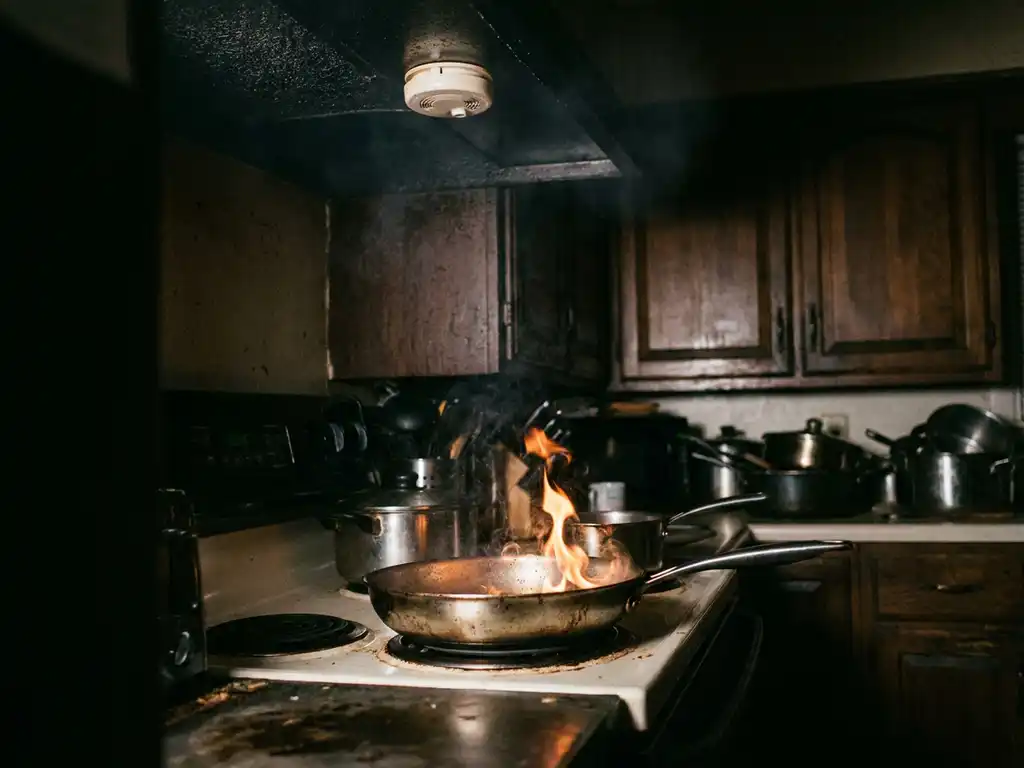
The most common causes of house fires are cooking, electrical faults, heating equipment, and open flames such as candles. Cooking alone accounts for the largest share of residential fires in most countries, typically starting when food or grease is left unattended on a hot stove. Understanding the specific causes behind home fires makes it far easier to prevent them.
What are the most common causes of house fires?
The leading causes of house fires are cooking accidents, electrical faults, heating equipment, open flames, and smoking materials. Cooking is consistently the top cause in residential settings, followed by electrical malfunctions and heating appliances. Together, these categories account for the overwhelming majority of home fire incidents reported each year.
While the ranking can vary slightly by region and season, the pattern is remarkably consistent across countries and climates. Fires that start in kitchens, electrical panels, or near heating sources tend to spread quickly because they often begin inside walls, inside cabinets, or in areas where flammable materials accumulate. Recognizing these common house fire causes is the first step toward meaningful fire prevention at home.
Why is cooking the leading cause of home fires?
Cooking is the leading cause of home fires because it combines high heat, flammable oils and fats, and frequent human distraction in a single environment. Unattended pots and pans, overheated cooking oil that reaches its flash point, and items placed too close to a burner are the most frequent triggers. Most cooking fires escalate within seconds, leaving little time to react.
Grease fires are particularly dangerous because water makes them worse. When overheated cooking oil ignites and someone instinctively reaches for water, the result is a violent steam explosion that spreads burning oil across a wide area. This is why kitchen fires are disproportionately severe compared to how they start.
Inattention is the single biggest risk factor. Stepping away from the stove to answer a phone call, check a notification, or attend to another task is enough time for a pan to overheat and ignite. Keeping a lid nearby to smother a pan fire, never leaving high-heat cooking unattended, and keeping the area around the hob clear of towels and packaging are the most effective countermeasures.
How do electrical faults start house fires?
Electrical faults start house fires when wiring, outlets, or appliances overheat, arc, or short-circuit, generating enough heat to ignite surrounding materials. Faulty wiring inside walls, overloaded circuits, damaged extension leads, and aging appliances are among the most common electrical fire causes in residential properties. These fires are especially dangerous because they often start hidden from view.
Overloaded sockets and extension leads are a frequent culprit in modern homes, where the number of devices plugged in at any one time has grown significantly. When a circuit carries more current than it was designed for, the wiring heats up. If insulation degrades or a loose connection creates an arc, the surrounding material can catch fire long before a smoke alarm triggers.
Older homes carry elevated risk because electrical systems installed decades ago were not designed to handle today’s energy demands. Outdated fuse boxes, aluminum wiring from earlier eras, and deteriorating cable insulation all increase the likelihood of an electrical fault. Having wiring inspected by a qualified electrician and replacing damaged cables or appliances promptly are the most effective ways to reduce this risk.
What household items are most likely to cause a fire?
The household items most likely to cause a fire include cookers and hobs, tumble dryers, dishwashers, electric blankets, candles, and portable heaters. Appliances with heating elements that run for extended periods, especially unsupervised, carry the highest risk. Items with damaged cords or those placed too close to flammable materials are particularly hazardous.
Several specific items deserve attention:
- Tumble dryers: Lint buildup in filters and ducts is highly flammable. Dryers that run while occupants are asleep or away from home are a common source of serious house fires.
- Electric blankets: Folding or bunching an electric blanket while it is in use traps heat and can cause the element to overheat. Older blankets with worn wiring are particularly risky.
- Candles: Left burning near curtains, books, or other combustibles, candles are a straightforward but persistent fire risk, especially when forgotten.
- Portable heaters: Space heaters placed too close to furniture, clothing, or bedding are responsible for a significant proportion of winter house fires.
- Lithium-ion batteries: Devices charged overnight or with incompatible chargers can experience thermal runaway, a rapid, self-sustaining heat reaction that is very difficult to extinguish.
The common thread across all of these items is heat combined with either flammable surroundings or a lack of supervision. Keeping appliances well maintained, following manufacturer guidelines, and never leaving heat-generating devices unattended significantly reduces exposure to these risks.
When are house fires most likely to happen?
House fires are most likely to happen between late evening and early morning, particularly between 11 pm and 3 am, when occupants are asleep and less able to detect and respond to a fire in its early stages. Fires that start during sleeping hours are disproportionately fatal compared to those that occur when people are awake and alert.
Seasonally, the risk of residential fires rises during colder months. The increased use of portable heaters, electric blankets, and open fires during autumn and winter creates more opportunities for ignition. Candle use also rises during the darker months, adding to the seasonal pattern.
Holiday periods introduce additional risk. Cooking large meals, using decorative lighting, and having more people in the home at once all contribute to elevated fire risk during periods like Christmas and New Year. Fatigue and distraction during these times compound the danger.
How can house fires be prevented?
House fires can be prevented by addressing the most common ignition sources: never leaving cooking unattended, maintaining electrical appliances and wiring, keeping flammable materials away from heat sources, and fitting working smoke alarms on every level of the home. Most residential fires are preventable with consistent, straightforward habits.
Key prevention measures include:
- Never leave the kitchen while cooking on a hob, particularly when using high heat or oil
- Test smoke alarms monthly and replace batteries annually
- Avoid overloading sockets or using extension leads as permanent wiring solutions
- Keep portable heaters at least one metre away from anything flammable
- Never leave candles burning in an unoccupied room or while sleeping
- Clean tumble dryer lint filters after every use
- Replace damaged cables and appliances rather than continuing to use them
- Have electrical installations inspected periodically, especially in older properties
Early detection is just as important as prevention. A working smoke alarm dramatically increases the chance of escaping a house fire safely. For environments where high-value equipment is at risk, such as home offices or server rooms, combining early smoke detection with a suppression system provides an additional layer of protection that passive alarms alone cannot offer.
How ExxFire helps protect high-value equipment from fire
While the tips above focus on preventing fires in the home, some environments require more than awareness and smoke alarms. For businesses, facility managers, and organizations protecting mission-critical equipment, ExxFire offers a purpose-built solution that addresses fire risk at the source.
ExxFire’s combined fire detection and suppression systems are designed specifically for closed enclosures such as server racks, electrical cabinets, switchgear, and battery energy storage systems. Key features include:
- Aspirating smoke detection that identifies smoke at the earliest possible stage, before a fire takes hold
- Non-pressurized nitrogen gas suppression that extinguishes fire without water, chemicals, or PFAS-containing agents, leaving no residue on sensitive electronics
- Patented Cool Gas Generator technology developed from space industry research, producing clean inert nitrogen gas from a solid chemical block at ambient temperature
- Easy self-installation with no special certification required, and low ongoing maintenance once commissioned
- Scalable protection for enclosures up to 4.5 m³, with multiple units interconnectable for larger volumes
- CNPP and TÜV Nord certified, meeting rigorous independent testing standards
For organizations that cannot afford downtime, hardware damage, or environmental liability from conventional suppression agents, ExxFire provides a clean, sustainable, and highly effective alternative. Explore ExxFire’s fire suppression systems to find out how the technology can be applied to your specific environment.