

How does fire prevention work in residential buildings?
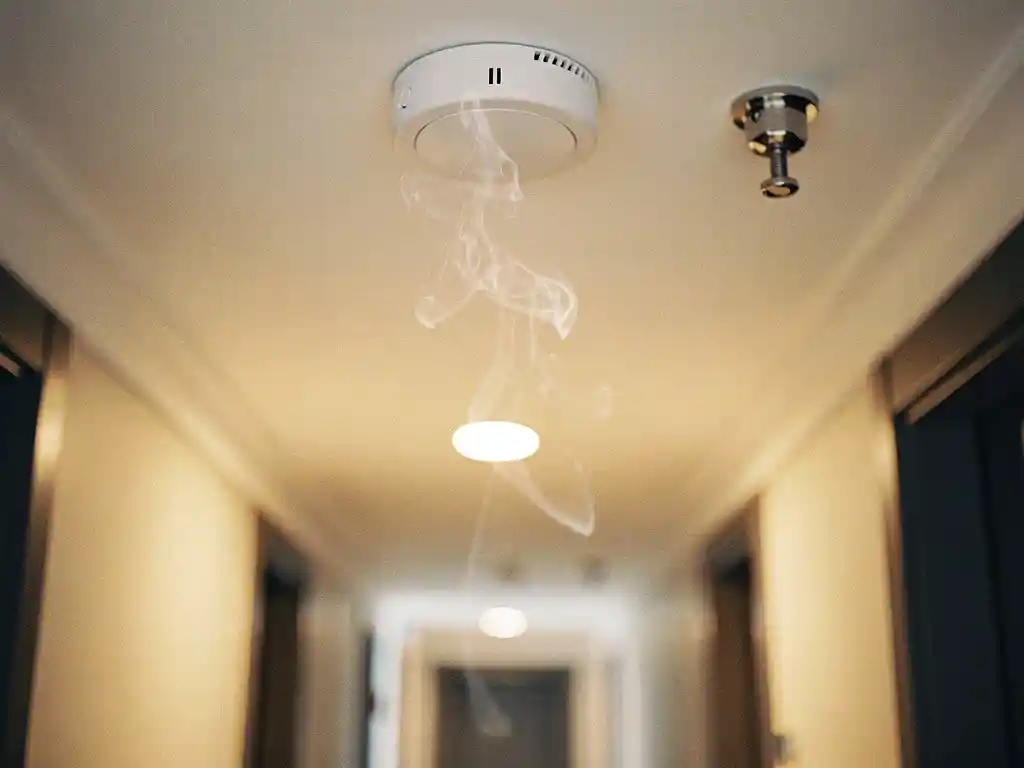
Fire prevention in residential buildings works through a combination of early detection, physical barriers, safe behavior, and legal requirements designed to stop fires before they start or limit their spread. Effective home fire safety depends on both the systems installed in a building and the daily habits of the people living there. The questions below break down everything residents and building managers need to know about residential fire prevention.
What are the most common causes of fires in residential buildings?
The most common causes of fires in residential buildings are cooking accidents, electrical faults, heating equipment issues, and the careless use of open flames such as candles. Cooking is consistently the leading cause of home fires, while electrical failures in aging wiring, overloaded sockets, and faulty appliances account for a significant share of fire incidents.
Understanding these causes helps residents and building managers focus their fire prevention efforts where they matter most. Cooking fires typically start when food is left unattended on a stove or when flammable materials are placed too close to a heat source. Electrical fires, on the other hand, often develop slowly and invisibly inside walls or enclosures before becoming visible.
Other frequent causes include:
- Smoking indoors, particularly when cigarettes are not fully extinguished
- Candles left burning near curtains, paper, or other flammable materials
- Faulty or overloaded power strips and extension cables
- Dryers and washing machines with blocked vents or lint buildup
- Children playing with fire or lighters left within reach
Recognizing these risk factors is the foundation of any residential fire prevention strategy. Most home fires are preventable when residents stay alert to these everyday hazards.
How do fire detection systems work in residential buildings?
Fire detection systems in residential buildings work by sensing the early signs of a fire, such as smoke, heat, or carbon monoxide, and triggering an audible alarm to alert occupants. The most common devices are smoke detectors, which use either ionization or photoelectric technology to detect smoke particles in the air.
Ionization detectors are faster at sensing fast-flaming fires, while photoelectric detectors respond more quickly to slow, smoldering fires that produce larger smoke particles. Many modern residential detectors combine both technologies to provide broader coverage.
Heat detectors are another option, commonly installed in kitchens where smoke detectors might produce false alarms from cooking. These devices trigger when the surrounding air temperature rises above a set threshold. Carbon monoxide detectors, while not strictly fire detectors, are often integrated into residential safety systems because CO is a deadly byproduct of incomplete combustion.
In larger residential buildings, individual detectors are often connected to a central fire alarm panel that can alert building management, trigger evacuation procedures, and notify the fire brigade automatically. Interconnected systems ensure that when one detector activates, alarms sound throughout the entire building, giving all occupants time to evacuate safely.
What fire prevention measures are required by law in residential buildings?
Legal fire prevention requirements for residential buildings vary by country, but most jurisdictions require working smoke detectors on every floor, clearly marked and unobstructed escape routes, fire-resistant construction materials in certain areas, and regular inspection of fire safety equipment. In many countries, landlords and building owners are legally responsible for meeting these standards.
In the European Union, national building codes and fire safety regulations set minimum standards for residential construction and occupancy. These typically include requirements for fire doors between stairwells and living areas, emergency lighting in communal spaces, and fire extinguishers in shared areas of multi-unit buildings.
Key legal requirements commonly found across jurisdictions include:
- Smoke detectors in every bedroom, hallway, and living area
- Carbon monoxide detectors where gas appliances or fireplaces are present
- Fire escape plans displayed in communal areas of apartment buildings
- Regular fire safety inspections by certified professionals
- Fire-rated doors and walls in stairwells and escape corridors
- Prohibition of blocking fire exits or escape routes with stored items
Residents renting a property should check their lease and local regulations to understand what their landlord is obligated to provide. Homeowners are responsible for ensuring their own properties meet local fire safety codes.
What is the difference between fire prevention and fire suppression?
Fire prevention refers to measures taken to stop a fire from starting or spreading, while fire suppression refers to systems and actions designed to extinguish a fire once it has already ignited. Prevention is proactive; suppression is reactive. Both are essential components of a complete residential fire safety strategy.
Fire prevention includes behaviors and physical measures such as safe storage of flammable materials, regular maintenance of electrical systems, proper disposal of smoking materials, and installation of fire-resistant building components. The goal is to eliminate or reduce the conditions that allow a fire to start.
Fire suppression, by contrast, involves equipment and systems that respond to an active fire. In residential settings, this includes:
- Portable fire extinguishers for small, contained fires
- Automatic sprinkler systems, more common in apartment buildings than individual homes
- Fire blankets for smothering small cooking fires
- Integrated detection and suppression systems for protecting enclosed equipment
The two approaches work best together. Detection systems bridge the gap between prevention and suppression by identifying a fire early enough for occupants to act, whether that means evacuating, using a fire extinguisher, or relying on an automatic suppression system to contain the damage.
How often should fire safety equipment in residential buildings be maintained?
Fire safety equipment in residential buildings should be tested monthly and professionally inspected at least once a year. Smoke detector batteries should be replaced annually unless the unit uses a sealed long-life battery, and the detectors themselves should be replaced every ten years or according to the manufacturer’s guidance.
Regular maintenance ensures that equipment will function correctly when it is needed most. A smoke detector with a dead battery or a blocked sensor provides no protection at all. Residents should press the test button on each smoke and carbon monoxide detector once a month to confirm it is working.
For other fire safety equipment, the following maintenance schedule is widely recommended:
- Smoke and CO detectors: Test monthly, replace batteries annually, replace units every 10 years
- Portable fire extinguishers: Visual inspection monthly, professional service annually, replace or recharge after any use
- Sprinkler systems (where installed): Annual professional inspection and flow testing
- Fire doors: Check seals and self-closing mechanisms every six months
- Escape routes: Inspect regularly to ensure they remain clear and unobstructed
Building managers in multi-unit residential properties are typically required to maintain service records for all fire safety equipment and make them available for inspection by fire safety authorities.
What should residents do to reduce fire risk in everyday life?
Residents can reduce fire risk in everyday life by practicing safe cooking habits, managing electrical loads carefully, storing flammable materials properly, and never leaving open flames unattended. Small, consistent habits make a significant difference in preventing the conditions that lead to residential fires.
In the kitchen, the single most effective habit is staying present while cooking. Turning off the stove or oven before leaving the room, keeping dish towels away from burners, and never using water to extinguish a grease fire are all practical steps that prevent the most common type of home fire.
For electrical safety, residents should avoid daisy-chaining power strips, unplug appliances when not in use, and replace any cables that show signs of fraying or damage. Charging devices such as laptops and phones should not be left on soft surfaces like beds or sofas where heat can build up.
Additional everyday habits that support residential fire prevention include:
- Keeping a clear zone of at least one meter around space heaters
- Extinguishing candles before leaving a room or going to sleep
- Cleaning the dryer lint filter after every use
- Storing flammable liquids in approved containers away from heat sources
- Having a practiced home fire escape plan with a designated meeting point outside
Fire safety is ultimately a shared responsibility. When every resident in a building takes these precautions seriously, the overall risk for the entire building decreases substantially.
How ExxFire helps protect high-value equipment in residential and commercial environments
While the fire prevention measures above apply broadly to homes and residential buildings, certain environments within or adjacent to those buildings, such as electrical distribution rooms, server closets, battery storage systems, and building management enclosures, require a more targeted level of protection.
ExxFire’s integrated fire detection and suppression systems are purpose-built for exactly these enclosed, high-value environments. Based on aspirating smoke detection paired with non-pressurized nitrogen gas suppression, ExxFire’s patented Cool Gas Generator technology detects fire at the earliest possible stage and suppresses it at the source, before it can spread.
Key advantages of ExxFire’s approach include:
- Early smoke detection through aspirating technology that identifies fire signatures before flames develop
- Clean suppression using nitrogen gas, which leaves no chemical residue and causes no secondary damage to sensitive electronics
- PFAS-free technology, making it one of the most environmentally responsible fire suppression solutions available
- Easy self-installation without the need for special certification, reducing installation costs and complexity
- Seamless integration with existing fire panels via built-in relays, ensuring compatibility with a building’s current fire safety infrastructure
- Tested and certified by CNPP in France and DMT (TÜV Nord) in Germany, confirming performance under rigorous independent standards
For facility managers, building owners, and anyone responsible for protecting critical electrical infrastructure within a residential or commercial property, ExxFire offers a proven, sustainable, and low-maintenance solution. Contact ExxFire today to find out which system is right for your environment.
Related Articles
- What is landscape-scale fire management?
- What is the future of fire suppression technology in a low-carbon economy?
- What are the health risks of PFAS in fire suppression foam?
- What is the environmental impact of CO2 fire suppression systems?
- How does nitrogen-based fire suppression protect the environment?