

How do you conduct a fire hazard inspection at home?
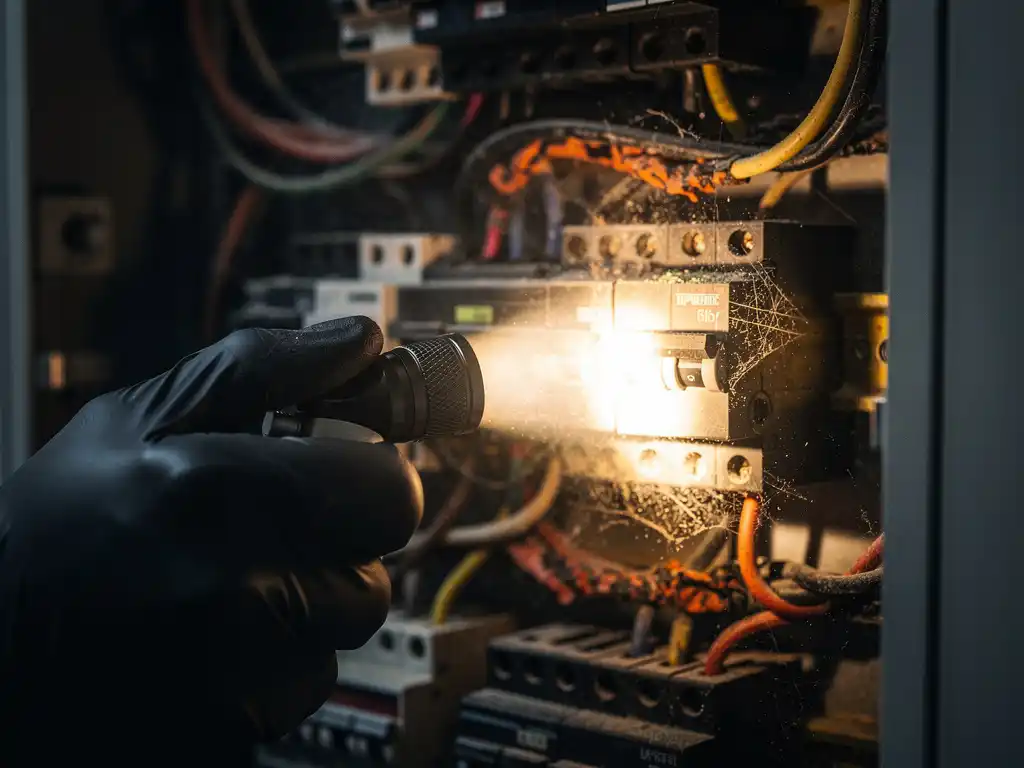
A fire hazard inspection at home means systematically checking each room and system in your house for conditions that could start or spread a fire. Walk through your home room by room, examining electrical outlets, appliances, heating equipment, and stored materials for risks. Most inspections take under an hour and require no special tools. This article covers the most important questions to guide you through the process.
What are the most common fire hazards found in homes?
The most common fire hazards in homes are electrical faults, cooking equipment, heating appliances, and the improper storage of flammable materials. These four categories account for the overwhelming majority of residential fires, and most of them are preventable through regular checks and simple behavioral habits.
Electrical hazards top the list. Overloaded power strips, frayed extension cords, and outlets with loose connections generate heat that can ignite surrounding materials without warning. Many homeowners underestimate how much electrical load modern households carry, especially with the growing number of devices charging simultaneously.
Cooking fires are the single most frequent cause of residential fires. Unattended pots and pans, grease buildup on stovetops, and flammable items left too close to burners create dangerous conditions in seconds. The kitchen is also where most fire injuries occur.
Other common hazards include:
- Space heaters and portable heating devices placed too close to curtains, bedding, or furniture
- Dryer lint buildup in the exhaust duct, which can ignite from heat alone
- Candles left unattended or placed near flammable decorations
- Flammable liquids such as paint thinner, gasoline, or cleaning solvents stored indoors without proper containment
- Chimney blockages caused by creosote buildup or debris in wood-burning fireplaces
Understanding these hazards gives you a clear starting point for your home fire risk assessment. The goal is not to eliminate every risk at once but to identify which hazards are present and address the most serious ones first.
Which rooms in your home need fire hazard inspection first?
The kitchen, utility room, and garage should be inspected first during any home fire hazard check because they concentrate the highest density of ignition sources, heat-producing appliances, and flammable materials. After these three areas, bedrooms and living rooms follow in priority.
Kitchen and utility areas
The kitchen demands the most attention. Check that the stovetop is free of grease buildup, that oven ventilation is unobstructed, and that no flammable items are stored above or beside the cooker. In the utility room, inspect the dryer duct for lint accumulation and confirm that the washing machine and dryer are not left running unattended overnight.
Garage and storage spaces
Garages often become informal storage areas for flammable liquids, power tools, and lawn equipment. Gasoline, propane canisters, and aerosol products should be stored in clearly labeled, tightly sealed containers away from heat sources and direct sunlight. Check that electrical panels located in the garage have clear access and show no signs of scorching or moisture damage.
Bedrooms and living rooms carry risk primarily through electrical overload, candles, and smoking materials. Pay particular attention to areas where multiple devices charge overnight, and ensure smoke detectors in sleeping areas are functioning correctly.
How do you check your home’s electrical system for fire risks?
To check your home’s electrical system for fire risks, inspect all visible wiring, outlets, and panels for signs of damage, overheating, or overloading. Look for discoloration around outlets, burning smells near the electrical panel, flickering lights, or frequently tripping circuit breakers. These are all warning signs that require immediate attention.
Start at the main electrical panel. Breakers should fit securely, and there should be no visible scorch marks, corrosion, or moisture. If your panel uses fuses rather than circuit breakers, check that no fuse has been replaced with one of a higher amperage than the circuit is rated for. This is a common and dangerous workaround that removes the safety function of the fuse entirely.
Move through each room and check:
- Outlets and switches for discoloration, cracks, or warmth when touched
- Extension cords for fraying, kinking, or being routed under rugs where heat cannot escape
- Power strips to confirm they are not daisy-chained together or overloaded beyond their rated capacity
- Appliance cords for damage near the plug or where they meet the appliance body
- Light fixtures to confirm bulbs do not exceed the wattage rating printed inside the fitting
Older homes built before the 1980s may have aluminum wiring or outdated wiring standards that do not meet current safety codes. If your home is older and has never had an electrical inspection, this is an area where a licensed electrician’s assessment adds real value beyond what a DIY check can determine.
What fire detection and suppression equipment should every home have?
Every home should have working smoke detectors on every floor and in every bedroom, at least one carbon monoxide detector, and a multi-purpose fire extinguisher accessible in the kitchen. These three elements form the baseline of residential fire safety and are required by building codes in most countries.
Smoke detectors should be installed on the ceiling or high on walls, since smoke rises. Test them monthly by pressing the test button and replace batteries at least once a year. Detectors older than ten years should be replaced entirely, as sensor sensitivity degrades over time regardless of battery condition.
For fire extinguishers, the standard recommendation for homes is a dry powder or foam extinguisher rated for Class A (ordinary combustibles), Class B (flammable liquids), and Class C (electrical fires). Keep one in the kitchen and a second near the garage or utility room if your layout allows. Ensure every adult in the household knows how to operate it using the PASS technique: Pull, Aim, Squeeze, Sweep.
Beyond these basics, consider:
- Heat detectors for kitchens and garages where cooking fumes or dust would trigger false alarms from standard smoke detectors
- Interconnected alarm systems so that triggering one detector activates all alarms throughout the home
- Fire blankets in the kitchen as a quick response tool for small stovetop fires
- Escape ladders for upper-floor bedrooms, particularly in homes without a secondary ground-level exit
How often should you conduct a fire hazard inspection at home?
You should conduct a full fire hazard inspection at home at least twice a year, with many fire safety professionals recommending a seasonal check every spring and autumn. Monthly checks of smoke detectors and fire extinguisher pressure gauges are also good practice and take only a few minutes.
A practical schedule looks like this:
- Monthly: Test all smoke and carbon monoxide detectors. Visually check the fire extinguisher pressure gauge. Clear any visible clutter from around electrical panels and heating equipment.
- Every six months: Conduct a full room-by-room fire hazard check covering electrical systems, appliances, flammable storage, and escape routes. Replace smoke detector batteries during one of these checks.
- Annually: Have the chimney swept if you use a wood-burning fireplace. Inspect the dryer duct for lint buildup. Review and update your household fire escape plan.
- After major changes: Any renovation, new appliance installation, or significant change to your home’s layout warrants an additional inspection focused on the affected area.
Consistency matters more than perfection. A brief, regular check catches developing hazards before they become serious problems, which is the core principle behind any effective home fire safety inspection routine.
When should you call a professional fire safety inspector instead?
You should call a professional fire safety inspector when you notice signs of electrical faults you cannot trace, when your home is older and has never had a formal inspection, or when you are preparing to sell or significantly renovate the property. DIY checks are effective for routine monitoring, but they have real limits.
Specific situations that warrant a professional fire safety inspection include:
- Persistent burning smells with no identifiable source
- Repeatedly tripping circuit breakers or blown fuses
- A home built before current electrical and fire safety codes were established
- After a minor fire or significant heat event, even if the damage appeared contained
- When installing new high-load equipment such as an electric vehicle charger, home battery storage system, or additional HVAC equipment
- If you are unsure whether your home complies with current local fire safety regulations
Professional inspectors have thermal imaging tools, gas detection equipment, and the regulatory knowledge to identify hazards that are invisible to the naked eye. The cost of an inspection is modest compared to the cost of fire damage, and in many cases the inspector’s report also provides documentation useful for insurance purposes.
If you rent your home, your landlord is typically responsible for ensuring fire safety compliance, but you retain the right to request an inspection and to raise concerns about hazards you identify yourself.
How ExxFire helps protect mission-critical equipment from fire
While the steps above cover residential fire safety at home, organizations managing high-value equipment face a more complex challenge. Electrical cabinets, server enclosures, and battery energy storage systems require targeted fire protection that standard home detection equipment cannot provide.
ExxFire’s integrated fire detection and suppression systems are purpose-built for exactly these environments. Key features include:
- Early smoke detection through aspirating smoke detection technology that identifies a fire in its earliest stages, before flames develop
- Nitrogen-based suppression using a patented Cool Gas Generator that releases non-pressurized nitrogen gas directly inside the protected enclosure, extinguishing the fire at the source without damaging sensitive electronics
- No chemical residues meaning equipment can often be returned to operation quickly after an event, minimizing downtime
- PFAS-free technology that meets the growing regulatory and sustainability requirements organizations face in 2026
- Easy self-installation with no special certification required, and compatibility with existing fire panels via built-in relays
- Tested and certified by CNPP France and DMT, part of TÜV Nord, providing independent validation of system performance
If your organization operates server rooms, switchgear cabinets, or energy storage systems that currently lack targeted fire suppression, contact ExxFire to find out how its systems can protect your assets and ensure business continuity.
Related Articles
- How do fire safety standards differ between Europe and the United States?
- How do you create a fire prevention plan at home?
- What are the differences between water mist and inert gas fire suppression?
- How do you transition from PFAS-based to PFAS-free fire suppression?
- What are the health risks of PFAS in fire suppression foam?