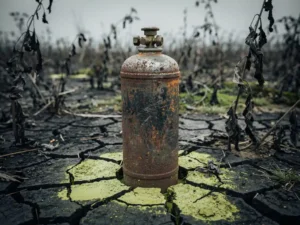
Are traditional fire suppression agents harmful to the environment?
PFAS foams and halons contaminate ecosystems for decades — discover cleaner, regulation-ready fire suppression alternatives.


PFAS foams and halons contaminate ecosystems for decades — discover cleaner, regulation-ready fire suppression alternatives.
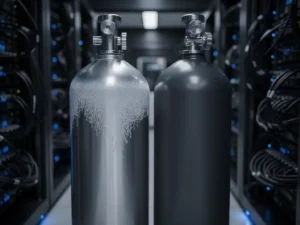
Nitrogen and argon both suppress fires by depleting oxygen — but cost, density, and storage make all the difference.
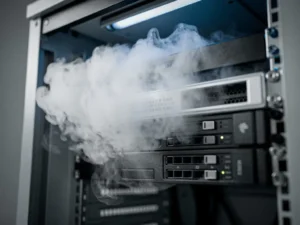
Nitrogen suppresses fire by cutting oxygen below 15%—no residue, no PFAS, no equipment damage. Here's the science.
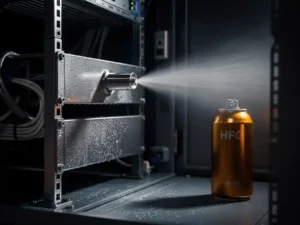
Inert gas vs. HFC suppression: discover which system truly protects sensitive electronics without residue, regulatory risk, or environmental harm.

Some fire suppression agents carry a GWP 3,500× higher than CO₂ — discover smarter, greener alternatives.

Fire suppression systems directly affect LEED, BREEAM, and WELL credits — discover which agents qualify and why.
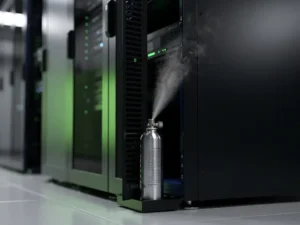
PFAS bans and equipment damage risks are pushing data centers toward nitrogen-based green fire suppression. Here's why.
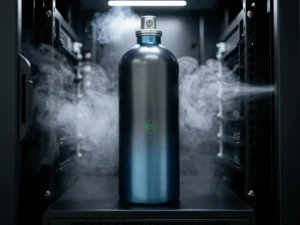
PFAS bans are reshaping EU fire suppression in 2026 — find out which compliant alternatives protect your assets without compromise.
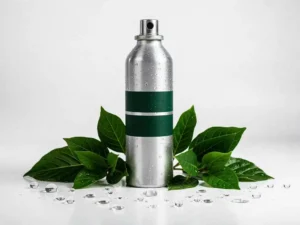
PFAS bans are accelerating — discover which fire suppression agents replace fluorinated systems and why nitrogen leads.
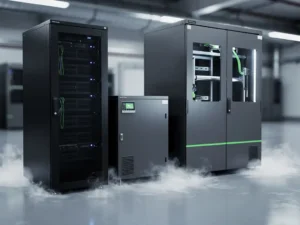
Data centers, BESS, and manufacturers face unique fire risks — discover which industries gain most from sustainable suppression.